Hey there, eco-warriors and curious cats! Ever flicked on a light and wondered where that electricity *really* comes from? Well, let's dive into the world of hydroelectric power! We’re going to explore its impact on our planet, and trust me, it's not all dams and dry humor (although, a little dam humor is always appreciated, right?).
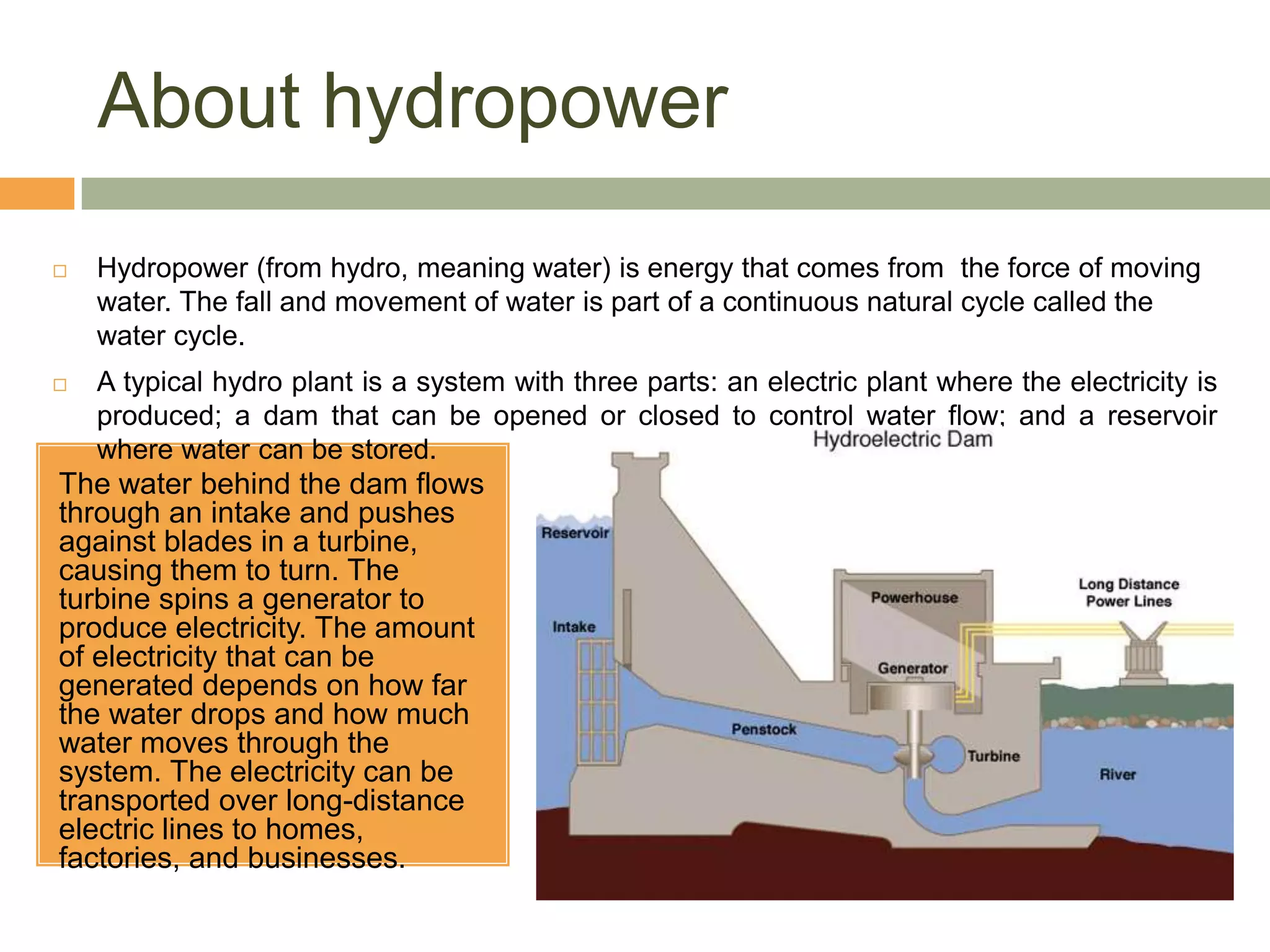
Hydroelectric power, or hydropower, is basically using the force of water to spin turbines and generate electricity. Think of it as a giant, water-powered pinwheel. Sounds pretty cool, huh? Now, before you picture idyllic waterfalls powering your entire neighborhood, let’s get real about the environmental impacts. Because, you know, everything has a trade-off.
Dams: The Good, the Bad, and the Fishy
Dams are the big kahunas of hydropower. They create reservoirs, which are those big lakes you see behind them. On the plus side, these reservoirs can provide reliable sources of drinking water, recreational opportunities like boating and fishing (score!), and even help control floods. So far, so good!
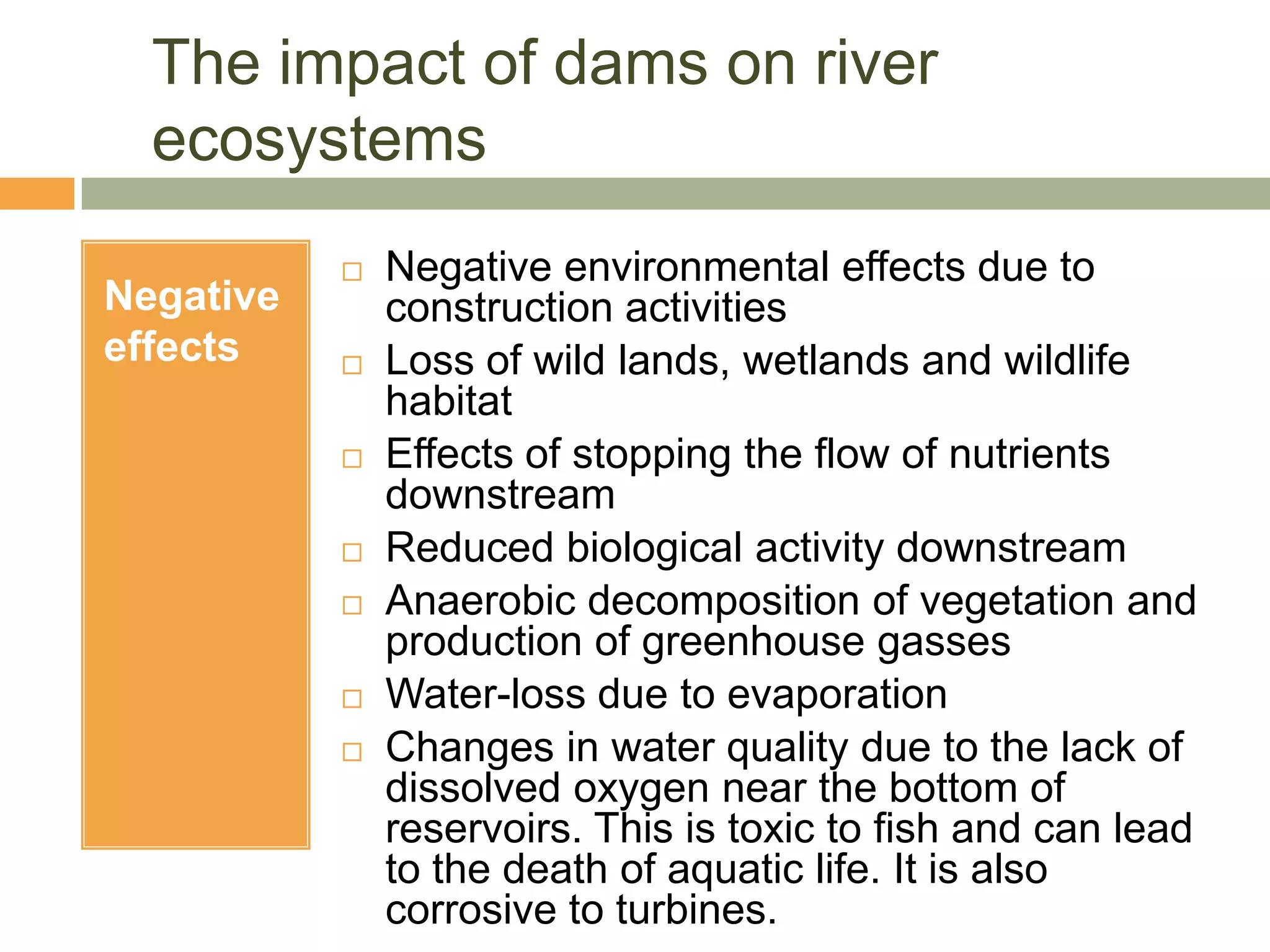
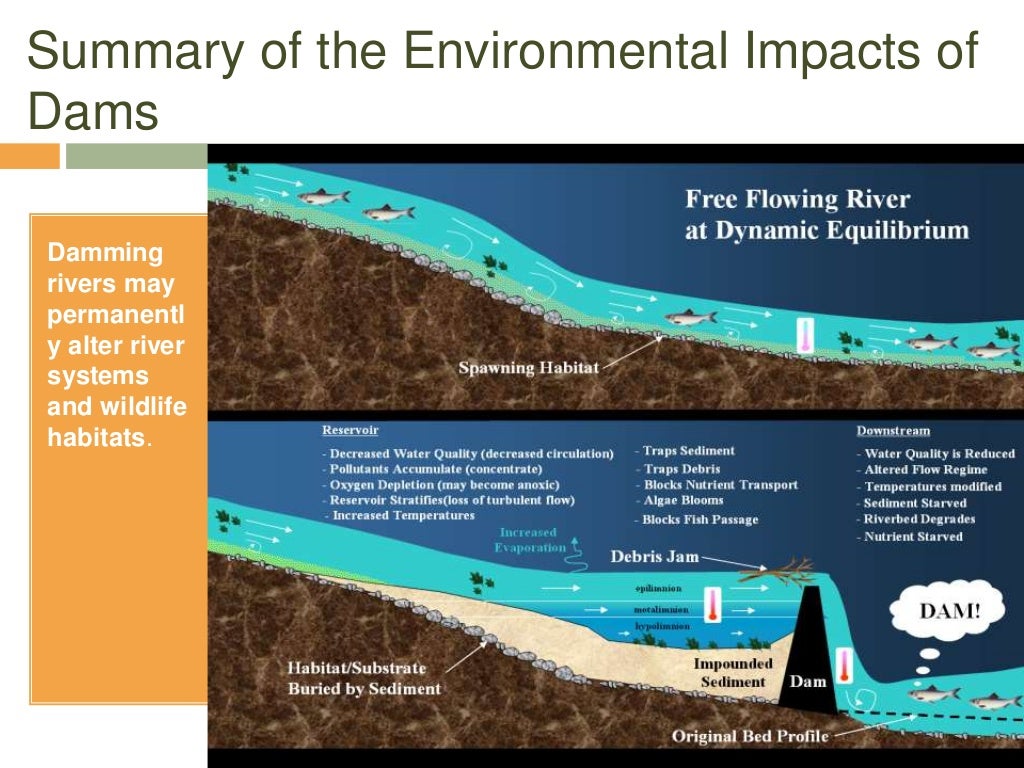
But… (you knew there was a "but" coming, didn't you?) …building a dam is a major undertaking. It can lead to significant environmental changes. Imagine flooding a valley. Trees? Gone. Animal habitats? Disrupted. Entire ecosystems? Transformed. It's a big deal. Think of it like rearranging your living room, but on a geological scale. Dramatic, right?
Then there’s the issue of sediment. Rivers naturally carry sediment downstream, which nourishes deltas, coastlines, and farmlands. Dams trap that sediment, preventing it from reaching where it's needed. This can lead to coastal erosion and reduced fertility in downstream areas. Who knew dirt could be so important?!
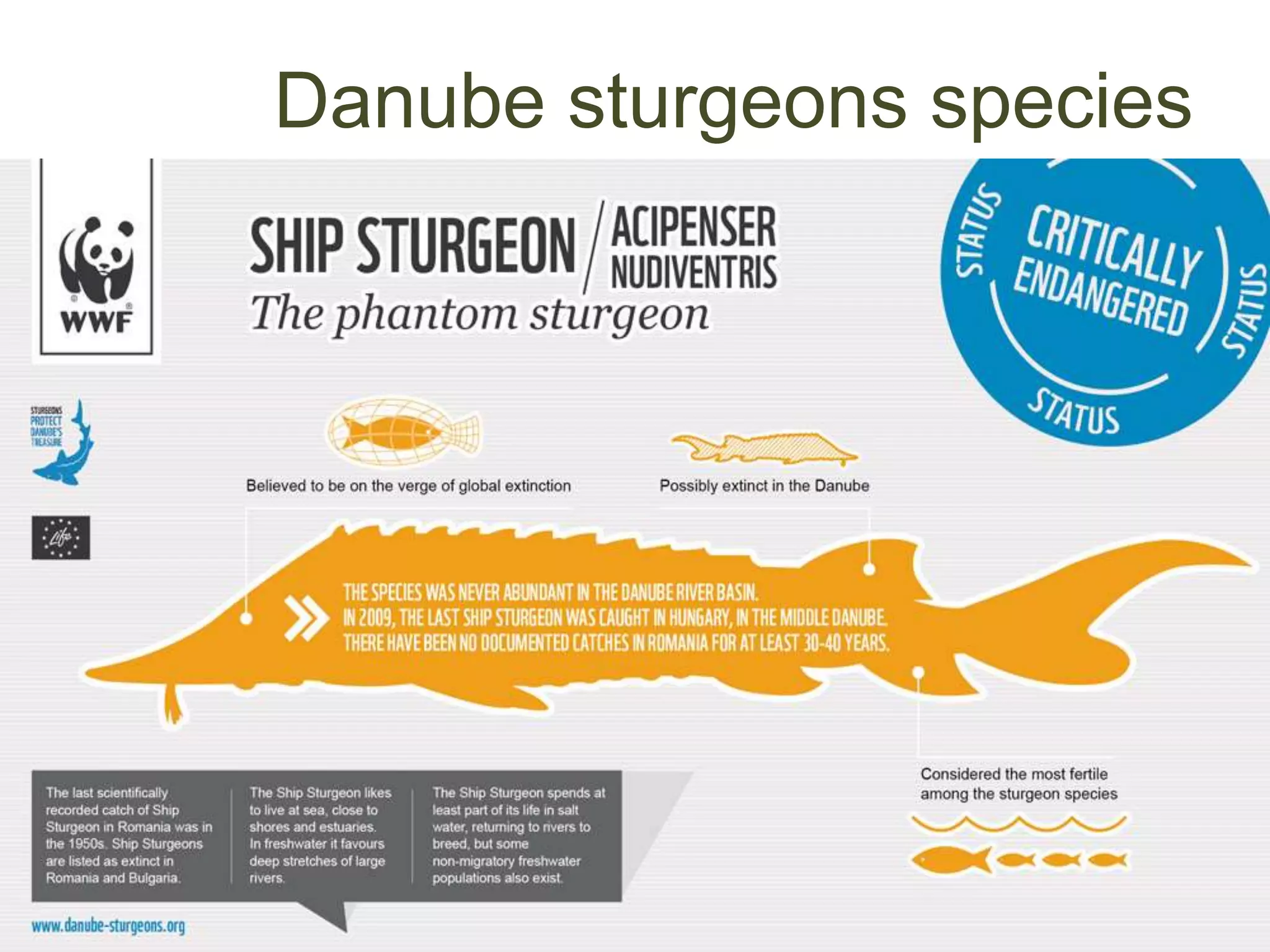
And let's not forget our finned friends! Fish passage is a huge concern. Dams can block migratory routes for fish like salmon, preventing them from spawning and completing their life cycle. Imagine trying to get home, but there's a giant wall in your way! Luckily, there are solutions like fish ladders and bypass channels, which help fish navigate around the dams. It's like building tiny water-based highways just for them. Neat!
Greenhouse Gases: A Surprising Twist
You might be thinking, "Hydropower is clean! It's just water!" And you're partially right. Hydropower doesn't directly emit greenhouse gases like fossil fuel power plants do. But here’s the thing: reservoirs can release greenhouse gases, particularly methane, which is a potent greenhouse gas. This happens when organic matter decomposes underwater in the absence of oxygen. It's like a swampy, underwater compost pile releasing gas. Not the best image, I know!
The amount of greenhouse gas emissions from reservoirs varies widely depending on factors like the climate, vegetation, and the age of the reservoir. Some reservoirs emit very little, while others can emit quite a bit. Scientists are still studying this to get a better handle on the overall impact.
The Upsides: Why Hydropower Still Matters
Despite these environmental challenges, hydropower has some serious advantages. It's a renewable energy source, meaning we’re not depleting finite resources like oil or coal. Once a dam is built, the fuel (water) is essentially free. And hello, energy independence!
Hydropower is also incredibly reliable. Unlike solar and wind power, which depend on the weather, hydropower can generate electricity 24/7, as long as there's water in the reservoir. This makes it a valuable asset for grid stability.
Furthermore, hydropower plants can be ramped up or down quickly to meet changing electricity demands. This is a huge advantage compared to other types of power plants, which can take hours or even days to adjust their output. Think of it as having a super-responsive volume knob for the power grid!
The Future of Hydropower: Innovation and Sustainability
So, what does the future hold for hydropower? Well, it's not all about building massive new dams. There's a growing focus on retrofitting existing dams with fish passage facilities, improving water quality, and minimizing greenhouse gas emissions. We're learning from our past mistakes and striving to make hydropower more sustainable.
There's also a lot of exciting research happening on new hydropower technologies, such as run-of-river hydropower, which generates electricity from flowing water without creating large reservoirs. It's a less invasive way to harness the power of water, and it's gaining traction around the world.
Small-scale hydropower is also becoming increasingly popular, particularly in remote areas where it can provide clean, reliable electricity without the need for extensive infrastructure. It's like having your own mini power plant, powered by the natural flow of a stream!
Ultimately, understanding the environmental impacts of hydropower is crucial for making informed decisions about our energy future. It's a balancing act, weighing the benefits of clean electricity against the potential environmental consequences.
So, there you have it! A whirlwind tour of the environmental impacts of hydropower. Now you're armed with some knowledge to impress your friends at your next dinner party (or at least have something interesting to ponder while you're waiting in line at the coffee shop). The world of energy is complex and fascinating, and the more we learn, the better we can shape a sustainable future. Go forth and explore! Dig deeper! Your journey has just begun.