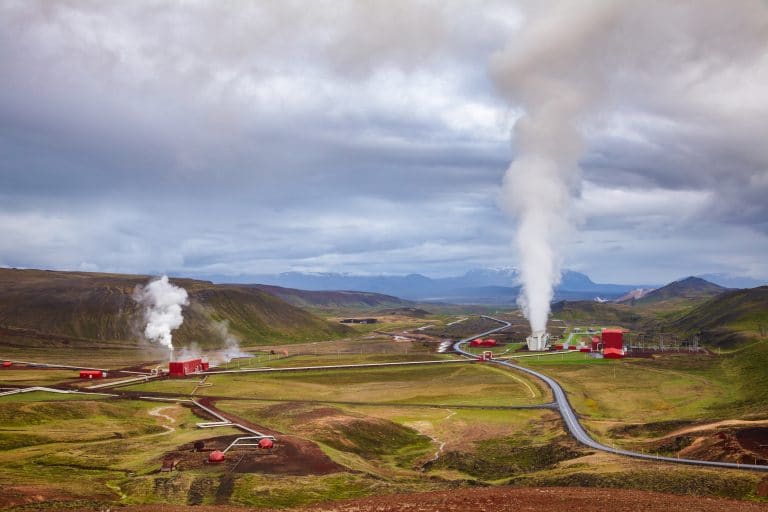
Okay, so you're thinking about geothermal energy. Good on ya! It's like tapping into the Earth's own giant, warm blanket. But before we all jump for joy and start picturing a world powered by happy, steaming volcanoes, let's have a real talk. What's the deal with geothermal and the environment? Does it have downsides? Let's dive in, shall we?
Think of it like this: geothermal is like that *really* cool uncle who always brings the awesome presents. But even Uncle Geothermal has a few quirks, right?
Land Use: Sharing is Caring (Maybe)
First up, land. Geothermal plants aren't exactly shy. They need space for the power plant itself, the wells to tap into the heat, and the pipelines to move all that steamy goodness around. It's a bit like needing a *massive* parking spot just to parallel park your tiny Smart Car.
And sometimes, that land might be home to some pretty important stuff – like forests, wildlife, or even your favorite hiking trail. So, careful planning is key to minimize the footprint and keep everyone happy. Basically, we need to make sure we're not kicking the squirrels out of their treehouse just to power our toasters.
Earthquakes: Shake, Rattle, and (Hopefully Not) Roll
Now, this one sounds scary, but let's keep it real. Geothermal *can* sometimes be linked to small earthquakes. We're talking, “did the dog just shake himself really hard?” kind of earthquakes, not “run for your lives, the building is collapsing!” kind of earthquakes.
The process of injecting water back into the earth after it’s been used can sometimes lubricate faults, making them slip a little. It’s like adding too much oil to a creaky door hinge. A little lubrication is good, a *lot* can cause a wobble. But, with careful monitoring and responsible operation, the risk can be seriously minimized. It’s all about being a good earth-neighbor, ya know?
Emissions: Not Zero, But Pretty Darn Close
Okay, so geothermal isn't *perfectly* emission-free. There are trace amounts of greenhouse gasses, like carbon dioxide and hydrogen sulfide (that rotten-egg smell!), that can be released from geothermal reservoirs. It’s like, you try to bake a perfect cake, but sometimes a *tiny* bit of flour gets on the counter.
But here’s the kicker: compared to fossil fuels like coal and gas, geothermal's emissions are *way, way* lower. We're talking a fraction of the pollution. So, it’s a significant improvement, making it a much greener option overall. Think of it as trading your gas-guzzling monster truck for a sleek, fuel-efficient hybrid.
Water Use: Conserving Our Precious H2O
Water is essential for geothermal power. We need it to carry the heat from deep underground to the surface. Some geothermal plants use a closed-loop system, where the water is continuously recycled. That’s like re-using your bathwater... okay, maybe not *that* extreme, but you get the idea! Minimal waste.
However, some older plants might use more water, which can be a concern in arid regions. It's crucial to manage water resources wisely and ensure that geothermal development doesn't strain local water supplies. We don't want to end up like those folks in the desert movies, fighting over every last drop!
The Big Picture: Weighing the Pros and Cons
So, is geothermal perfect? Nope. But is it a *way* better alternative to fossil fuels? Absolutely! It's a renewable energy source that can provide a reliable, baseload power supply (meaning it's always on, unlike solar and wind, which are a bit more…fickle).
Like any technology, geothermal has its environmental impacts, but with careful planning, responsible operation, and ongoing innovation, we can minimize those impacts and harness the Earth's natural heat to power our lives in a more sustainable way. It’s about finding that sweet spot where we get clean energy *without* upsetting Mother Nature too much. It's a balancing act, for sure, but one worth striving for.
Think of it this way: Geothermal is like adopting a rescue dog. They might come with a few quirks and need some extra care, but the love and companionship they provide are well worth the effort.