Okay, let's talk about oil. You know, that black gold that fuels our cars, heats our homes, and basically keeps our world spinning? We love it! But like that friend who always forgets to return your Tupperware, oil has its downsides.
The Pesky Pollution Problem
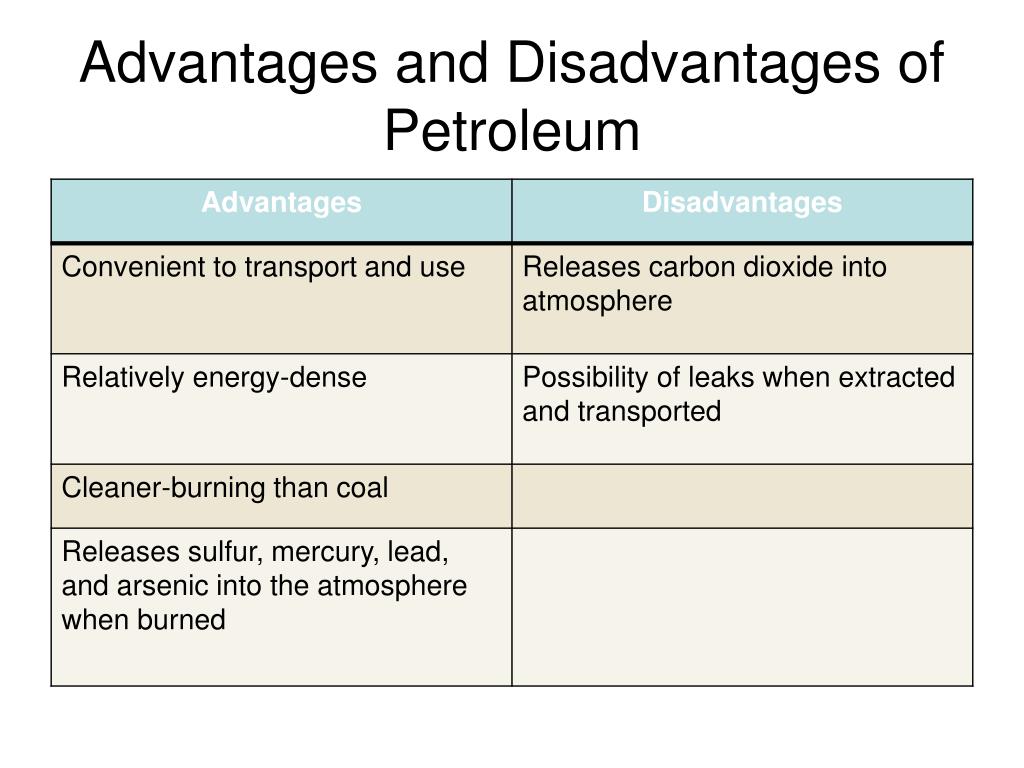
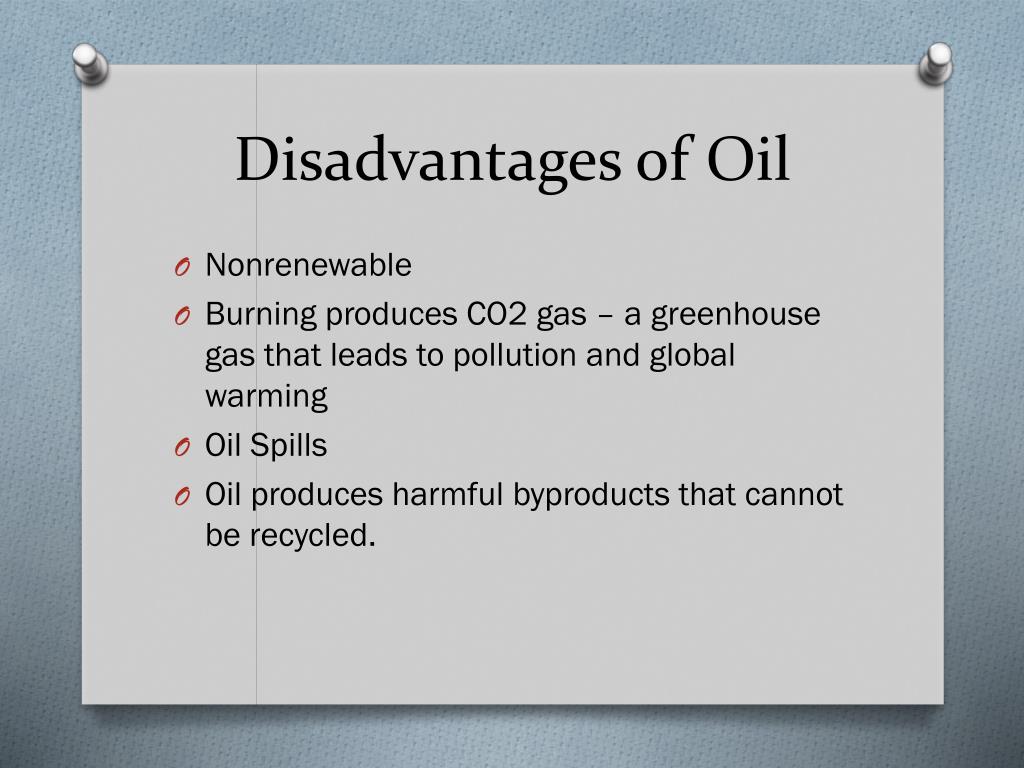
First up, let's address the elephant in the room: pollution. Burning oil releases all sorts of gases into the atmosphere. These gases, like carbon dioxide, are major contributors to climate change.
Think of it like this: Your car is happily humming along, but its exhaust is leaving a trail of tiny gremlins who are slowly turning up the Earth's thermostat. Not ideal for polar bears or beach vacations, right?
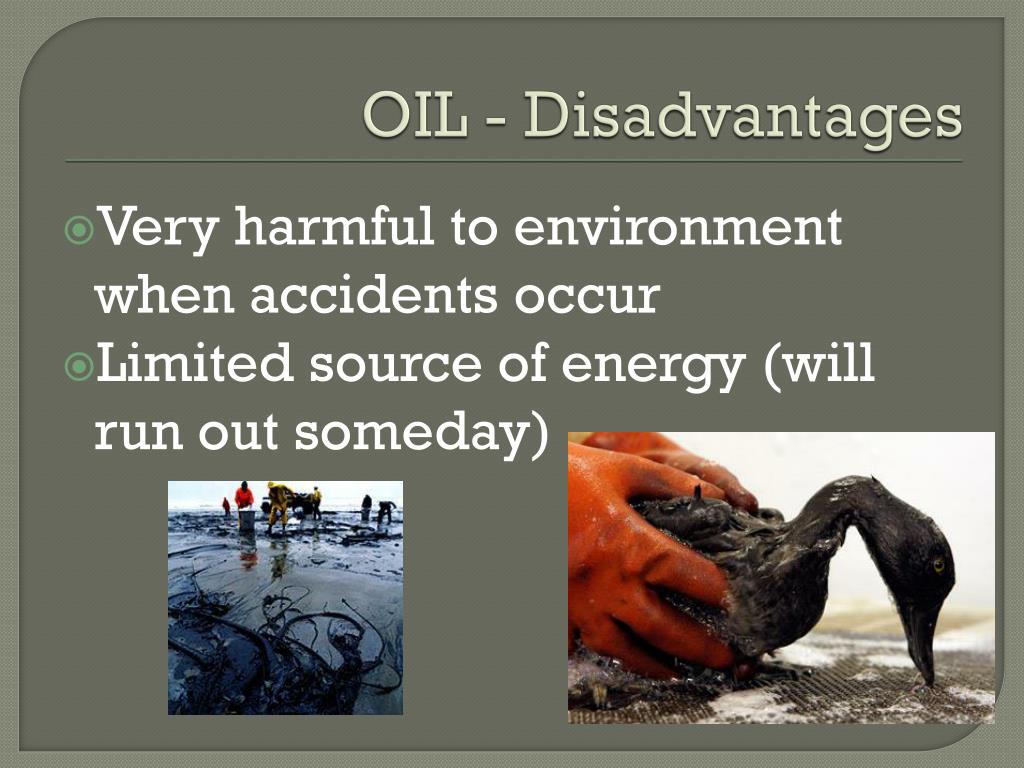
And it's not just the air! Oil spills are a HUGE problem. Remember those heartbreaking images of oil-soaked birds after the Deepwater Horizon disaster? Absolutely gut-wrenching.
It's like accidentally dropping a giant ink bottle into the ocean. It messes everything up, and cleaning it up is a nightmare.
Our Rollercoaster Ride with Oil Prices
Ever noticed how gas prices are more unpredictable than a toddler on a sugar rush? One day it's "Yippee, road trip!", the next it's "Ugh, guess I'm biking to work." That's oil for you.
The price of oil is determined by a whole bunch of factors, from global demand to political instability. It can feel like you're on a rollercoaster, strapped into your gas tank, with no idea where it's going next.
This price volatility can really impact our wallets. Suddenly, heating our homes becomes a luxury, and that dream vacation seems a little further away.
The Geopolitical Game of Thrones
Oil is often found in politically unstable regions. This means that access to oil can become a source of conflict and tension. Think of it as a global game of Risk, but instead of armies, it's all about pipelines.
This dependence on certain regions can make countries vulnerable to supply disruptions. Imagine running out of coffee in the morning, but on a global scale. Not fun.
It's a complex web of international relations, where oil is a major player. And sometimes, it's not a pretty game.
The Boom and Bust Cycle
Oil extraction can be a boom-and-bust industry. When prices are high, everyone's scrambling to drill, leading to economic prosperity in oil-producing regions.
But when prices plummet, those same regions can face economic hardship. It's like a small town betting its entire future on a single roulette spin.
This creates an unstable economic environment, where communities are constantly riding the waves of oil prices. It’s hard to plan for the future when you don't know if the party will keep going.
The Limited Supply Situation
Here's the kicker: oil is a finite resource. We can't just keep pumping it out of the ground forever. Eventually, we're going to run out.
It's like having a giant chocolate cake that you're constantly devouring. Eventually, the cake will be gone. Then what?
This looming scarcity is a major challenge. We need to find alternative energy sources before we're left with crumbs.
Habitat Havoc
Oil extraction can wreak havoc on natural habitats. Building pipelines, drilling wells, and transporting oil can destroy forests, wetlands, and other sensitive ecosystems.
Imagine trying to build a highway through your backyard. It wouldn't be pretty, would it? The same goes for the animals and plants whose homes are disrupted by oil development.
We need to be mindful of the environmental impact of oil extraction and strive to minimize the damage.
The Alternative Energy Oasis
The good news is that there are alternatives! Solar power, wind energy, geothermal energy – the list goes on. These renewable sources are becoming more affordable and efficient all the time.
Think of it as planting a garden instead of relying on a grocery store. It takes effort, but it's sustainable and good for the environment.
Investing in these alternatives is crucial for a cleaner, more sustainable future. It's like trading in your gas-guzzling monster truck for a sleek electric car. Better for the planet, and maybe even cooler.
The Conclusion: Oil's Imperfect Legacy
So, there you have it. Oil is a powerful resource that has shaped our world in countless ways. But it also comes with a hefty price tag.
From pollution and price volatility to geopolitical tensions and habitat destruction, the disadvantages of oil are undeniable.
But let's not despair! By embracing alternative energy sources and making conscious choices about our energy consumption, we can create a future that is both prosperous and sustainable. Let's aim for a future where we treat oil not as a lifeline, but as a relic of the past, like a landline phone or dial-up internet.
That’s it!