Ever wondered what keeps your home cozy in winter or powers the bus you take to work? Chances are, natural gas plays a pretty significant role. It's a topic that might seem a bit dry at first, but understanding natural gas – what it is, how we use it, and its ups and downs – is actually quite fascinating and incredibly relevant to our everyday lives and the future of our planet. So, let's dive in with a curious mind and explore the world of this powerful resource.
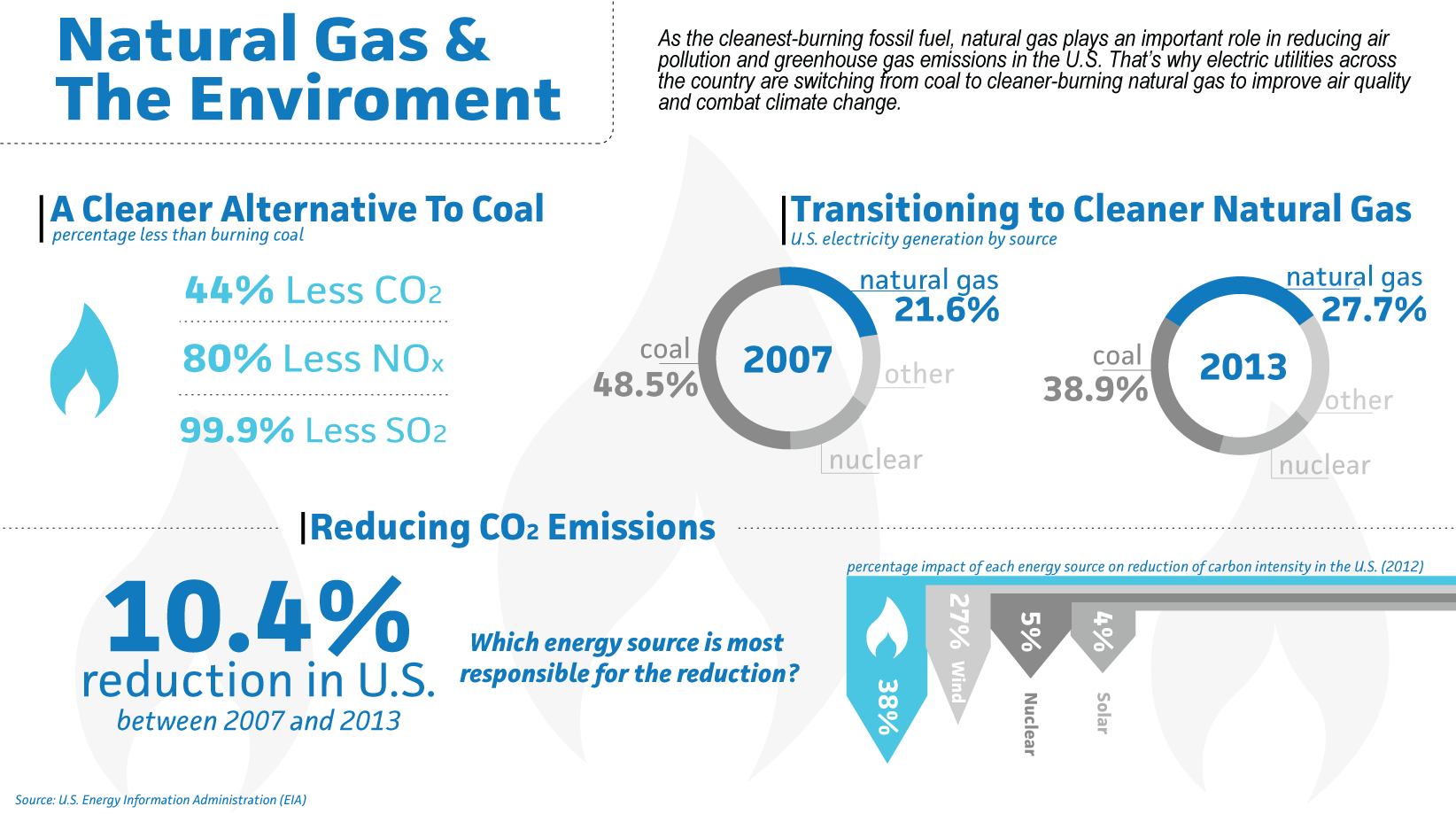
At its core, natural gas is a fossil fuel, primarily composed of methane. Think of it as a stored form of energy, trapped underground for millions of years. We extract it and use it to generate electricity, heat our homes, and even power vehicles. One of the biggest benefits of natural gas is its efficiency. It burns cleaner than other fossil fuels like coal and oil, producing fewer harmful emissions like sulfur dioxide and particulate matter. This translates to cleaner air and a potentially smaller impact on our health and the environment. Plus, it's relatively abundant in many parts of the world, making it a reliable energy source.
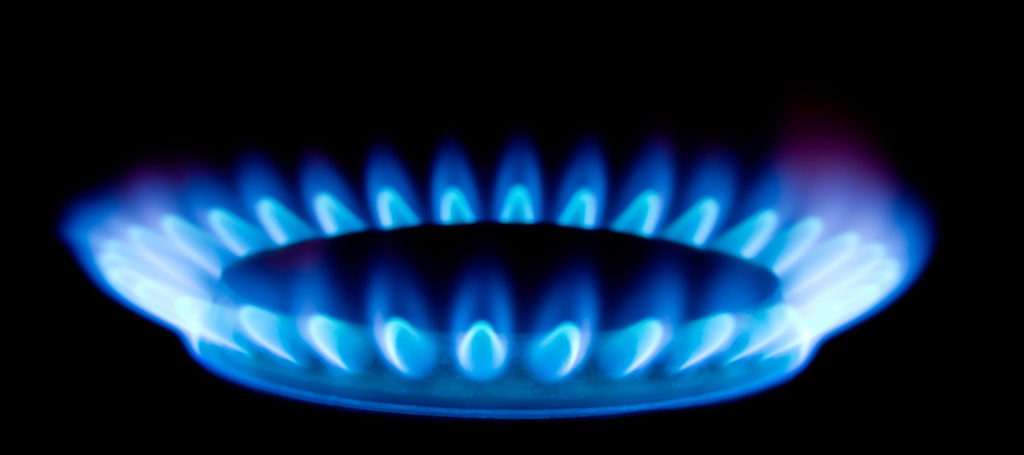
You probably encounter natural gas in your daily life without even realizing it. Think about the gas stove you use to cook dinner – that's natural gas at work! Many homes and schools use natural gas furnaces to provide warmth during the colder months. In some cities, buses run on compressed natural gas (CNG), contributing to reduced air pollution. Even in education, natural gas plays a part. Science classes often use natural gas demonstrations to teach about combustion, energy transfer, and chemical reactions. It's a tangible example of scientific principles in action.
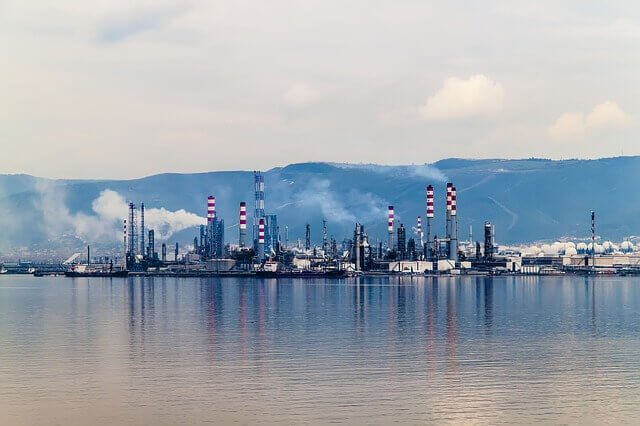
However, it’s not all sunshine and rainbows. While cleaner than other fossil fuels, natural gas still produces greenhouse gases, contributing to climate change. Methane, the primary component, is a particularly potent greenhouse gas, and even small leaks during extraction and transportation can have a significant impact. Another disadvantage is the process of fracking, used to extract natural gas from shale rock. Fracking can potentially contaminate groundwater and trigger earthquakes, raising serious environmental concerns.
Furthermore, the price of natural gas can be volatile, affecting energy bills and the cost of goods and services. Dependence on any single energy source also creates vulnerabilities to supply disruptions and geopolitical instability. Exploring alternative, renewable energy sources is crucial for a sustainable future.
So, how can you explore this topic further? Start by checking your energy bill to see where your electricity comes from. Does your city have CNG-powered vehicles? Look around! You can also find countless educational videos and articles online that explain the science and policy surrounding natural gas. A simple way to reduce your reliance on natural gas is to conserve energy at home. Turn down your thermostat in winter, use energy-efficient appliances, and insulate your home properly. Every little bit helps!
Understanding the advantages and disadvantages of natural gas is essential for making informed decisions about our energy future. It's a complex issue with no easy answers, but by staying curious and informed, we can all contribute to a more sustainable and equitable world.