Let's talk about fossil fuels! It might not sound like the most exciting topic, but understanding where our energy comes from is super important, and honestly, kind of fascinating. We use energy for everything – from charging our phones to driving our cars to keeping our homes warm. Knowing the pros and cons of fossil fuels helps us make informed decisions about our future and the future of our planet.
So, why should you care? Well, if you're a beginner just learning about energy, this is a great place to start. You'll get a basic overview of what fossil fuels are all about. For families, this discussion can spark interesting conversations about conservation and environmental responsibility. And for those who are into hobbyist projects like DIY solar panels or electric vehicles, understanding the limitations of fossil fuels can fuel your passion for alternative energy sources! Think of it like understanding the rules of the game before you try to change them.
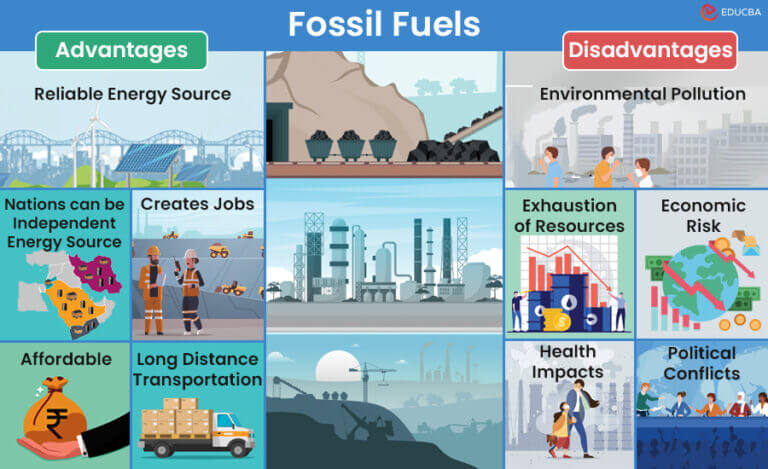
Let's dive into the advantages. The biggest one? Fossil fuels are relatively cheap and abundant (for now). This is why they've been the go-to energy source for so long. Coal, oil, and natural gas are found in many places around the world, making them accessible. They're also incredibly efficient at generating large amounts of electricity. Power plants using fossil fuels can quickly ramp up production to meet demand, ensuring a reliable energy supply. Think of a power plant churning out electricity like a reliable, if somewhat grumpy, workhorse.
But here’s the deal: there are significant disadvantages. The most pressing issue is their impact on the environment. Burning fossil fuels releases greenhouse gases, like carbon dioxide, which contribute to climate change. This leads to rising sea levels, extreme weather events, and disruptions to ecosystems. Plus, the process of extracting and transporting fossil fuels can also be damaging, causing oil spills, habitat destruction, and air pollution. Imagine a messy, polluting machine that, while powerful, leaves a big mess behind.
For example, coal is a readily available fuel source but is the dirtiest to burn. Natural gas burns cleaner than coal, making it a better option in some cases, but it still releases greenhouse gases. Oil is incredibly versatile, used for everything from gasoline to plastics, but extracting and transporting it poses risks to the environment.
So, how can you get involved? Start small! Practical tips include: reduce your energy consumption by turning off lights and unplugging electronics when not in use; consider investing in energy-efficient appliances; support renewable energy initiatives; and educate yourself and others about the importance of sustainable energy practices. Even small changes can make a big difference.
Learning about fossil fuels doesn't have to be a chore. It's about understanding the world around us and making informed choices for a better future. By weighing the advantages and disadvantages, we can all contribute to a more sustainable and energy-efficient world. It’s like being a responsible player in a crucial game, and that's pretty cool!