Imagine your favorite cookie jar. Now, imagine two types of cookie jars. One magically refills itself, always brimming with delicious treats. The other? Well, once you eat all the cookies, that’s it. Cookie sadness ensues. That, in a nutshell, is the difference between renewable and nonrenewable resources.
The Cookie Jar That Never Empties: Renewable Resources
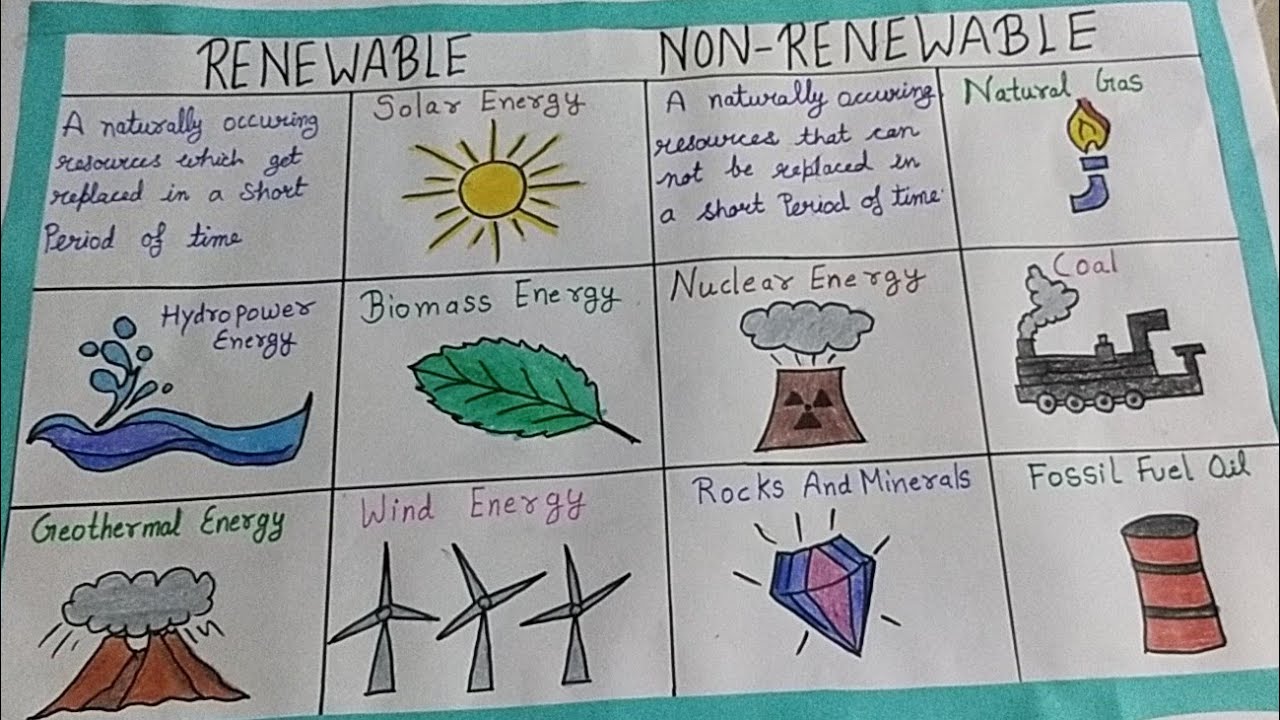
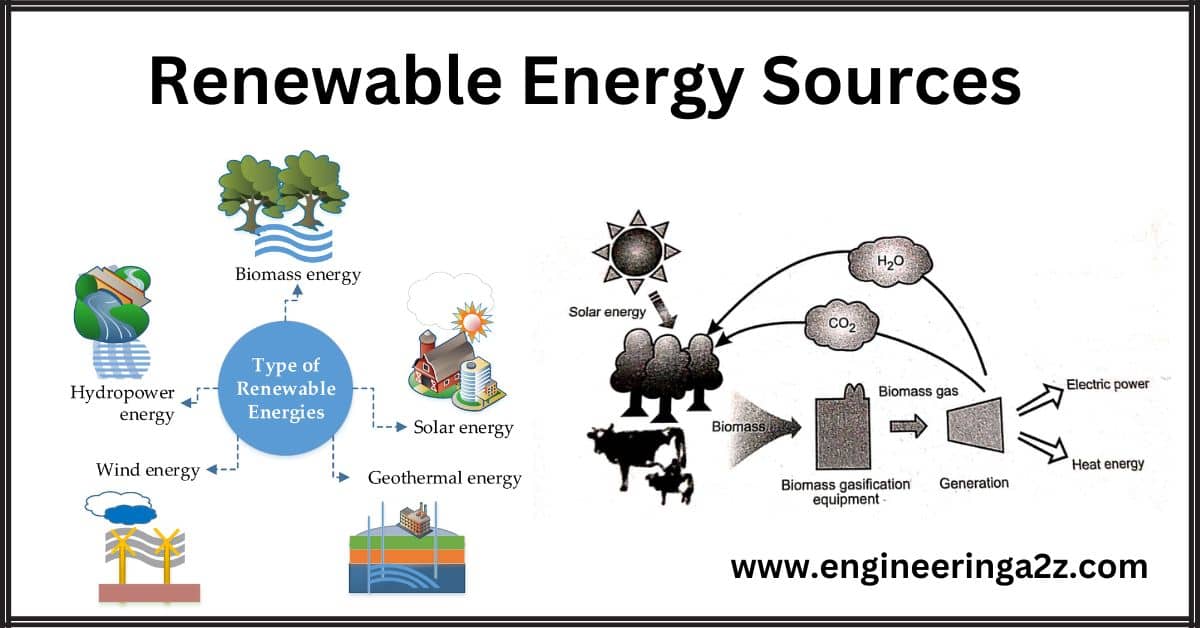
Think of renewable resources as those magical cookie jars. They replenish themselves naturally, often within a human lifetime. The sun, for example, is a giant, fiery cookie baker in the sky. Every day, it bakes up a fresh batch of solar energy, ready for us to gobble up with solar panels. We can use it and use it, and tomorrow, there will be more! Isn't that fantastic?
Wind is another renewable superhero. It's like having a giant, invisible fan blowing fresh cookies our way. Wind turbines, like giant cookie-catching windmills, spin in the breeze and generate electricity. Sure, sometimes the wind takes a day off, leaving us with fewer metaphorical wind cookies. But hey, even superheroes need a rest day!
Water is the third member of the renewable cookie crew. Rivers and lakes constantly refill thanks to the water cycle, a natural recycling system that's been going strong for billions of years. We can use hydropower to generate electricity from flowing water, like a never-ending stream of cookie dough. Though, we need to be careful to manage water responsibly, or we might accidentally eat all the cookie dough ourselves!
Geothermal energy, heat from the Earth, acts as an always warm oven. It is also a renewable resource because the Earth continues to produce more heat.
These renewable resources are like having a personal chef who bakes cookies all day long. They're cleaner, more sustainable, and ensure we never run out of metaphorical cookies to power our world.
The Cookie Jar of Finite Goodness: Nonrenewable Resources
Now, let's talk about the other cookie jar: nonrenewable resources. These are like those vintage cookie jars your grandma had, filled with delicious, but limited, cookies. Once you've eaten them all, that's the end of the cookie party. No more cookies for you!
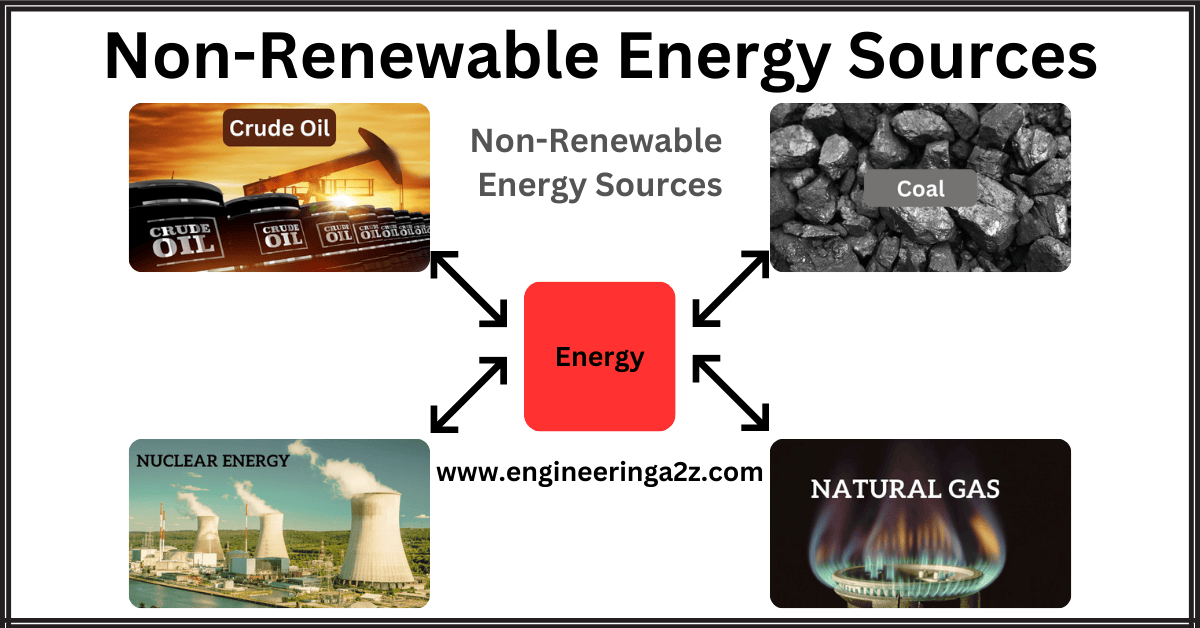
Fossil fuels – coal, oil, and natural gas – are the main culprits here. These were formed from the remains of ancient plants and animals that lived millions of years ago. Over time, these organic materials were transformed into energy-rich resources. When we burn them, we release the energy stored within, but we also release carbon dioxide into the atmosphere, like a tiny carbon monster escaping from the cookie jar. These resources are finite, meaning it takes millions of years to create. That's why they're called nonrenewable!
Think about it this way: We're using up resources that took geological timescales to form at a rate that's mind-bogglingly fast. It's like eating an entire family-size cookie jar in one sitting, leaving everyone else with crumbs. While they've powered our world for a long time, they are not sustainable long-term.
Nuclear energy uses uranium, a mineral found in the earth that is nonrenewable. While nuclear plants do not emit greenhouses gases during operation, the uranium mining is destructive to the environment.
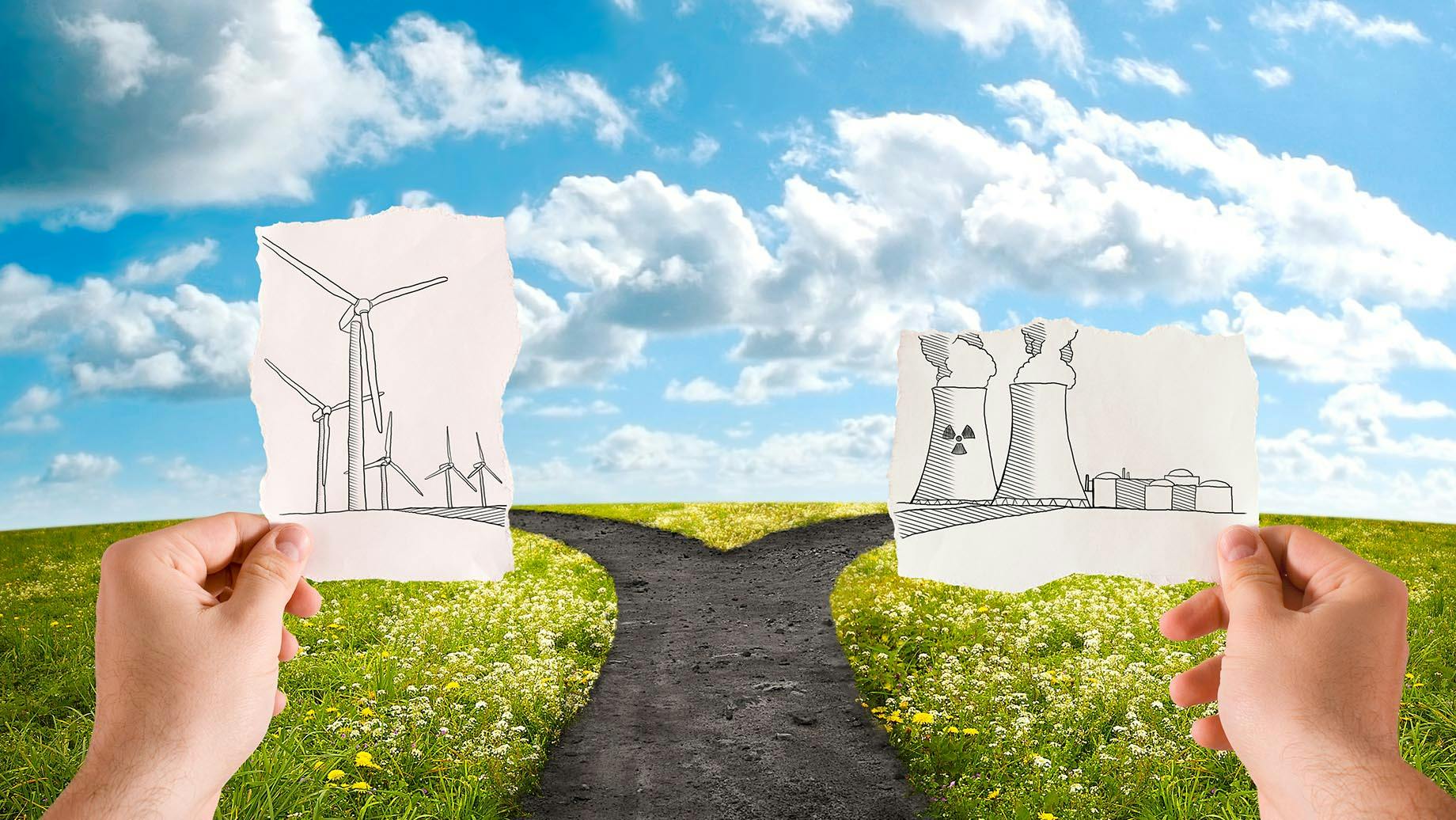
So, Which Cookie Jar Should We Choose?
The choice seems pretty clear, right? The renewable cookie jar offers a sustainable and delicious future, while the nonrenewable one threatens to leave us with a cookie-less existence. Of course, the reality is more complex. Transitioning to a fully renewable energy system requires innovation, investment, and a willingness to embrace change. But every solar panel installed, every wind turbine erected, every effort to conserve energy is a step towards a world where the cookie jar is always full.
Imagine a future powered by the sun, wind, and water – a future where we no longer rely on fossil fuels. It's a future where our children and grandchildren can enjoy the sweet taste of energy security, without worrying about running out of cookies. Isn't that a delicious thought?
So, the next time you think about energy, think about cookie jars. It's a simple way to understand the difference between renewable and nonrenewable resources and to appreciate the importance of making sustainable choices. Now, if you'll excuse me, I'm going to go check on my solar-powered cookie oven.