Okay, let's talk solar power! Sunshine turning into electricity? Sounds like magic, right? And it kind of is! But like any good magic trick, there are a few things you should know behind the curtain. Don't worry, we're not here to burst your bubble, just to give you the real deal, sprinkled with a bit of sunshine, of course!
The Initial Investment: Ouch!
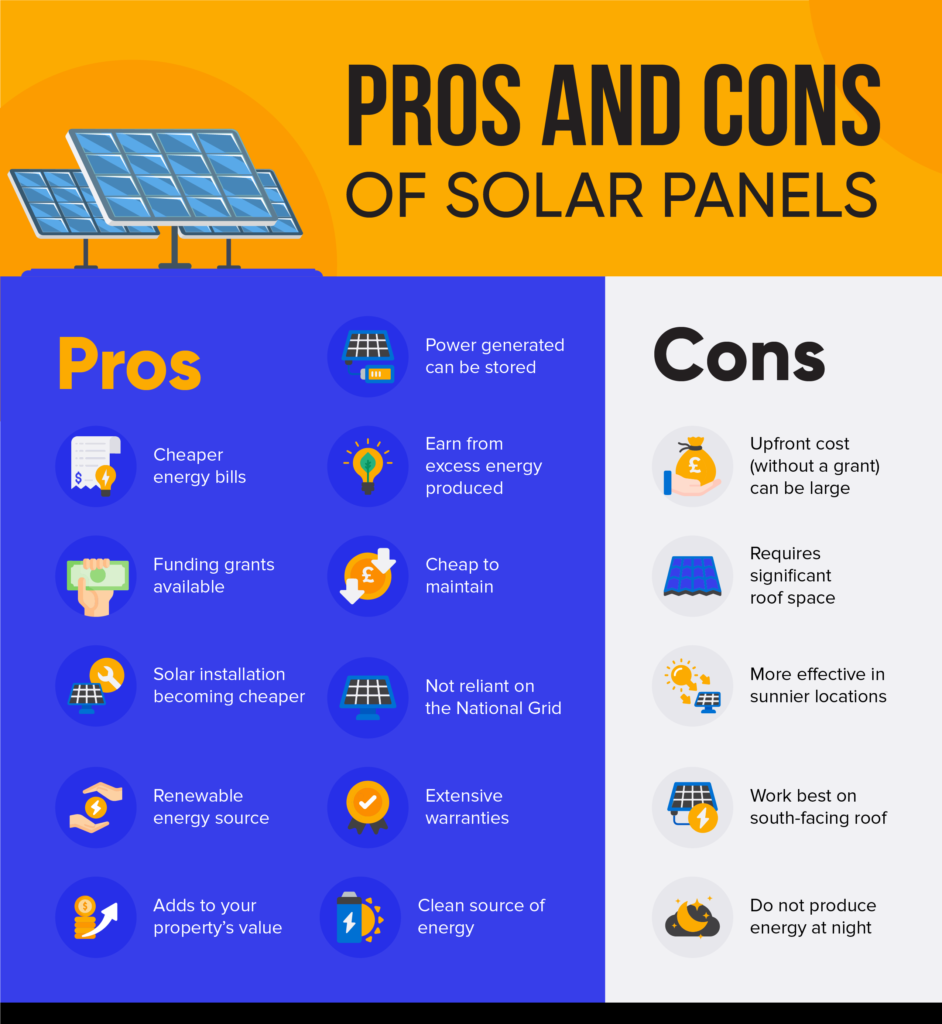
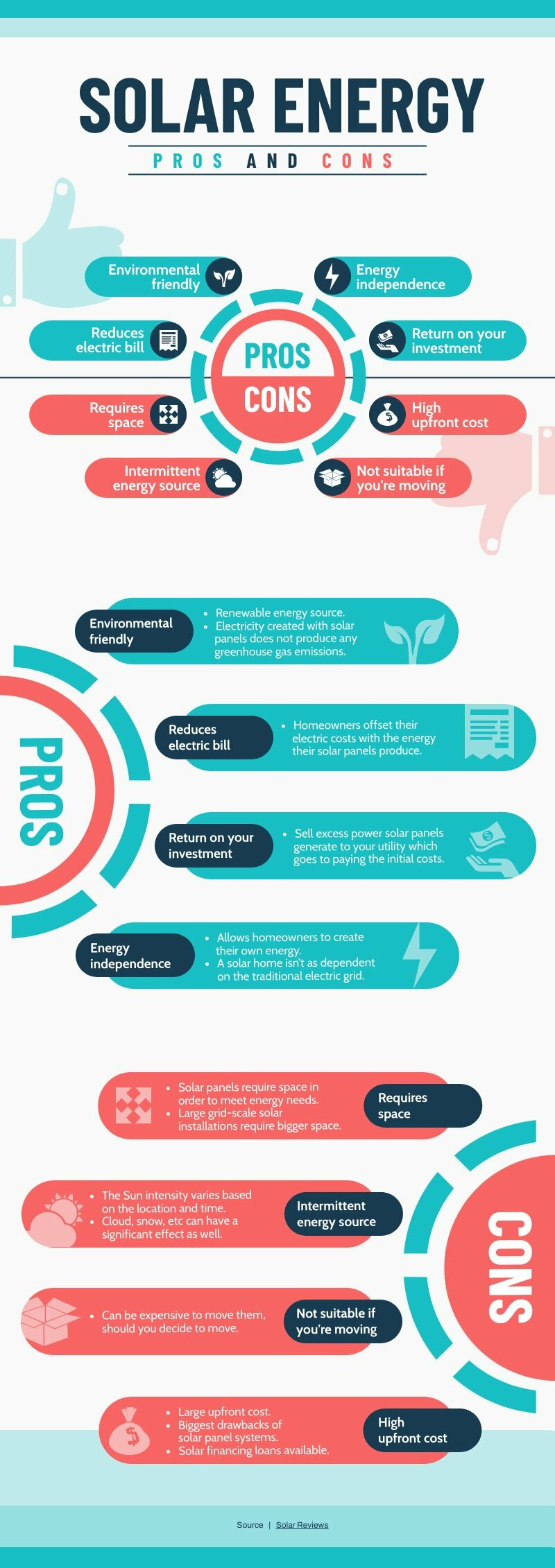
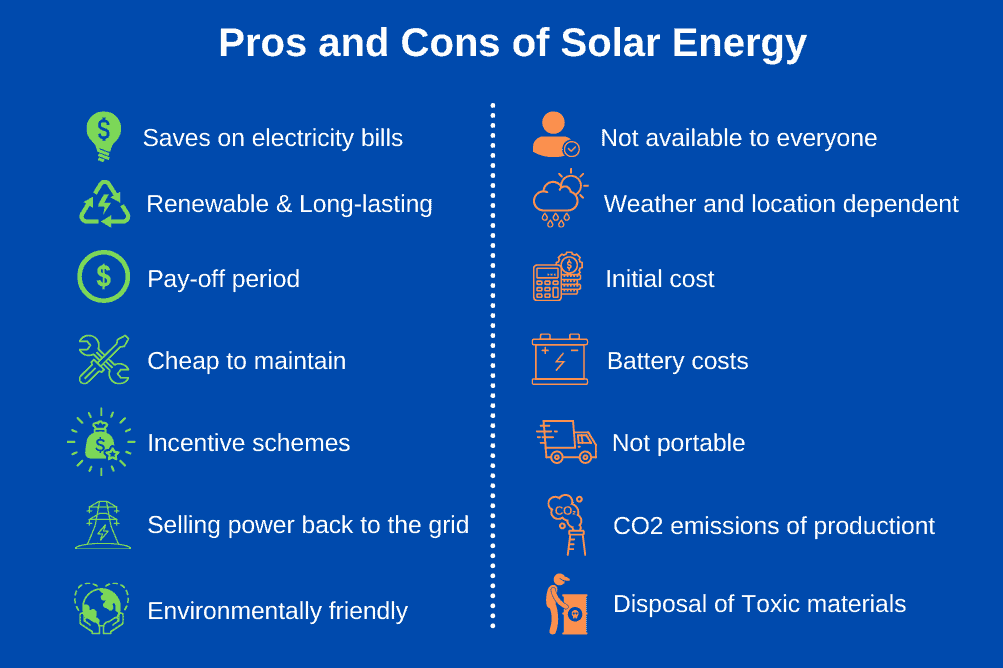
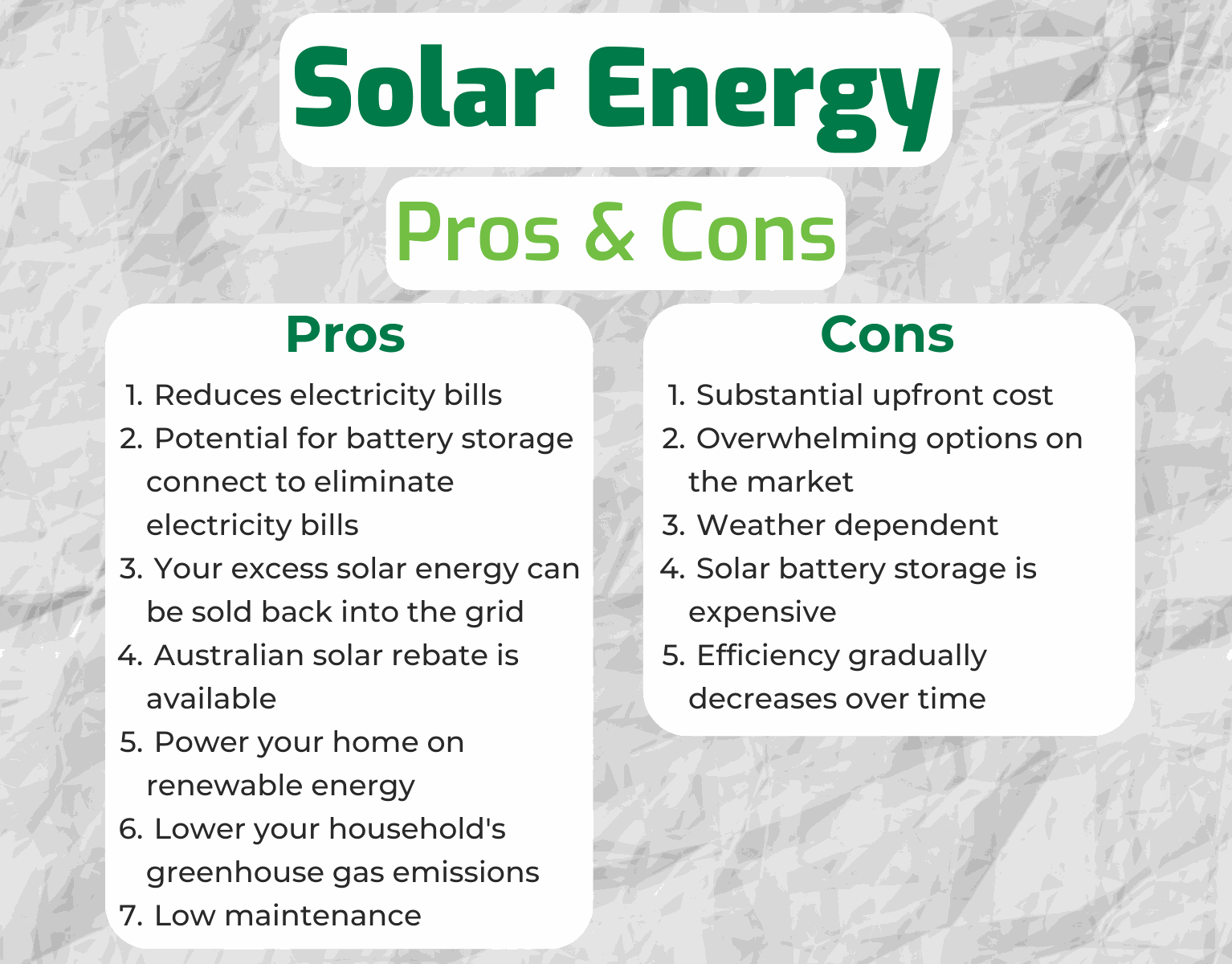
Let's be honest, the upfront cost of going solar can feel like a punch to the wallet. Solar panels aren't exactly cheap, are they? You've got the panels themselves, the inverters (those little gadgets that convert the DC electricity from the panels into AC electricity for your home), the installation… it all adds up. Think of it as a long-term investment, though! Like buying a really, really comfortable couch that also saves you money every month. Eventually, that couch pays for itself, and so will your solar panels!
And hey, look on the bright side! There are often tax credits and rebates available that can significantly reduce the initial cost. Think of it as finding a twenty dollar bill in your old jeans. Score! Do some research and see what incentives your local government or utility company offers. You might be surprised!
Sunshine and Shadows: The Weather Factor
Okay, this one's pretty obvious. Solar panels need sunlight to work. Duh! So, what happens when it's cloudy, rainy, or (gasp!) even snowy? Well, your solar panels won't be producing as much electricity. They're not exactly fans of overcast days.
This doesn't mean solar is useless in less sunny areas. Not at all! It just means you need to factor in the average amount of sunlight your area receives when designing your system. Proper planning is key! And you can always combine solar with battery storage to keep the lights on even when the sun is hiding behind a cloud. Think of it as having your own personal power bank powered by the sun. Pretty neat, huh?
Space Required: Roof Real Estate
Depending on your energy needs, you might need a fair amount of roof space to install enough solar panels. Imagine your roof covered in sleek, futuristic-looking panels! (Okay, maybe not *everyone* finds them sleek, but you get the idea.) If you have a small roof, or a roof that's shaded by trees, you might not be able to generate as much electricity as you'd like.
But don't despair! There are alternatives! You can consider community solar programs, where you subscribe to a portion of a larger solar farm and receive credits on your electricity bill. Or, if you have land, you could even install ground-mounted solar panels. The possibilities are endless!
Intermittency: The Grid Connection
Because solar power generation is intermittent (meaning it depends on the weather), you'll likely still need to be connected to the traditional electricity grid. This means that you'll still be relying on fossil fuels to some extent, especially during periods of low solar production. Think of it as having a backup plan!
However, as battery technology improves and becomes more affordable, the need for grid connection will decrease. Imagine a future where homes are completely powered by renewable energy and battery storage! We're getting there! Plus, even if you're still connected to the grid, you can often sell excess electricity back to the utility company, earning you credits on your bill. Win-win!
Panel Production and Disposal: Thinking Long-Term
Manufacturing solar panels requires energy and resources, and some of the materials used in their production can be harmful if not disposed of properly. It's important to think about the entire lifecycle of a solar panel.
Thankfully, the solar industry is becoming increasingly focused on sustainability. Many manufacturers are now using more environmentally friendly materials and processes, and there are growing efforts to develop better recycling programs for solar panels. It's all about closing the loop and minimizing the environmental impact.
And remember, solar panels have a long lifespan, typically 25-30 years or more. That's a long time to generate clean energy and save money! So, while there are some environmental considerations, the overall benefits of solar far outweigh the risks.
The Final Spark
So, there you have it! A peek behind the curtain of solar energy. Yes, there are a few potential downsides, but as you can see, they're all manageable and often outweighed by the numerous benefits. Going solar isn't just about saving money; it's about taking control of your energy future and contributing to a cleaner, more sustainable world. You’re not just powering your home; you’re powering a revolution!
Don't let these "cons" discourage you! They're more like challenges waiting to be solved. And the more people embrace solar energy, the faster we'll find solutions to these challenges. So, do your research, explore your options, and maybe, just maybe, consider joining the solar revolution! Who knows? You might just find that powering your life with sunshine is more fun than you ever imagined. Ready to shine?