Think of that warm, sunny feeling you get when stepping into a greenhouse filled with lush plants, even on a chilly day. Or maybe you’ve experienced the bliss of biting into a perfectly ripe tomato grown under glass in the middle of winter. We love greenhouses because they provide controlled environments that allow us to extend growing seasons and cultivate delicate plants that wouldn't otherwise survive in our local climate. They give us access to fresh produce year-round, making our diets more varied and nutritious. But that's just a small scale example of a much larger, global phenomenon: the greenhouse effect. But is it all good? Let's dive into what the greenhouse effect really is, what causes it, and what the consequences are for our planet.
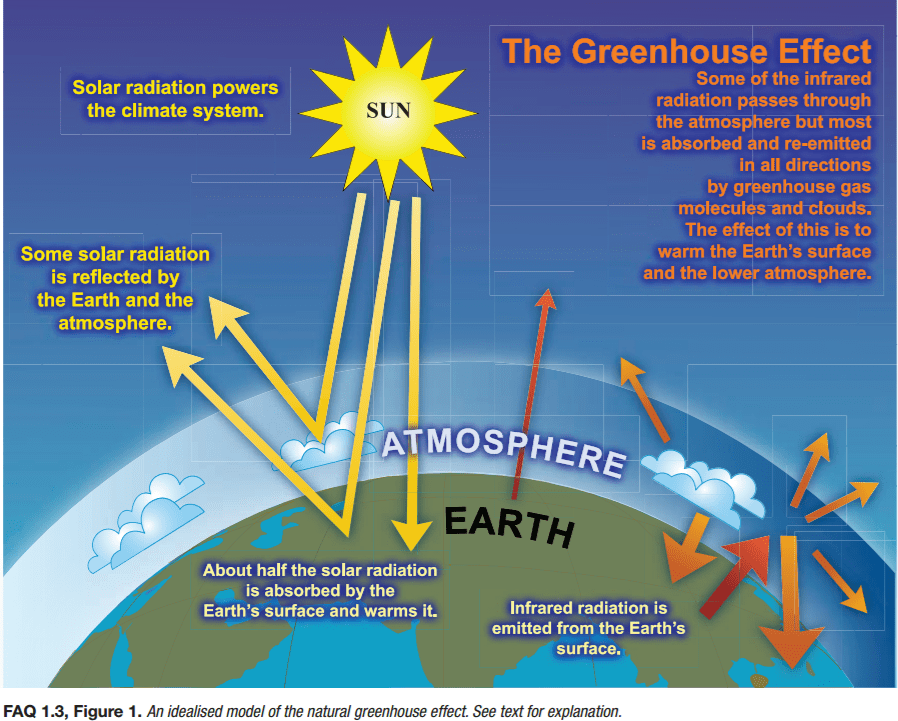
The greenhouse effect is a natural process that warms the Earth's surface. Just like the glass roof of a greenhouse traps heat inside, certain gases in our atmosphere trap heat from the sun. These gases, known as greenhouse gases, act like a blanket, preventing some of the sun's energy from escaping back into space. Without this natural greenhouse effect, the Earth would be much colder – too cold for life as we know it to exist. Imagine a world where the average temperature was below freezing – no thanks!
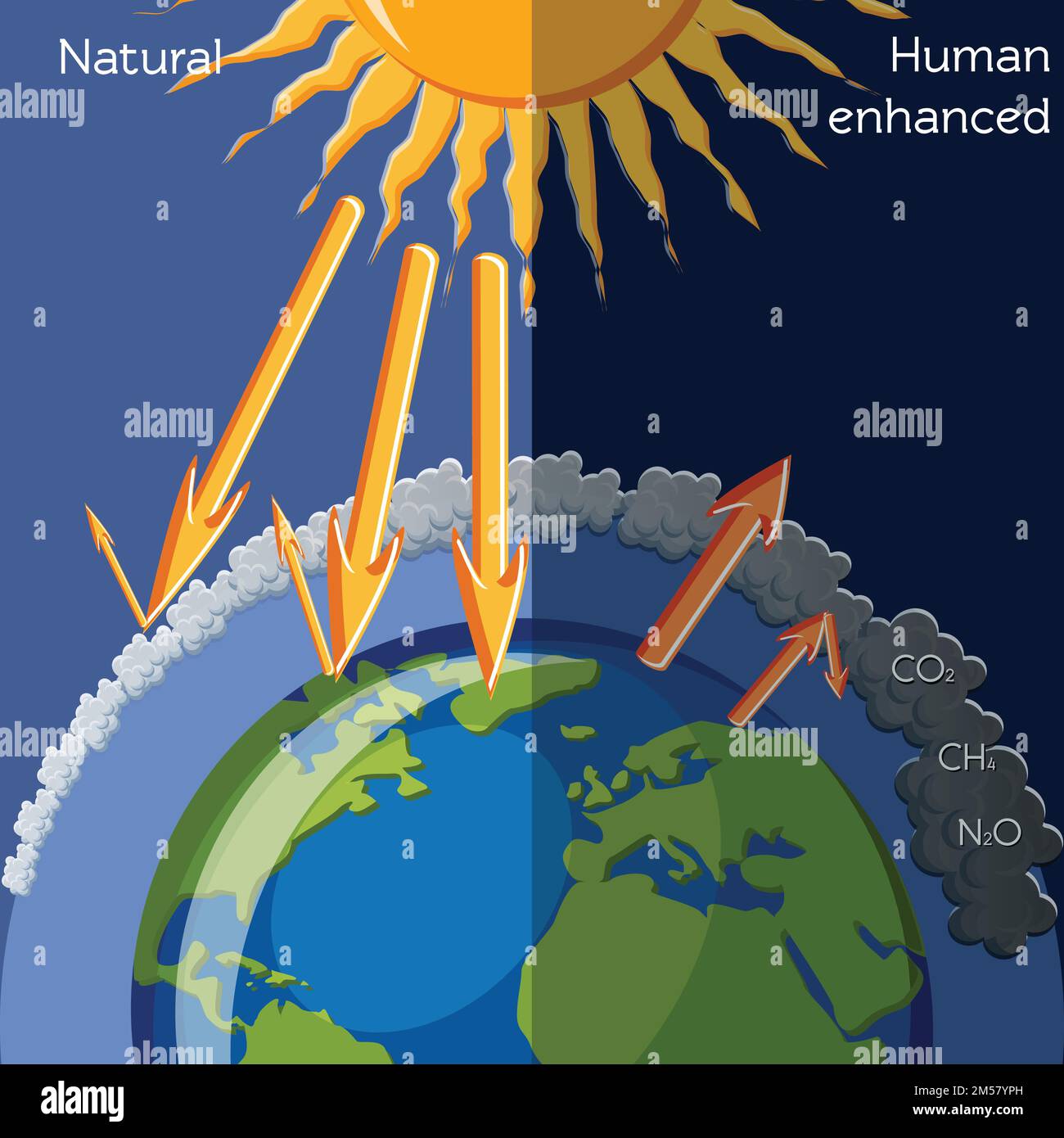
So, what are these greenhouse gases? The most significant ones include carbon dioxide (CO2), methane (CH4), nitrous oxide (N2O), and water vapor (H2O). These gases come from various sources, both natural and human-caused. Natural sources include volcanic eruptions, decomposition of organic matter, and respiration of living organisms. However, the problem we face today is that human activities are dramatically increasing the concentration of these gases in the atmosphere, leading to an enhanced, and potentially dangerous, greenhouse effect.
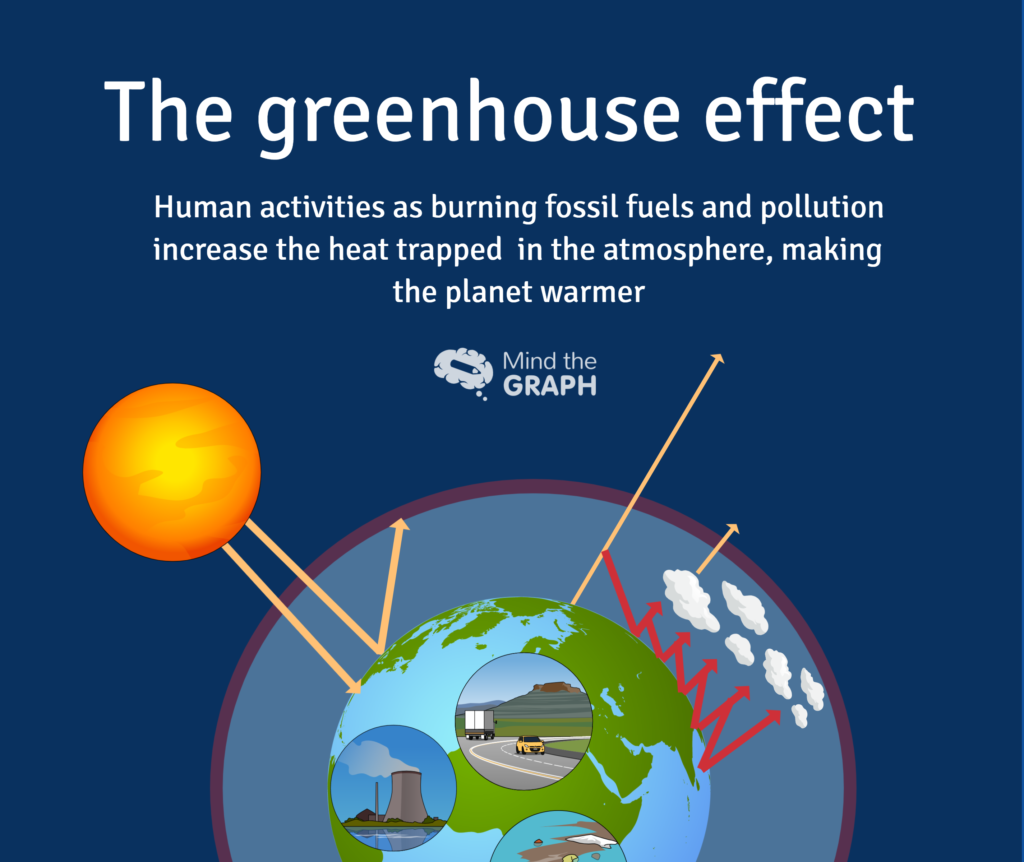
The primary culprit for this increase is the burning of fossil fuels – coal, oil, and natural gas – for energy. When we burn these fuels to power our cars, generate electricity, and run our factories, we release large amounts of CO2 into the atmosphere. Deforestation also plays a role, as trees absorb CO2, and when they are cut down, that stored carbon is released. Additionally, agricultural practices, such as the use of fertilizers and livestock farming, contribute to methane and nitrous oxide emissions.
The effects of an enhanced greenhouse effect are far-reaching. The most well-known is global warming, which refers to the gradual increase in Earth's average temperature. This warming leads to a cascade of other problems, including rising sea levels (due to melting glaciers and thermal expansion of water), more frequent and intense extreme weather events (such as heatwaves, droughts, and floods), and disruptions to ecosystems and biodiversity. Changes in weather patterns can impact agriculture, water resources, and even human health.
While the situation may seem daunting, there are many things we can do to mitigate the effects of the greenhouse effect. One of the most important steps is to reduce our reliance on fossil fuels and transition to cleaner, renewable energy sources like solar, wind, and geothermal. We can also improve energy efficiency in our homes and transportation, reduce deforestation, and adopt more sustainable agricultural practices. On a personal level, we can make choices like driving less, using public transportation, eating less meat, and reducing our overall consumption.
Think of it this way: tending to the Earth is like tending to a giant greenhouse. By understanding the principles of the greenhouse effect and taking responsible actions, we can ensure a healthy and thriving planet for ourselves and future generations. It's not just about enjoying the benefits of a controlled environment; it's about creating a sustainable and balanced ecosystem for all.