Hey there, fuel fanatics! Ever wondered about those mysterious "biofuels" everyone's buzzing about? Are they just some trendy, greenwashed gimmick, or is there actually something *cool* going on? Let's dive in and find out, shall we? Think of it as a low-key road trip into the world of renewable energy.
What's the Big Deal with Biofuels?
Okay, so what *are* biofuels anyway? Simply put, they're fuels made from renewable organic matter – plants, algae, and even…wait for it…animal waste! Think of it like this: regular gasoline is like a fossilized dinosaur, a blast from the super-distant past. Biofuel, on the other hand, is like a freshly grown tomato. One took millions of years to form, and the other is ready in a few months. Which sounds more sustainable to you?
The main types you'll hear about are ethanol (usually made from corn or sugarcane) and biodiesel (often from vegetable oils or animal fats). Ethanol is often blended with gasoline – think of it as adding a little green juice to your regular fuel. Biodiesel can sometimes power diesel engines directly, meaning you could, in theory, run your car on used french fry oil. Pretty wild, huh?
Why Should We Even Care?
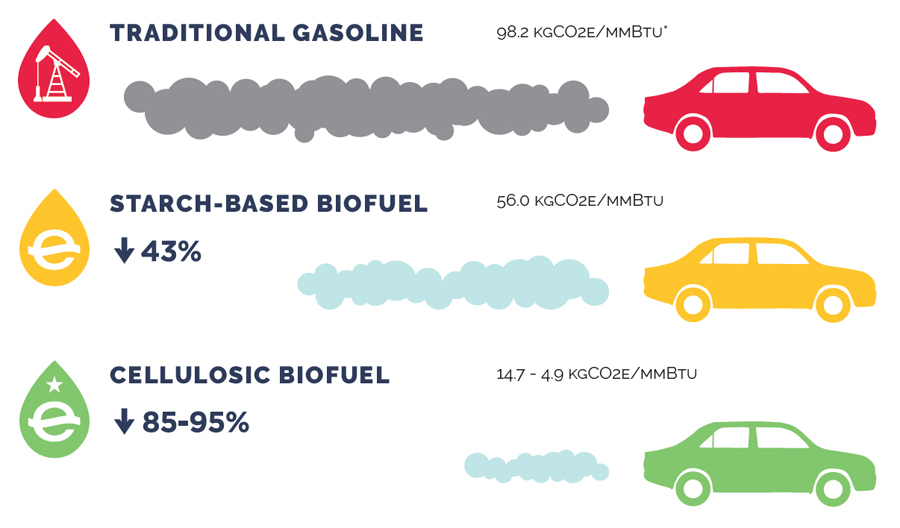
Alright, so they're made from plants…so what? Well, here's where things get interesting. The biggest potential benefit? A lower carbon footprint. Plants absorb carbon dioxide (CO2) from the atmosphere as they grow. When you burn biofuel made from those plants, you release CO2, but – and this is a big *but* – that CO2 is roughly equal to what the plants absorbed in the first place. It's like a closed-loop system! Of course, there are complexities to this (like the energy used to grow and process the plants), but the potential for reducing greenhouse gas emissions is definitely there.
Think of it like this: using fossil fuels is like withdrawing money from a bank account without ever making deposits. Eventually, the account will be empty (and in this case, the atmosphere will be overly full of CO2). Biofuels, ideally, are like a sustainable savings plan – you’re withdrawing and depositing at the same time. Sounds a lot smarter, right?
The Perks: Why Biofuels Are Actually Pretty Awesome
Let's break down some of the key benefits that make biofuels a compelling alternative to traditional fossil fuels:
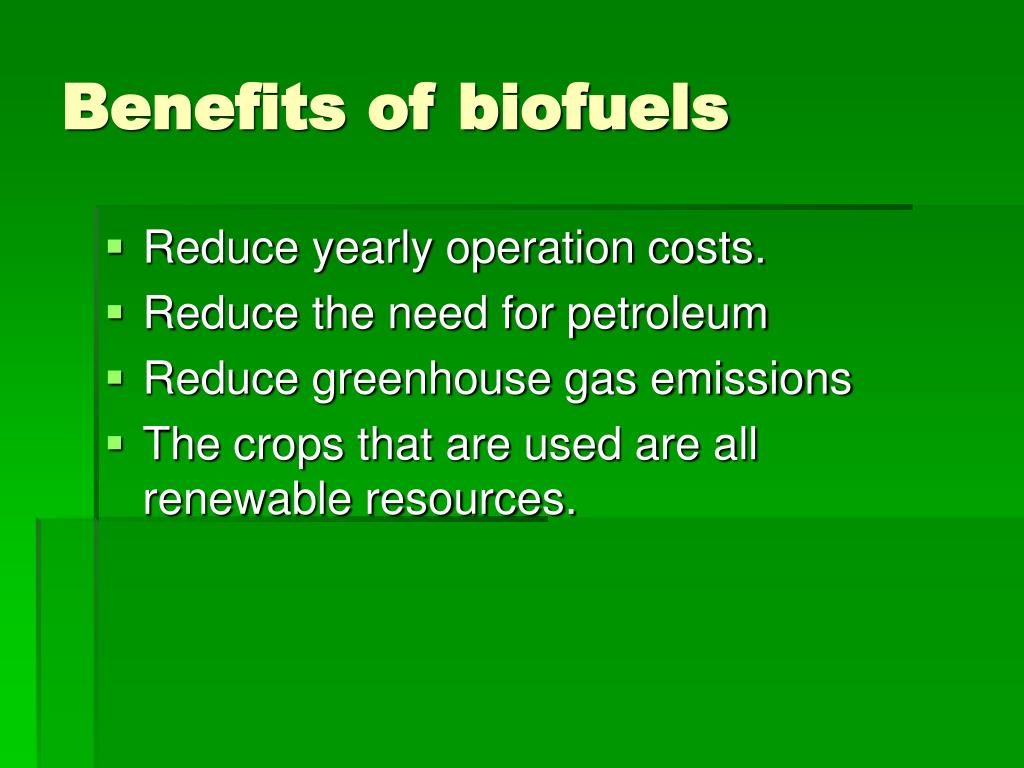
- Reduced Greenhouse Gas Emissions: As we talked about, this is the big one. Switching to biofuels can help us shrink our carbon footprint and combat climate change.
- Renewable Resource: Unlike oil, which is finite and takes millions of years to replenish, biofuels can be grown again and again. That's sustainability in action!
- Energy Security: Relying on domestic biofuel production can reduce our dependence on foreign oil, boosting our energy independence. Imagine a future where we’re less vulnerable to global oil price fluctuations. Sounds good, doesn't it?
- Rural Economic Development: Growing biofuel crops can create jobs and boost economic activity in rural communities. It's a win-win for farmers and the environment!
- Potential to Reduce Air Pollution: Some biofuels can burn cleaner than gasoline or diesel, reducing harmful air pollutants and improving air quality in our cities.
Are There Any Downsides? (Of Course There Are!)
Okay, let's be real. Biofuels aren't a perfect, magical solution. There are definitely some challenges and concerns:
- Land Use: Growing biofuel crops requires land, which could potentially compete with food production. Imagine choosing between fueling your car and feeding people. Not a great choice, right?
- Water Consumption: Some biofuel crops require significant amounts of water, which could strain water resources in certain regions.
- Energy Balance: It takes energy to grow, harvest, and process biofuel crops. If the energy output of the biofuel isn't significantly greater than the energy input, it might not be worth it.
- Deforestation: In some cases, forests have been cleared to make way for biofuel plantations, which defeats the purpose of reducing carbon emissions.
However, these challenges are being addressed through research and innovation. Scientists are working on developing more efficient biofuel crops, improving production processes, and exploring alternative feedstocks that don't compete with food production.
The Future of Biofuels: Where Are We Headed?
So, what does the future hold for biofuels? Well, it's looking pretty interesting! Scientists are exploring advanced biofuels made from algae, seaweed, and even municipal waste. These next-generation biofuels have the potential to be even more sustainable and efficient than current biofuels.
Imagine a future where we're powering our cars and planes with fuel made from ocean algae or recycled garbage. Sounds like something out of a science fiction movie, right? But it's closer than you think!
Ultimately, biofuels are just one piece of the puzzle in creating a more sustainable energy future. They're not a silver bullet, but they have the potential to play a significant role in reducing our reliance on fossil fuels and combating climate change. Keep an eye on this space – it's going to be an exciting ride!
So, what do you think? Are you ready to embrace the biofuel revolution? Or are you still a bit skeptical? Let us know in the comments below!