Let's face it, when we talk about energy, renewable sources like solar and wind power often steal the spotlight. They're the eco-friendly darlings, promising a greener future. But what about the "old guard," the non-renewable energy sources like coal, oil, and natural gas? Are they just villains in an environmental disaster movie? Not so fast! While they definitely have their downsides, understanding their advantages is crucial for a complete picture of our energy landscape. Think of it like this: every superhero needs a backstory, and understanding the full history helps us appreciate the present and plan for the future.
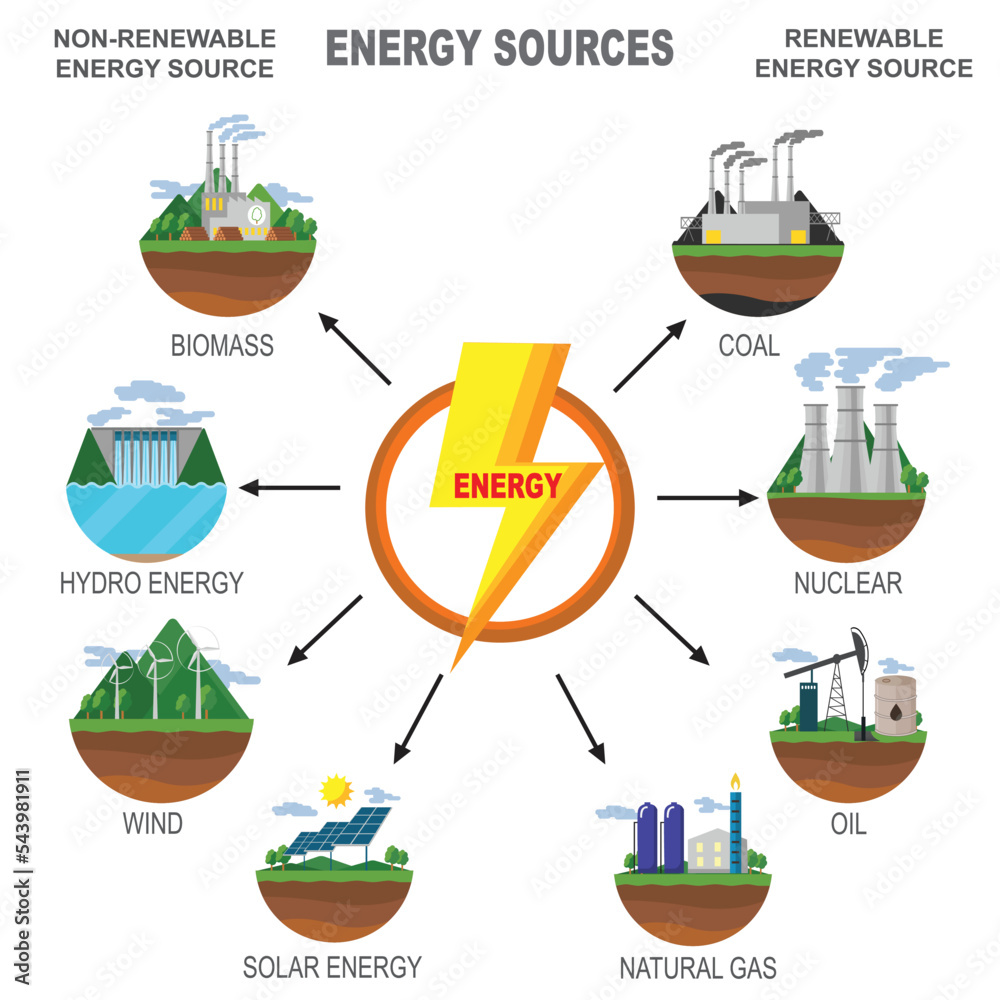
So, what exactly are we talking about when we say "non-renewable energy"? These are resources that exist in limited quantities, formed over millions of years. Once we use them up, they're gone (at least on a timescale that matters to us humans!). The main players are fossil fuels (coal, oil, and natural gas) and nuclear energy (which uses uranium). Now, let's dive into the surprisingly compelling reasons why these sources have been, and in some cases, still are, so important.
First up: reliability. For decades, non-renewable energy sources have been the backbone of our power grids. They provide a consistent and predictable supply of energy, regardless of the weather. Coal-fired power plants, for example, can churn out electricity 24/7, rain or shine. This reliability is a major advantage compared to solar or wind, which are dependent on sunlight and wind conditions. Imagine your phone charger only working when the sun is out – not ideal, right?
Next, consider established infrastructure. We've spent decades (even centuries in the case of coal) building the power plants, pipelines, and transportation networks needed to extract, process, and distribute these energy sources. This existing infrastructure makes them readily available and, in many cases, more affordable in the short term than building entirely new renewable energy systems. This doesn't mean we shouldn't invest in renewables, but it acknowledges the practicality of existing infrastructure.
Another key advantage is energy density. Fossil fuels, in particular, pack a lot of punch in a relatively small volume. Think about gasoline powering a car for hundreds of miles. Renewable energy sources, on the other hand, often require much larger installations to generate the same amount of power. This is especially relevant for industries like aviation and shipping, where energy density is crucial.
Finally, let's not forget the economic impact. The non-renewable energy sector has historically provided a significant number of jobs, from mining and drilling to refining and power generation. Transitioning away from these sources requires careful planning to ensure a just transition for workers and communities dependent on these industries.
Of course, it's crucial to acknowledge the environmental consequences of non-renewable energy. Greenhouse gas emissions, air and water pollution, and habitat destruction are serious concerns. However, understanding the advantages alongside the disadvantages allows us to make informed decisions about our energy future and work towards a sustainable transition that balances economic needs with environmental responsibility. It's not about demonizing one source over another, but understanding the role each plays in the grand energy narrative.