Ever wondered where the electricity powering your phone, lighting your home, or keeping your fridge cold comes from? While there are many sources, one particularly fascinating and impactful one is hydroelectric power. It's a pretty big deal, and understanding it can help us all make more informed decisions about the energy we use.
So, what exactly is hydroelectric power? Simply put, it's electricity generated by the power of moving water. Think of it like a giant water wheel, but instead of grinding grain, it's spinning a turbine connected to a generator that produces electricity. Dams are often used to create reservoirs, providing a controlled flow of water to power these turbines. The higher the dam, and the more water behind it, the more potential energy there is to be converted into electricity.
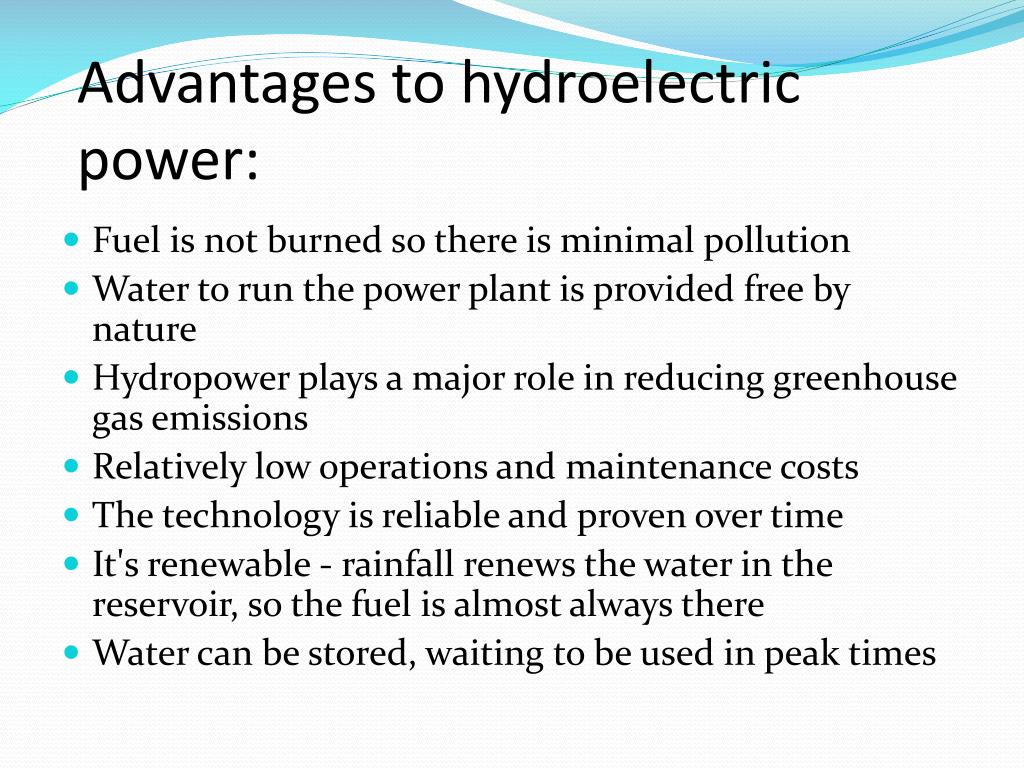
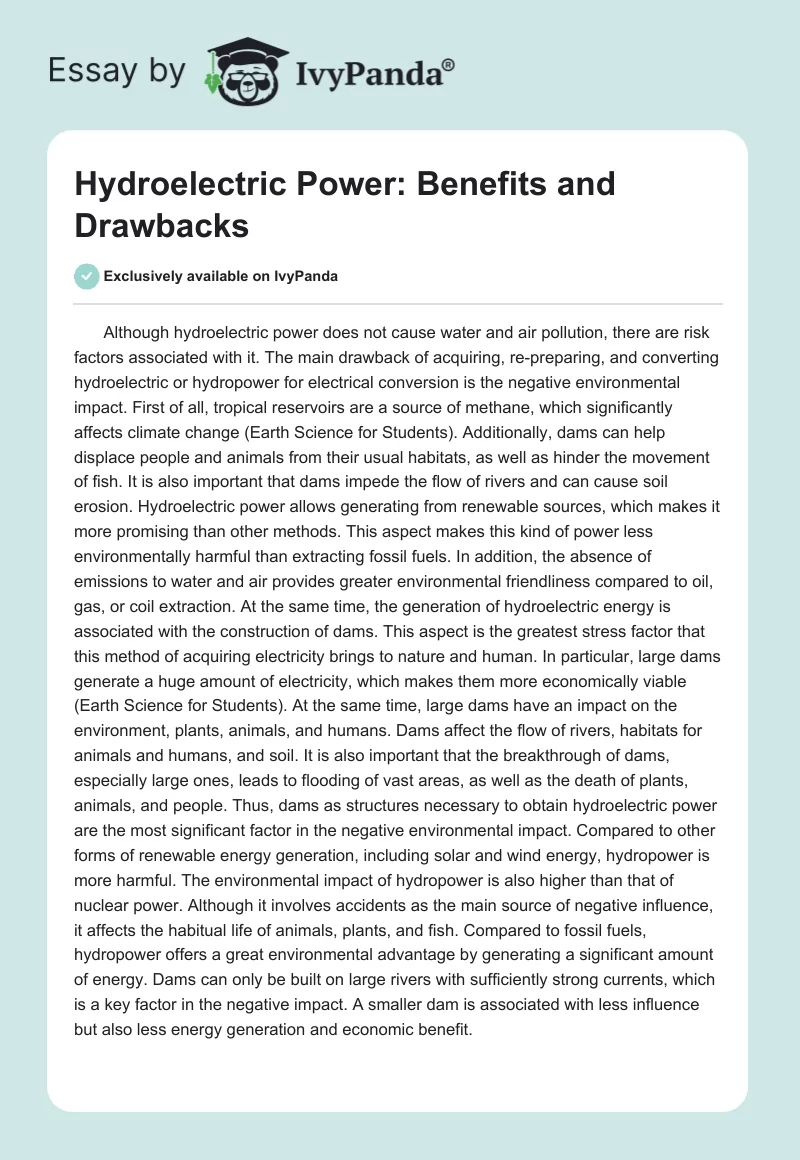
The benefits are quite significant. For starters, hydroelectric power is a renewable energy source. As long as we have water flowing, we can generate electricity. This makes it a much more sustainable option than burning fossil fuels like coal or gas, which contribute to air pollution and climate change. Furthermore, once a hydroelectric dam is built, the operating costs are relatively low. It's also a reliable source of power. Unlike solar or wind energy, which depend on the sun shining and the wind blowing, hydroelectric power can provide a steady and predictable supply of electricity. Dams also provide opportunities for flood control, irrigation, and recreation, such as boating and fishing.
You might encounter examples of hydroelectric power in your everyday life without even realizing it. Perhaps you've seen a documentary about the Hoover Dam on the Colorado River, a monumental feat of engineering that provides power to millions. Or maybe you’ve learned about hydroelectric power in a science class when studying renewable energy sources. Even looking at a map and noticing large bodies of water created by dams can spark curiosity about the power they harness.
However, it's crucial to acknowledge that hydroelectric power isn't without its drawbacks. Building dams can have significant environmental impacts. Reservoirs can flood large areas of land, displacing communities and destroying natural habitats. Dams can also block fish migration routes, affecting fish populations and the overall health of river ecosystems. Altering the natural flow of rivers can also impact water quality and downstream ecosystems. The initial construction cost of a dam is also very expensive, requiring significant investment.
Want to explore hydroelectric power further? A simple starting point is to research the hydroelectric dams in your region or country. Understanding their impact, both positive and negative, provides a more nuanced view. You can also explore online resources, like government energy websites or educational videos, to learn more about the technology and the science behind it. Consider even visiting a local dam, if possible (always respecting safety regulations, of course!). By becoming informed and asking questions, you can develop your own informed opinion about the role of hydroelectric power in our energy future.