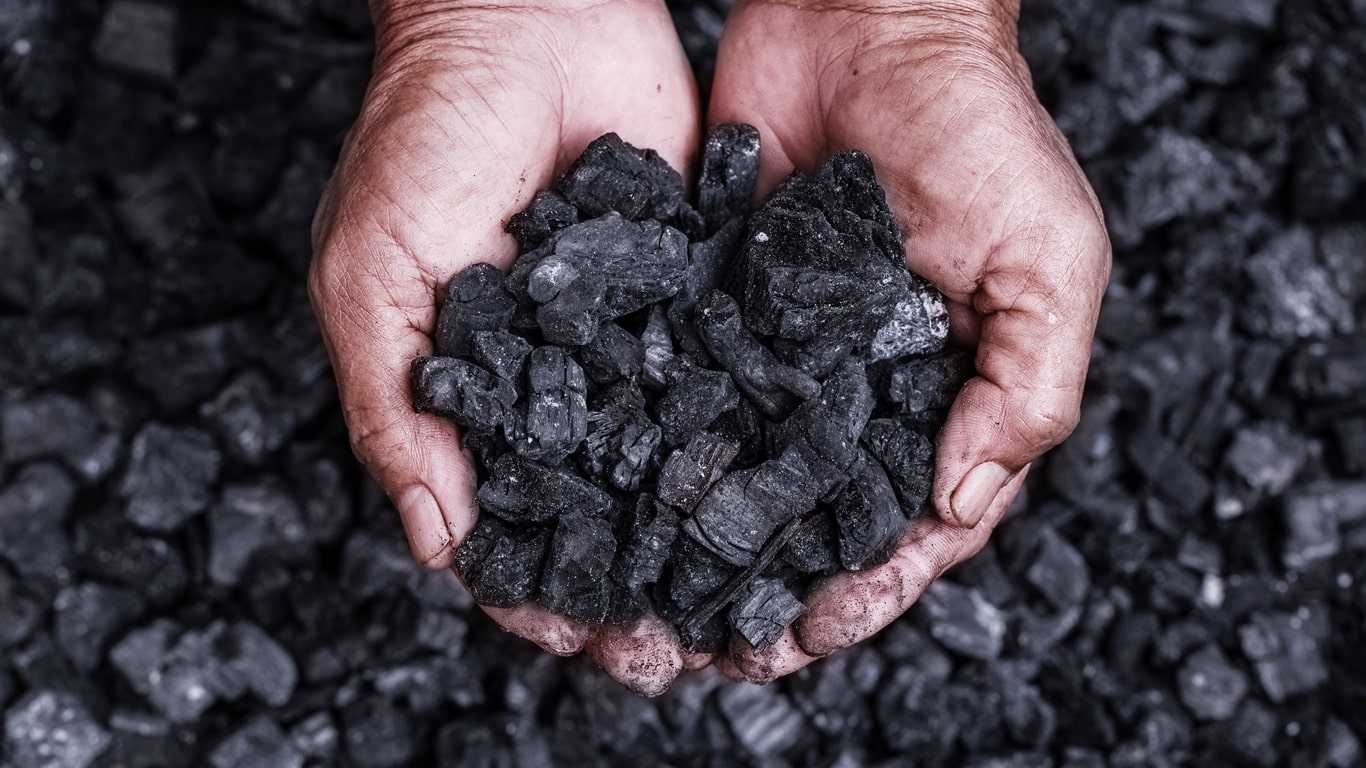
Let's talk coal. Yes, that black, chunky stuff your grandpa might have gotten for Christmas (if he was *very* naughty!). In today's world, coal is a bit like that vintage record player gathering dust in the attic – a relic of a bygone era, but still relevant in some surprising ways. So, should we ditch it completely, or does it still have a place in our modern energy landscape? Let’s dig in (pun intended!) and explore the pros and cons.
The Coal Comforts: Advantages Unveiled
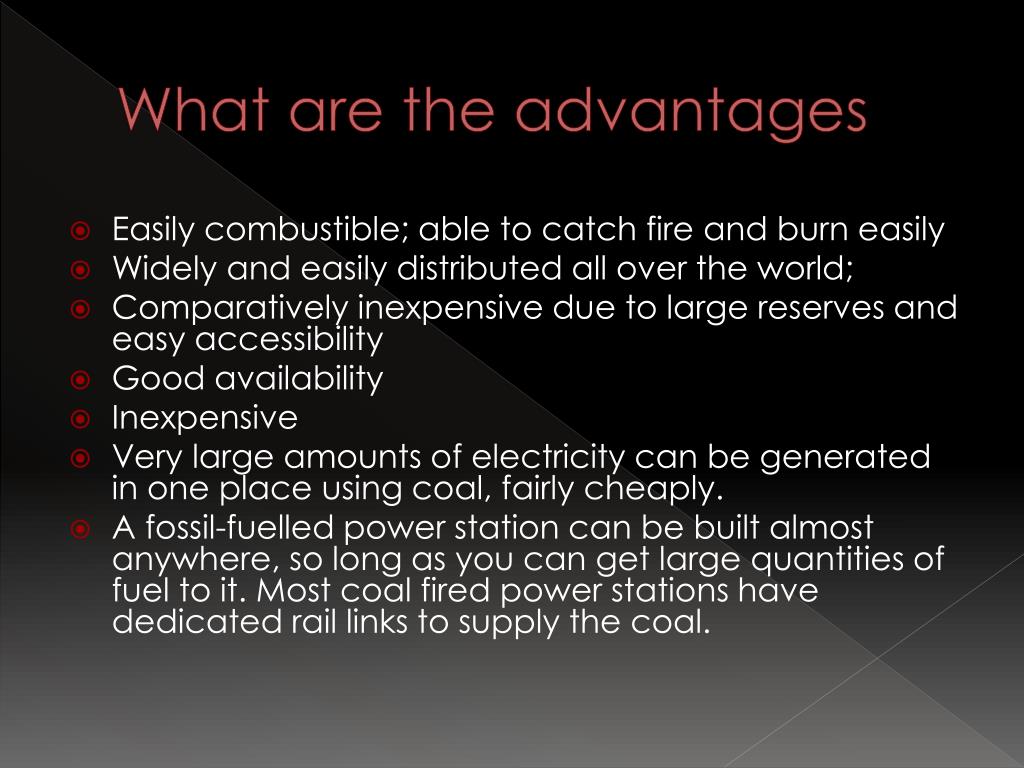
Okay, let's start with the good stuff. Why is coal still clinging on? Well, for starters, it's abundant. Think of it as the budget-friendly bulk buy of the energy world. Unlike some fancy renewable sources that require specific geographical conditions, coal deposits are scattered across the globe, making it a relatively secure and accessible energy source for many countries.
Affordability is another major perk. Compared to other fossil fuels like natural gas or oil, coal is generally cheaper to extract and process. This translates to lower electricity bills for consumers, at least in the short term. Think of it like choosing the generic brand cereal – it gets the job done without breaking the bank.
And let's not forget reliability. Coal-fired power plants are workhorses. They can generate electricity around the clock, regardless of weather conditions. Unlike solar or wind power, which are dependent on sunshine and breeze, coal plants offer a consistent and predictable energy supply. Imagine them as the dependable bassist in a rock band, always holding down the rhythm.
Here's a fun fact: Did you know that the world's largest coal producer is China? They account for over half of the global coal production! Talk about a power play.
The Dark Side: Disadvantages Exposed
Now, for the not-so-pleasant side of the story. The biggest elephant in the room when it comes to coal is its environmental impact. Burning coal releases huge amounts of greenhouse gases, primarily carbon dioxide (CO2), which contributes significantly to climate change. It’s like that friend who always insists on driving his gas-guzzling Hummer, regardless of the impact on the planet.
But it doesn't stop there. Coal combustion also releases other harmful pollutants, such as sulfur dioxide (SO2) and nitrogen oxides (NOx), which cause acid rain and respiratory problems. These are the unwelcome guests at the party, leaving everyone feeling a little worse for wear.
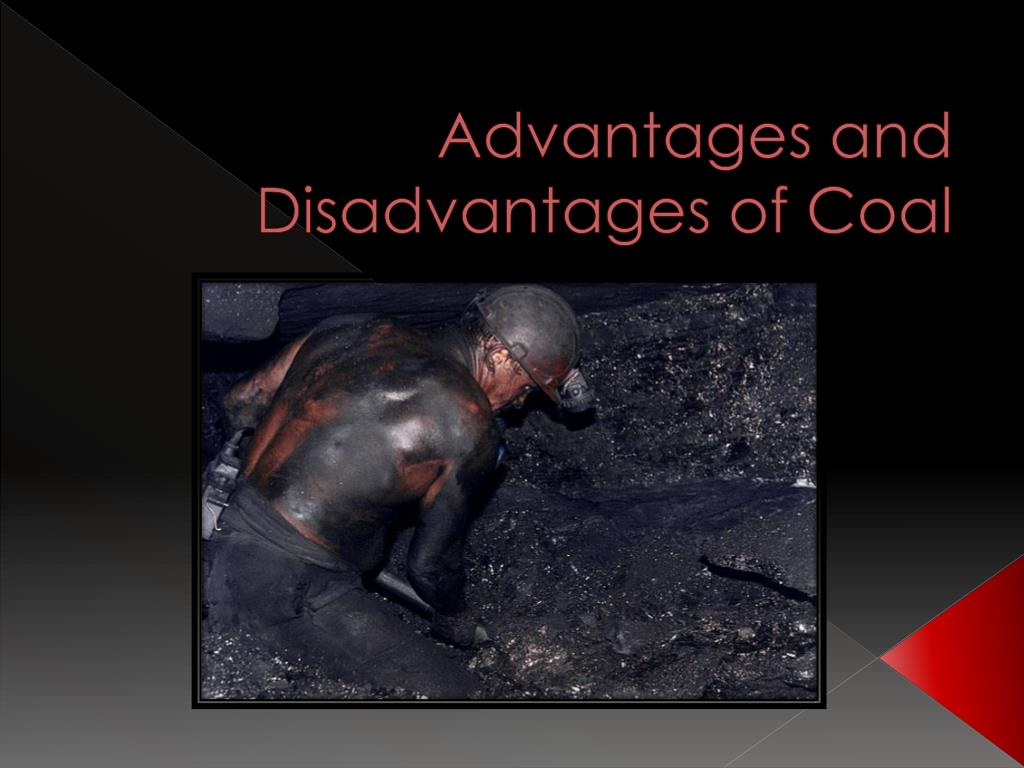
Mining coal can also be a dirty business. Habitat destruction, water pollution, and the risk of accidents are all serious concerns associated with coal mining. Imagine bulldozing a rainforest to build a parking lot – that's the kind of devastation we're talking about.
There are also health risks for those working in and living near coal mines. Black lung disease, caused by long-term exposure to coal dust, is a grim reminder of the human cost of this industry. It's a stark contrast to the "clean energy" narrative that's increasingly dominating the conversation.
Navigating the Coal Conundrum: Practical Tips & Considerations
So, what can *you* do? Even though individual actions might seem small, they add up. Consider these tips:
*Energy Efficiency: Reduce your energy consumption at home. Switch to LED light bulbs, unplug electronics when not in use, and insulate your home properly.
*Support Renewable Energy: Choose electricity providers that offer renewable energy options. Many companies now offer "green" energy plans that source power from wind, solar, or hydropower.
*Advocate for Change: Contact your elected officials and urge them to support policies that promote clean energy and reduce reliance on fossil fuels.
Remember, the transition away from coal will require a multifaceted approach, involving governments, businesses, and individuals. It's a bit like trying to solve a complex puzzle – everyone needs to play their part.
The Bottom Line
Coal is a complex issue. It offers affordability and reliability, but at a significant environmental cost. As we move towards a more sustainable future, it's crucial to weigh the advantages and disadvantages carefully. While coal may still play a role in the short term, investing in renewable energy and promoting energy efficiency is essential for a healthier planet and a brighter future.
Think about the last time you flipped on a light switch. Where did that power come from? Perhaps it's a prompt to start thinking a little more deeply about the energy we use every day, and the choices we can make to create a more sustainable world. It all starts with awareness, and hopefully, this has shed a little light (powered by whatever source!) on the subject.