Imagine your cozy fireplace crackling merrily on a winter's night. What's fueling that warmth? Chances are, it's biomass! But hold on, is burning wood the ultimate solution to our energy woes, or are we just setting ourselves up for a different kind of smoke show?
Let's dive into the wacky world of biomass, exploring its perks and pitfalls, all while keeping things light and fun.
Biomass: Nature's Energy Leftovers
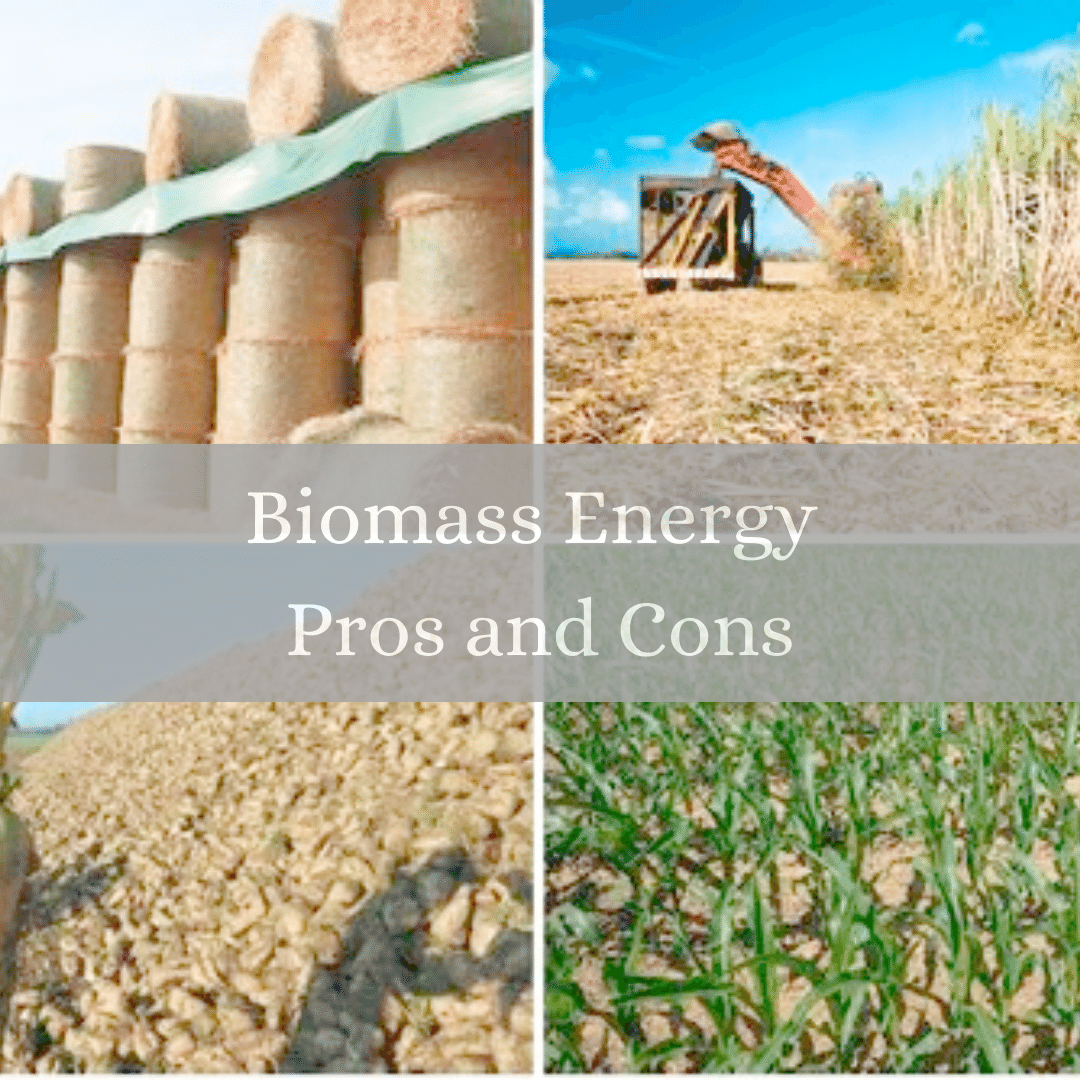
Essentially, biomass is anything organic that can be burned for energy. Think wood, crops, even those banana peels you toss in the compost bin!
It's like nature's leftovers, ready to be repurposed into something useful. But, like any good recipe, there are pros and cons to consider.
The Sunny Side of Biomass
First up, let's talk about the warm and fuzzy advantages. Biomass is often touted as a renewable resource. Trees grow back, crops are harvested annually, and banana peels... well, they just keep coming.
Compare that to fossil fuels, which are a finite resource. Once they're gone, they're gone (until the dinosaurs come back, anyway!).
Another win for biomass: it can be carbon neutral. Here's the idea: plants absorb carbon dioxide (CO2) from the atmosphere as they grow. When burned, they release that CO2 back. Theoretically, it's a closed loop, a bit like a carbon seesaw.
Also, biomass can give local economies a boost. Farmers can sell crop waste, foresters can manage woodlands sustainably, and small towns can power their communities with local resources. This can lead to job creation and economic development in rural areas.
Think of it as turning trash into treasure, quite literally.
The Not-So-Sunny Side of Biomass
Now, before you start stockpiling firewood, let's look at the downsides. Burning biomass isn't always as clean as it sounds.
It can release pollutants into the air, like particulate matter and other nasties. This can contribute to air pollution and respiratory problems, especially in areas where biomass is burned in inefficient stoves.
And that carbon neutrality thing? It's not always a given. If forests are cleared specifically to burn wood, or if crops are grown using energy-intensive fertilizers, the carbon balance can tilt negatively. It's all about sustainable practices.
Also, biomass can be bulky and inefficient to transport. Imagine trucking tons of wood chips across the country. That requires energy, and likely fossil fuels, which can offset some of the benefits.
Furthermore, burning biomass requires land, and sometimes this land can be at the expense of food production.
Biomass in Action: A Few Quirky Examples
Biomass isn't just about fireplaces. It's used in all sorts of surprising ways.
Some power plants burn wood pellets or agricultural waste to generate electricity. It's like a giant bonfire powering the grid.
In some parts of the world, biogas digesters convert manure and other organic waste into methane gas, which can be used for cooking and heating. It's like turning cow pies into clean energy!
And researchers are even exploring the use of algae and other aquatic biomass to produce biofuels. Talk about a sustainable solution from the sea!
The Future of Biomass: A Balancing Act
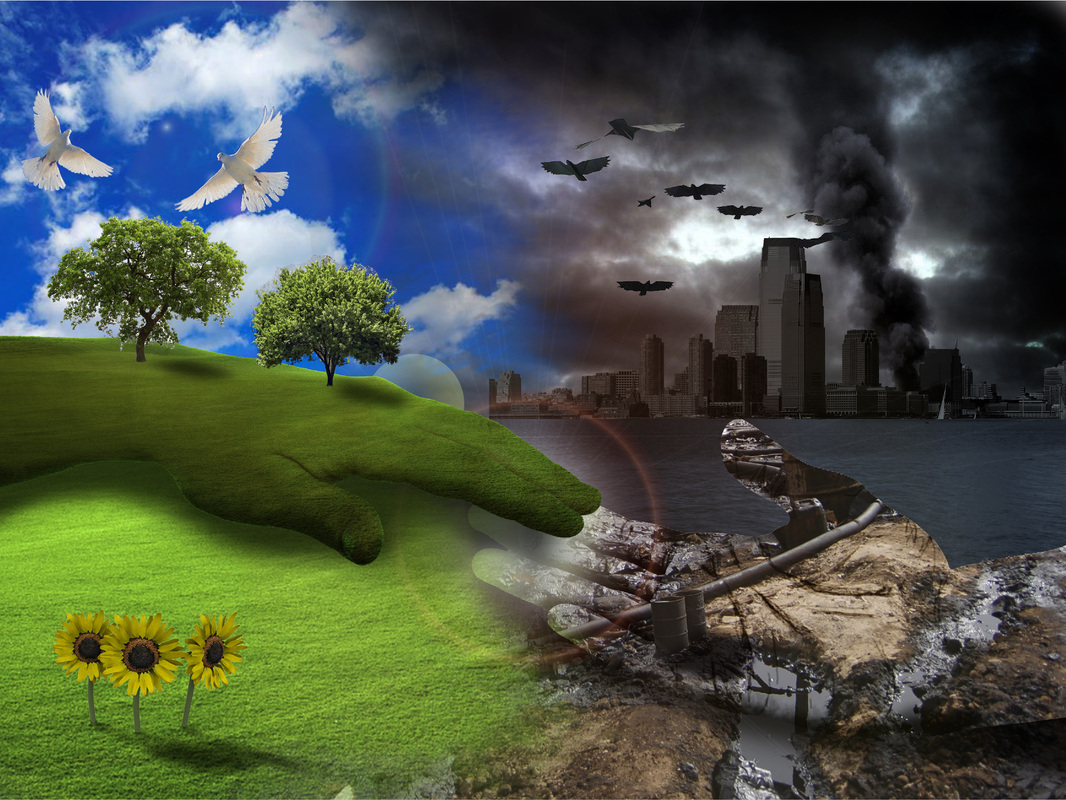
So, is biomass a hero or a villain? The truth is, it's a bit of both.
When used sustainably and efficiently, biomass can play a role in a cleaner energy future. But it's not a silver bullet. It requires careful planning, responsible management, and a healthy dose of skepticism.
The key is finding the right balance. Using waste products, promoting sustainable forestry, and investing in cleaner burning technologies can help maximize the benefits of biomass while minimizing its drawbacks. It's all about making smart choices that protect our planet and our health.
Ultimately, the future of biomass depends on how we choose to use it. Let's aim for a future where biomass is a sustainable and beneficial resource, not just another source of pollution. Think of it as a chance to turn our trash into treasure, one banana peel at a time.
Perhaps, one day, we can even power our cars with banana peels! Okay, maybe that's a bit of a stretch. But hey, a girl can dream, right?