Ever watched the tide roll in and thought, "Wow, that's a LOT of water... We could probably power a toaster or two with that!"? Well, you're not alone! Harnessing the ocean's rhythmic dance – tidal power – is an idea that's been floated for ages. But like a stubborn barnacle, it comes with its own set of challenges and shiny, alluring benefits. Let's dive in!
Riding the Wave of Advantages: Tidal Power's Superpowers
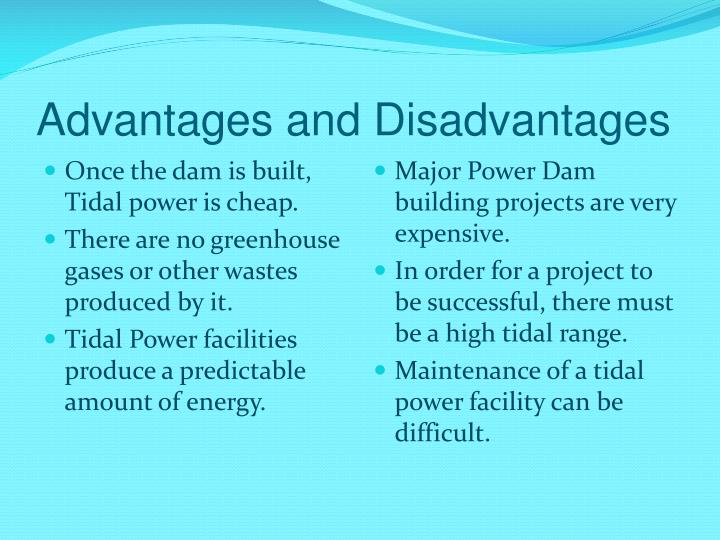
Imagine a power source that's as predictable as your grandma's knitting schedule. That's tidal power in a nutshell! Unlike solar, which snoozes at night, or wind, which can be fickle as a teenager's mood, tides follow the moon like a lovesick puppy. This means reliable, consistent energy – a dream come true for grid operators everywhere.
Think of it as Mother Nature’s metronome, keeping a steady beat of energy. We can practically set our watches (and, you know, entire power grids) by it! And who doesn’t love a good bit of predictability?
But wait, there's more! Tidal power is a renewable energy source, meaning it won't run out anytime soon. As long as the moon keeps orbiting (and let's hope it does!), we've got free fuel! Forget those pesky fossil fuels leaving behind nasty fumes. This is clean energy, baby! Cleaner than your freshly-squeezed lemon water!
Plus, once those tidal power plants are built (think gigantic underwater windmills or dams), the operating costs are relatively low. The tide just keeps coming and going, free of charge. It's like having a never-ending supply of free ice cream... okay, maybe not quite, but you get the idea!
And let's not forget, these structures, like the La Rance Tidal Power Station in France, can sometimes offer coastal protection against storms and flooding. It's like having a super-powered sea wall that also makes electricity. Talk about a win-win!
Navigating the Treacherous Tides: Tidal Power's Downfalls
Okay, so tidal power sounds pretty amazing, right? Like finding a twenty-dollar bill in your old jeans. But before you start planning your underwater power empire, let's talk about the, ahem, slightly less glamorous side of things.
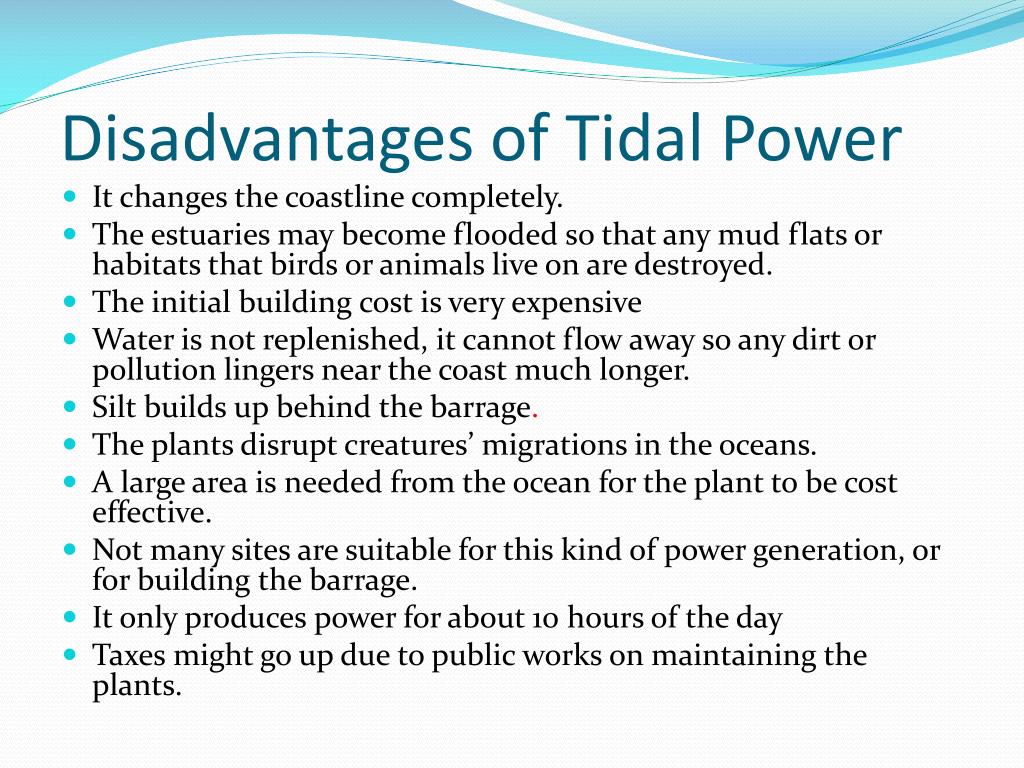
First up, the initial cost of building tidal power plants is eye-wateringly expensive. We're talking serious dough, like the price of a small island nation. That's because building large structures in the ocean is no walk in the park. Waves, currents, and salty water all conspire to make construction a real pain. It's like trying to build a sandcastle during a hurricane – not exactly a breeze!
Then there's the environmental impact. Big tidal barrages can disrupt marine ecosystems, affecting fish migration and other wildlife. Imagine building a giant wall across your favorite river; the fish wouldn't be too happy, would they? Finding ways to minimize these impacts is crucial.
And location, location, location! Tidal power plants only work in areas with strong tidal currents, and those spots are pretty limited. You can't just plop a tidal turbine down anywhere and expect it to churn out electricity. You need a Goldilocks zone of tidal activity – not too weak, not too strong, but just right. That perfect location is often remote, so getting that power back to places it's needed, the cities, can be costly.
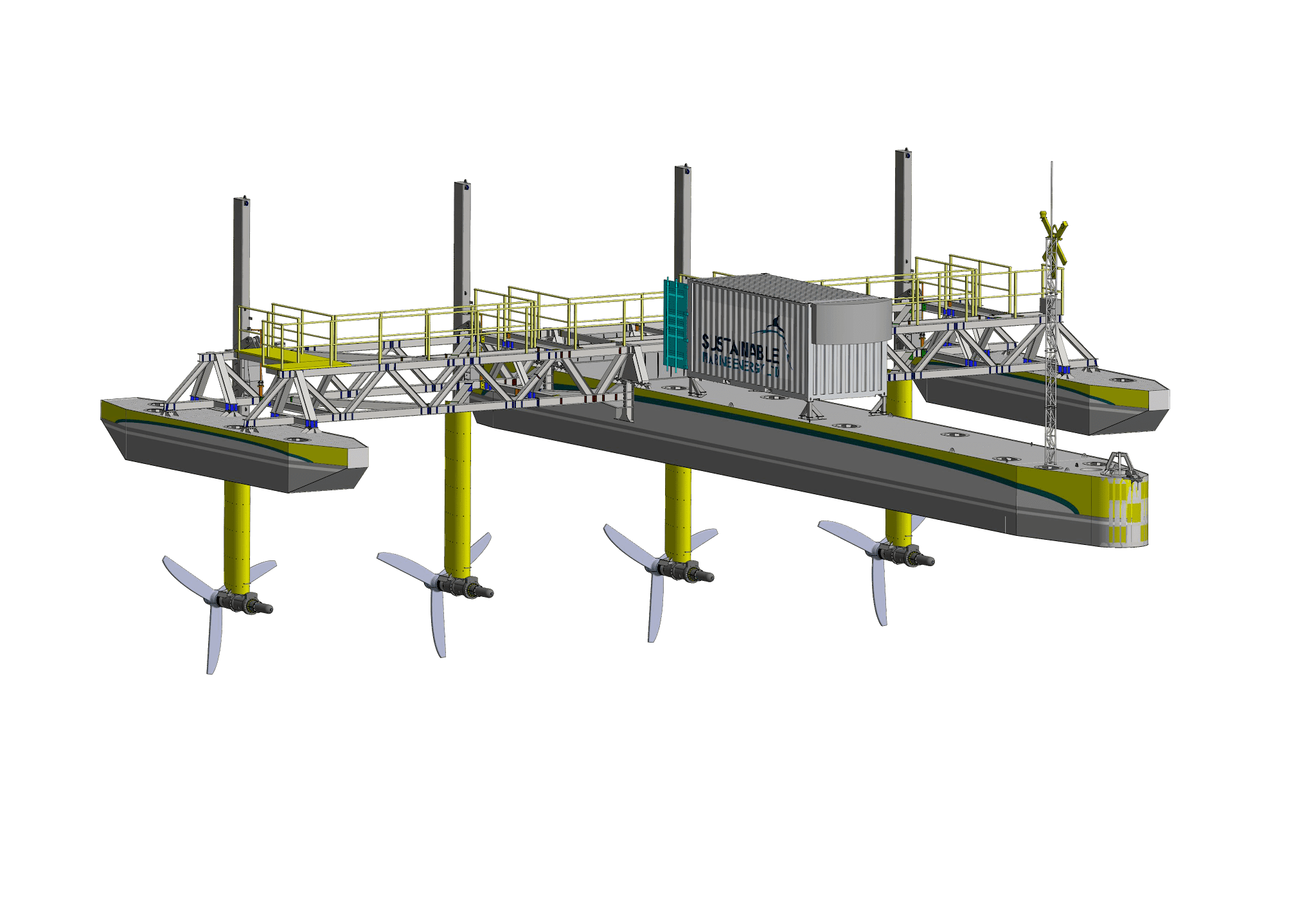
Also, these tidal plants are kinda like those awkward relatives who make too much noise at family gatherings. Tidal turbines can generate underwater noise pollution, which can be disruptive to marine animals that rely on sound for communication and navigation. So you can see, that a SeaGen tidal turbine needs to be set in the right place to protect the sea.
Finally, tidal power plants can impact navigation and recreation. Large structures in the water can be hazards to ships and boats, and they might interfere with fishing or other water-based activities. It's like trying to parallel park with a herd of sea lions watching – not always the easiest or most enjoyable experience.
The Verdict?
Tidal power is a tantalizing prospect: clean, predictable energy drawn from the ocean's relentless rhythm. But, like any technology, it's not a silver bullet. It's a complex equation with real advantages and disadvantages. The challenge lies in minimizing the environmental impact, making it economically viable, and finding the sweet spots where tidal power can truly shine. With careful planning and innovation, tidal power could become a significant player in our energy future. It’s like a recipe for a great dish – you need the right ingredients and the right preparation. And who knows, maybe one day your toaster *will* be powered by the tides. Wouldn't that be something?