Ever watched the tide roll in and out and thought about the immense power behind it? It's a pretty captivating thought, isn't it? Well, that power isn't just for show; it can be harnessed! We're talking about tidal energy, a fascinating and relatively untapped source of renewable energy. It’s becoming increasingly relevant as we search for cleaner alternatives to fossil fuels, and understanding its potential – and its limitations – is crucial for shaping a sustainable future.
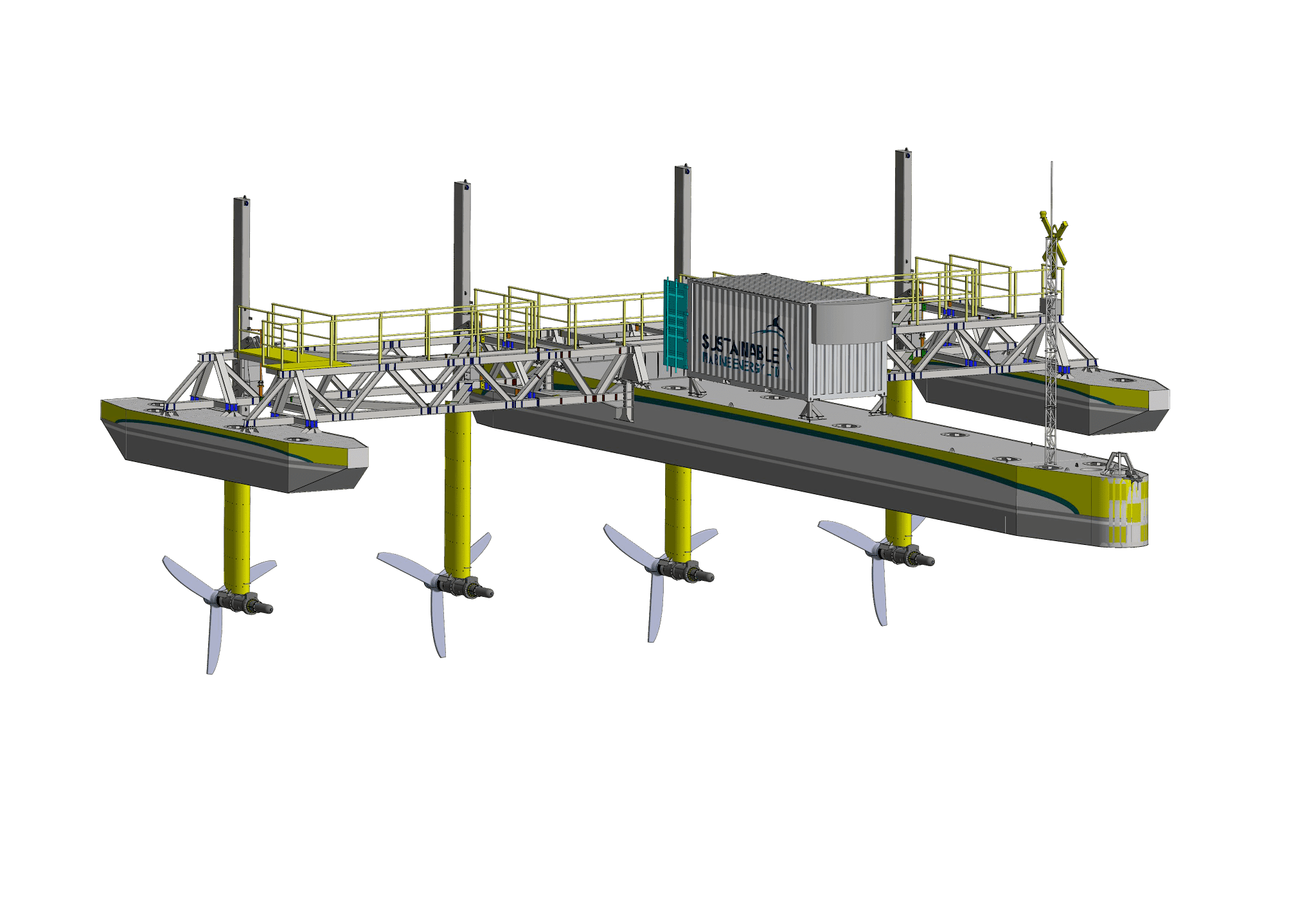
So, what exactly is tidal energy? Simply put, it's electricity generated from the natural rise and fall of tides. This happens thanks to the gravitational pull of the moon and sun, creating a predictable and reliable source of movement in our oceans. The purpose is to convert that kinetic energy (the energy of motion) into electricity. Just imagine a giant underwater turbine, spinning as the tide flows in and out, powering our homes and businesses! The benefits are clear: it’s a renewable resource, meaning it won't run out like fossil fuels. It's also relatively predictable; we know when the tides will rise and fall, unlike solar or wind power which depend on weather conditions. This predictability helps with grid stability and planning.
While large-scale tidal energy plants are still relatively rare, the underlying principles are already influencing education and even some aspects of daily life. For instance, many science museums feature interactive exhibits demonstrating how tidal power works. You might see scaled-down tidal turbines powering small displays, illustrating the concept in a tangible way. In daily life, understanding tidal patterns is essential for sailors, fishermen, and coastal communities. Knowing the tide times and heights is critical for navigation, safety, and maximizing fishing yields. Even simple things like planning a beach trip can be influenced by understanding the tides – nobody wants to set up camp right before high tide!
However, tidal energy isn't without its drawbacks. One of the biggest disadvantages is the high initial cost of building tidal power plants. These structures are complex and require significant investment. Another concern is the potential environmental impact. Tidal barrages (dam-like structures built across estuaries) can disrupt marine ecosystems, affecting fish migration and altering sediment patterns. While newer technologies like tidal stream generators (underwater turbines that don't block entire estuaries) are designed to minimize these impacts, careful environmental assessments are crucial before implementing any tidal energy project. Finally, the location limitations are significant. Tidal energy requires strong tidal currents and suitable geographical locations, limiting its widespread applicability.
Curious to learn more? There are plenty of simple ways to explore tidal energy further! Start by researching the tidal ranges in your local area or a coastal region you're interested in. Observe how the tides affect the coastline – where the water reaches at high tide versus low tide. Look for documentaries or online resources explaining the different types of tidal energy technologies (tidal barrages, tidal stream generators, tidal lagoons). Even just thinking about the immense forces at play when you're next at the beach is a great way to appreciate the potential – and the challenges – of harnessing the power of the tides. Maybe one day you'll even be involved in developing the next generation of tidal energy technology!