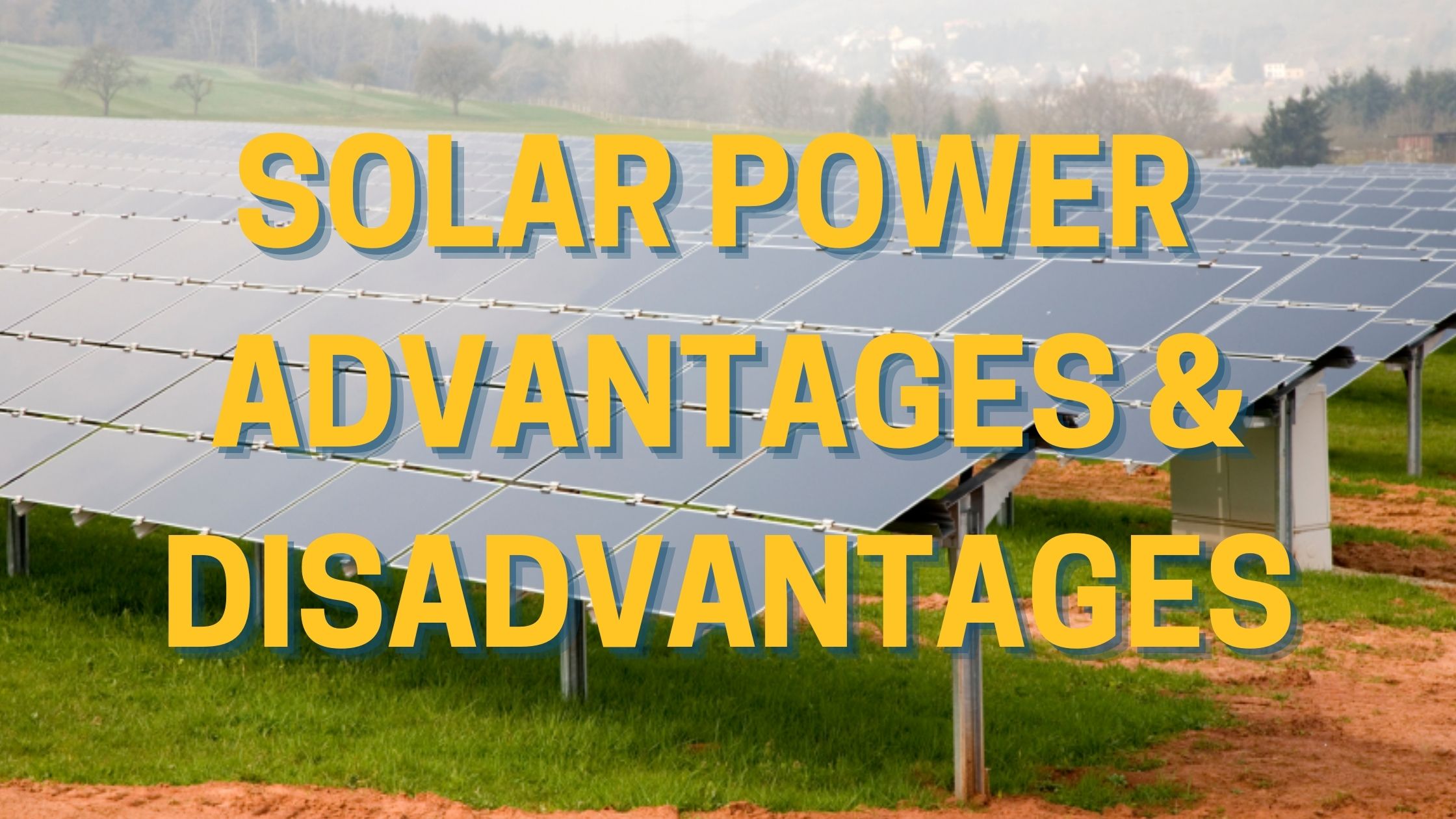
Let's face it, there's something inherently satisfying about harnessing the power of the sun. Maybe it's the feeling of self-sufficiency, the connection to nature, or simply the smug satisfaction of knowing you're doing your part for the planet. Whatever the reason, solar power has become increasingly popular, moving from a niche technology to a mainstream energy source. We see it everywhere, from the tiny solar panels powering garden lights to vast solar farms stretching across the desert.
But what's the real deal with solar power? Is it all sunshine and rainbows, or are there some cloudy days involved too? Let's dive into the advantages and disadvantages of this increasingly important energy source.
One of the biggest advantages, and probably the most obvious, is that solar energy is renewable. The sun isn't going anywhere anytime soon (hopefully!), so we can rely on it as a virtually inexhaustible energy source. This is in stark contrast to fossil fuels, which are finite and contribute significantly to climate change. Using solar power significantly reduces our carbon footprint, helping to create a cleaner and healthier environment for future generations.
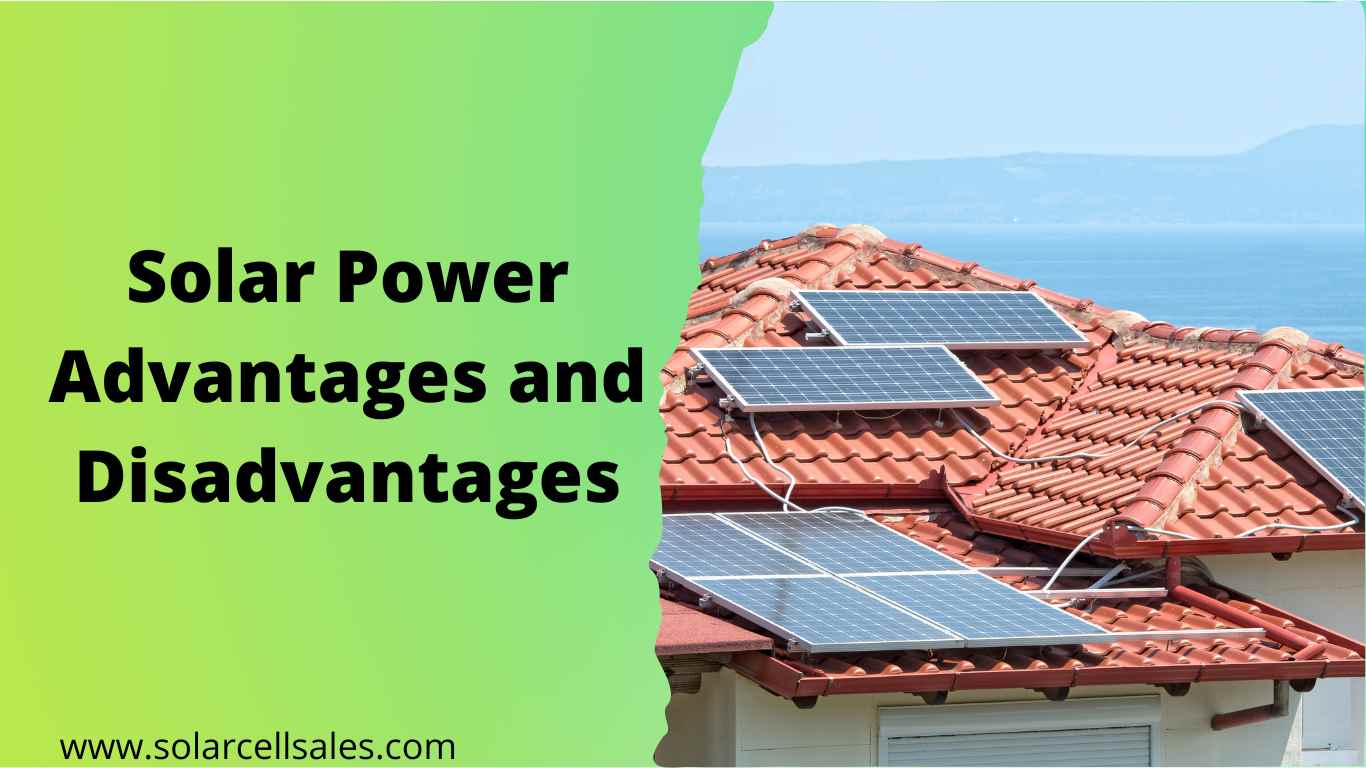
Beyond environmental benefits, solar power can also save you money. Once you've made the initial investment in solar panels, the electricity they generate is essentially free. This can lead to substantial savings on your electricity bills over the lifespan of the system. In some cases, you can even sell excess energy back to the grid, generating additional income. This is commonly seen in residential areas where houses have solar panels installed on the roofs.
Solar power is also becoming increasingly versatile. You see it in powering homes, businesses, and even electric vehicles. Solar powered water heaters are also gaining popularity. Portable solar chargers are fantastic for camping and hiking, ensuring you can keep your devices powered even when you're off-grid.
However, it's not all sunshine and roses. Solar power has its drawbacks. The most significant is its intermittency. Solar panels only generate electricity when the sun is shining. This means that on cloudy days or at night, you'll need to rely on alternative energy sources or battery storage. Battery storage, while improving, adds to the overall cost of the system.
Another disadvantage is the initial cost. Installing solar panels can be a significant investment, although prices have been steadily declining in recent years. This upfront cost can be a barrier for some homeowners and businesses.
Finally, the efficiency of solar panels is still a factor. While constantly improving, solar panels don't convert all of the sunlight that hits them into electricity. The amount of energy that solar panels can generate is also limited by the amount of space available, since you can only fit so many panels on a roof.
So, how can you enjoy solar power more effectively? Firstly, research different types of solar panels and choose the ones that best suit your needs and budget. Secondly, consider investing in battery storage to ensure you have power even when the sun isn't shining. Thirdly, take advantage of government incentives and rebates to help offset the initial cost of installation. And finally, regularly maintain your solar panels to ensure they are operating at peak efficiency. This often involves cleaning them to remove dust and debris. With a little planning and effort, you can harness the power of the sun to create a more sustainable and affordable energy future.