Hey there, friend! Ever wonder about all this buzz surrounding "renewable resources"? It can sound a bit intimidating, but trust me, it's way simpler (and way more important) than you might think. Think of it like this: renewable resources are like the gifts that keep on giving from Mother Nature – things like sunshine, wind, and water. Unlike that limited-edition video game you've been eyeing, these goodies aren't going to run out (at least, not anytime soon!). But, as with everything in life, there are ups and downs. Let's dive into the fun stuff – the advantages and disadvantages of using renewable resources – in a way that even your pet goldfish could understand.
The Shiny, Happy Advantages of Renewable Resources
Okay, let's start with the good stuff! Why should you, a regular person just trying to live your best life, care about renewable energy? Well, imagine waking up to a cleaner, fresher world. That's a biggie right there!
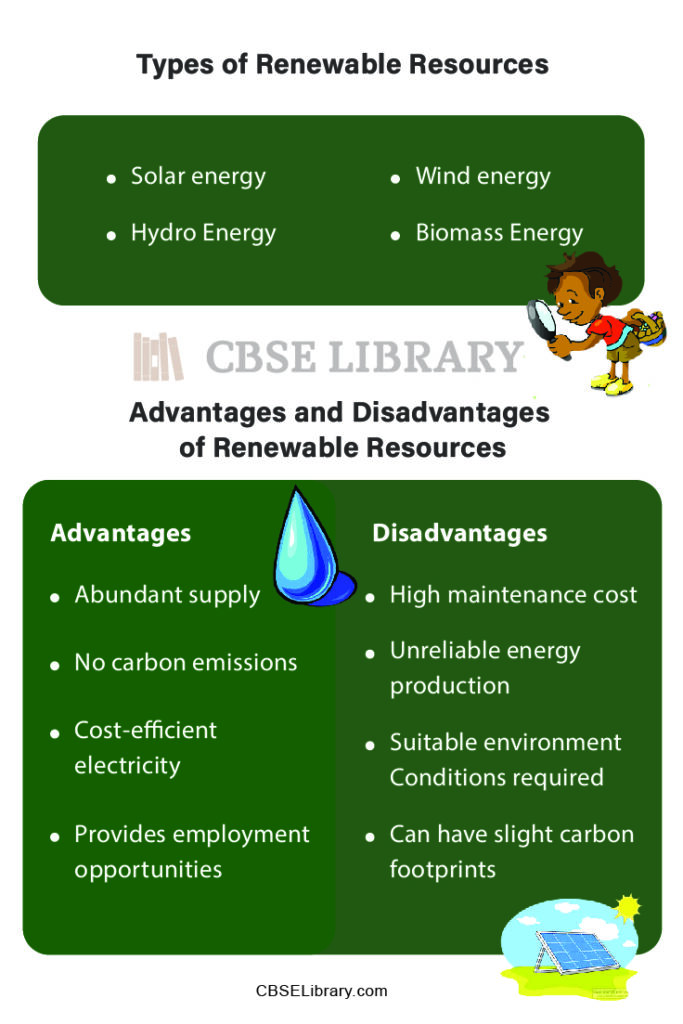
Cleaner Air and a Healthier Planet: Remember that feeling when you escape the city and breathe in that crisp, mountain air? Renewable energy helps bring that feeling closer to home. By relying less on fossil fuels (think coal and oil), we drastically reduce air pollution. This means fewer asthma attacks, fewer smoggy days, and a happier, healthier planet for everyone – including your grandkids!
Endless Supply: The sun will keep shining (hopefully!), the wind will keep blowing, and the rivers will keep flowing. That's the beauty of renewable resources – they're practically inexhaustible. It’s like having an all-you-can-eat buffet that never runs out of your favorite dish! This contrasts sharply with fossil fuels, which are finite and getting scarcer.
Creating Jobs and Boosting the Economy: Installing solar panels, building wind turbines, and researching new renewable energy technologies creates tons of jobs! We're talking about electricians, engineers, construction workers, and researchers – a whole new wave of opportunities. It’s like planting seeds for a future harvest of good-paying jobs.
Energy Independence and Security: Imagine a world where your country isn't reliant on other nations for its energy supply. Renewable resources help us achieve that! By generating our own power from the sun, wind, and water, we become less vulnerable to global market fluctuations and geopolitical instability. Think of it as becoming self-sufficient in your own backyard – pretty empowering, right?
Lowering Energy Costs in the Long Run: While the initial investment in renewable energy technologies can be significant, the long-term operating costs are often much lower than traditional fossil fuel-based power plants. The sun and wind don't send us monthly bills, do they? Over time, this can translate to lower electricity bills for you and me.
The Not-So-Sunny Disadvantages (But Don't Worry!)
Okay, now for the real talk. Renewable resources aren't perfect (nothing is!). There are some challenges we need to address to fully embrace a renewable energy future.
Intermittency: The sun doesn't always shine, and the wind doesn't always blow. This means that renewable energy sources like solar and wind can be intermittent, or unreliable. Imagine trying to bake a cake with an oven that only works sometimes – frustrating, right? This is why we need energy storage solutions (like batteries) and smart grids to manage the flow of renewable energy effectively.
High Upfront Costs: Installing solar panels on your roof or building a wind farm requires a significant initial investment. It’s like buying a really nice, energy-efficient washing machine – it costs more upfront, but saves you money in the long run. Luckily, government incentives, tax credits, and falling technology costs are making renewable energy more affordable.
Land Use: Large-scale solar and wind farms can require a lot of land. This can sometimes lead to conflicts with other land uses, such as agriculture or wildlife habitat. It's like trying to decide whether to build a park or a parking lot – there are trade-offs to consider. Careful planning and responsible siting are crucial to minimize these impacts.
Environmental Impacts: While renewable energy is generally much cleaner than fossil fuels, it's not entirely without environmental impacts. Hydropower dams can disrupt river ecosystems, and wind turbines can pose a risk to birds and bats. We need to continuously improve our technologies and practices to minimize these impacts.
Location Restrictions: Some renewable resources are only available in certain locations. For example, geothermal energy is only accessible in areas with geothermal activity, and hydropower is only feasible in areas with suitable rivers. It’s like trying to grow a cactus in Alaska – it’s just not going to work! This means we need a diverse mix of renewable energy sources to meet our energy needs.
Why Should You Care? (The Feel-Good Part!)
So, why should you, the average person scrolling through the internet, actually care about all of this? Simple: because it affects your life, your health, and your future! By supporting renewable energy, you're contributing to a cleaner, healthier planet for yourself, your family, and future generations.
Think about it: every time you choose to support companies that use renewable energy, recycle, or even just turn off the lights when you leave a room, you're making a difference. It's like casting a vote for a better future, one small action at a time. It might seem insignificant, but together, all those little actions add up to something big! So, let's embrace the power of renewable resources and build a brighter, cleaner, and more sustainable future, together!
Remember: Knowledge is power, and every little bit helps!