Have you ever noticed how quickly a gas stove can boil water? Or how consistently warm a gas furnace keeps a house during the winter? Natural gas, that invisible workhorse, is a powerhouse in many homes, powering everything from cooking and heating to even, believe it or not, crafting! While we usually think of it as just a fuel source, let's explore the surprising ways natural gas impacts our lives, focusing on its creative potential.
Now, I know what you're thinking: "Creative potential? With gas?" Stick with me! Think of it this way: natural gas is the controlled energy source behind the precise temperature control in pottery kilns. Artists who work with ceramics rely on this consistency to achieve stunning glazes and perfectly fired pieces. Without it, the intricate processes of pottery making would be much more challenging.
Beyond ceramics, natural gas furnaces also provide a stable heat source for things like enameling on metal. Hobbyists can create beautiful jewelry, decorative boxes, and even miniature artworks using enamel powders fused onto metal surfaces with the heat from a kiln. This allows for vibrant colors and detailed designs that wouldn't be possible without such a consistent heat source.
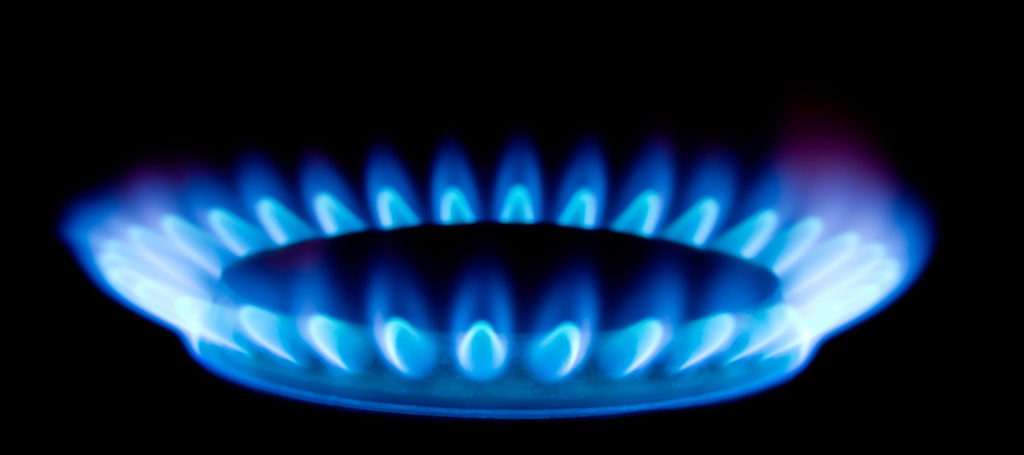
Even for the casual learner, the benefits of natural gas are clear. Consider glassblowing. While a professional studio is needed for safety, understanding the role natural gas plays in heating the glass to a molten state is a crucial part of appreciating the art form. The intensity and controllability of the gas flame allow artists to manipulate the glass into incredible shapes, from delicate ornaments to impressive sculptures. Imagine the mesmerizing swirls of color in a hand-blown vase, all thanks to the power of a carefully controlled gas flame!
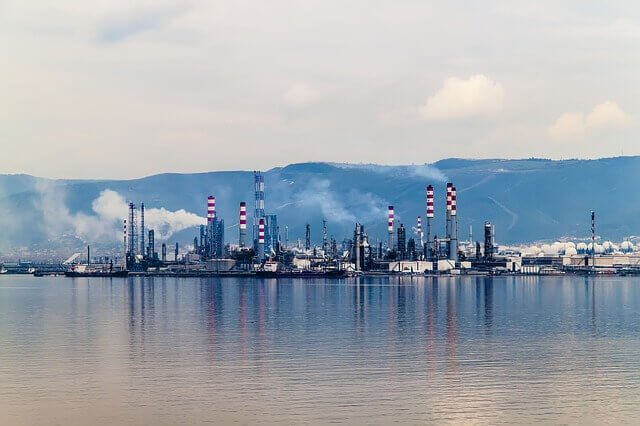
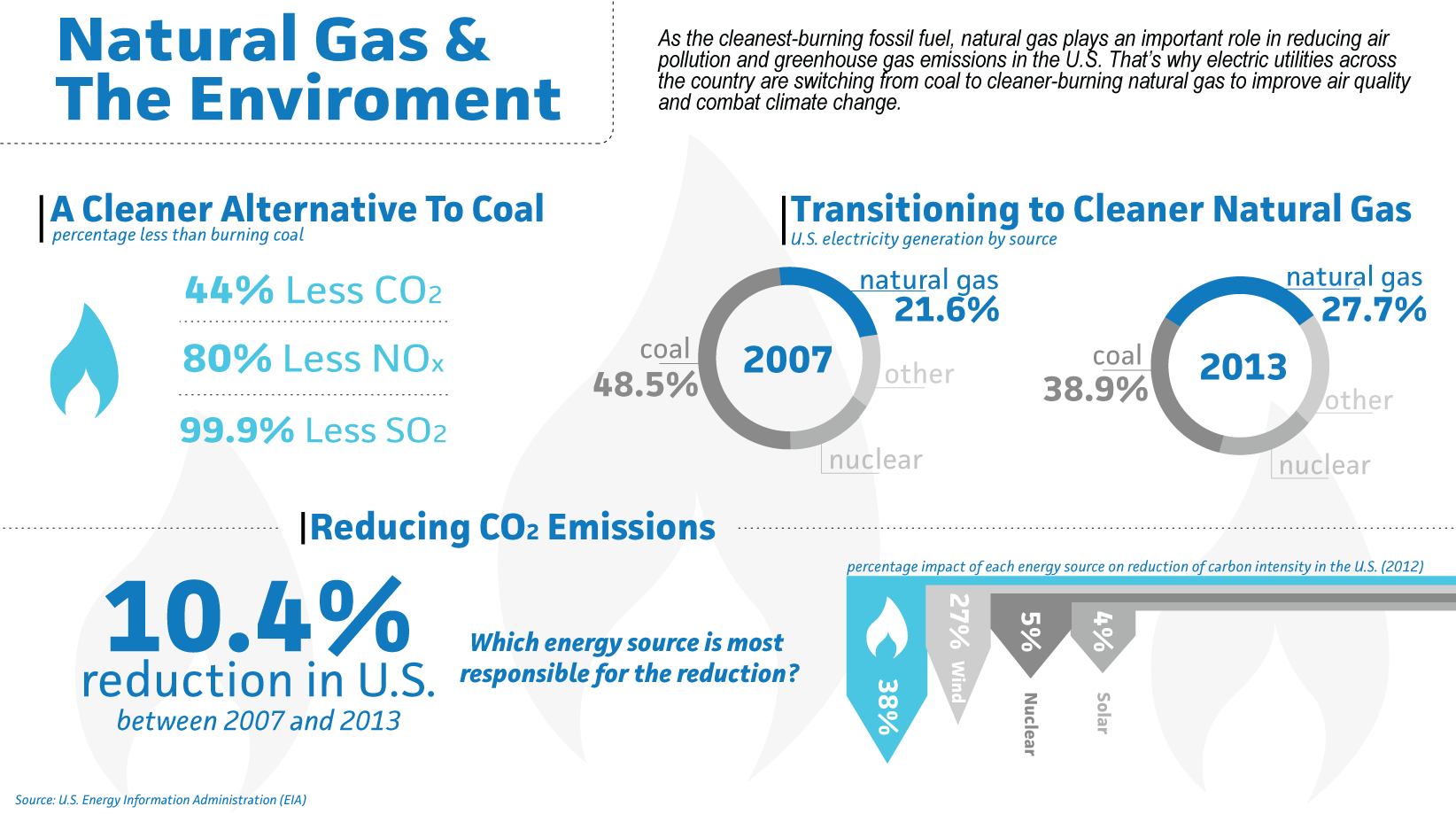
However, it's important to acknowledge the other side of the coin. While incredibly useful, natural gas does come with some disadvantages. Firstly, it's a fossil fuel, meaning it contributes to greenhouse gas emissions when burned. Secondly, leaks can be dangerous, posing a risk of fire or explosion. Finally, the infrastructure required to transport natural gas (pipelines, etc.) can be expensive and disruptive to the environment.
On the flip side, natural gas is generally more affordable than other energy sources like electricity, especially for heating large spaces. It's also a relatively clean-burning fossil fuel compared to coal or oil. Plus, the reliability of the natural gas supply is usually quite high, ensuring consistent access to the energy needed for both practical and creative pursuits.
While you likely won't be setting up a pottery kiln in your kitchen, understanding the role of natural gas in various art forms can be incredibly inspiring. Perhaps you'll be more appreciative of that perfectly glazed mug or the intricate detail in a glass-blown ornament. And who knows, maybe it will spark an interest in exploring these art forms further!
Ultimately, natural gas is more than just a utility; it's a tool that enables creativity and innovation. It's the silent partner behind many beautiful and functional objects that enrich our lives. So, the next time you see a stunning piece of pottery or a vibrant enameled pendant, remember the powerful, yet often unseen, role that natural gas played in its creation. Its ability to provide consistent and controllable heat makes it a valuable asset for artists, hobbyists, and anyone who appreciates the beauty of crafted objects. And that, in itself, is something to enjoy.