Ever wondered where some of that electricity powering your phone or lights comes from? Well, let's dive into a pretty cool source: hydroelectric power! It's all about harnessing the power of water. Think of it like surfing, but instead of riding waves, we're using them to make electricity!
The "Wow!" Factors of Hydroelectric Power
Hydroelectric power is surprisingly awesome! It has some definite pluses. Let's explore the reasons why it's considered such a big deal.
Clean Energy Superstar
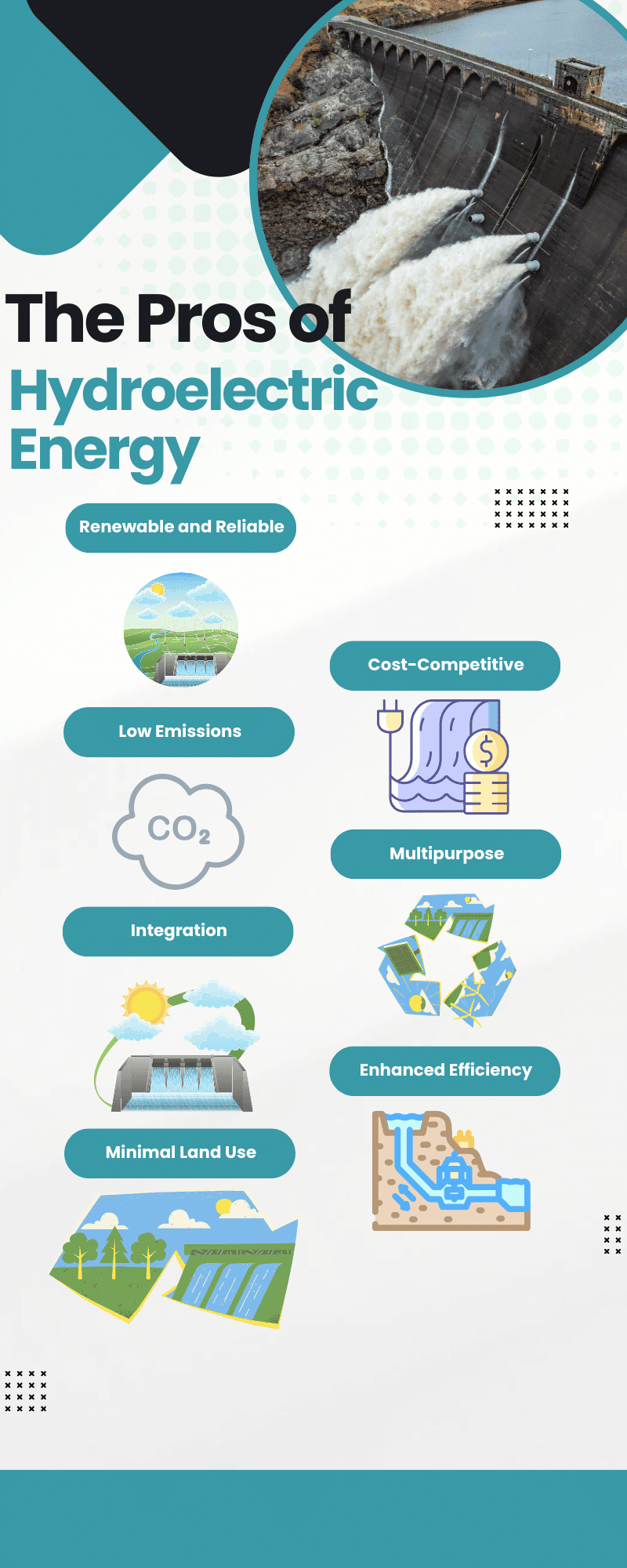
One major win? It's super clean. Unlike burning fossil fuels, hydro plants don't release nasty pollutants into the air. Think of it as the eco-friendly superhero of energy sources!
Renewable Resource Ready
Water is a renewable resource, folks! As long as the rain keeps falling and the rivers keep flowing, we've got power. This makes it a sustainable choice for future generations.
Long-Lasting Power Plants
These plants are built to last. Many hydroelectric dams have been chugging along for decades, reliably producing power. They're like the Energizer Bunny of the energy world – they just keep going and going!
Water Reservoir Wonders
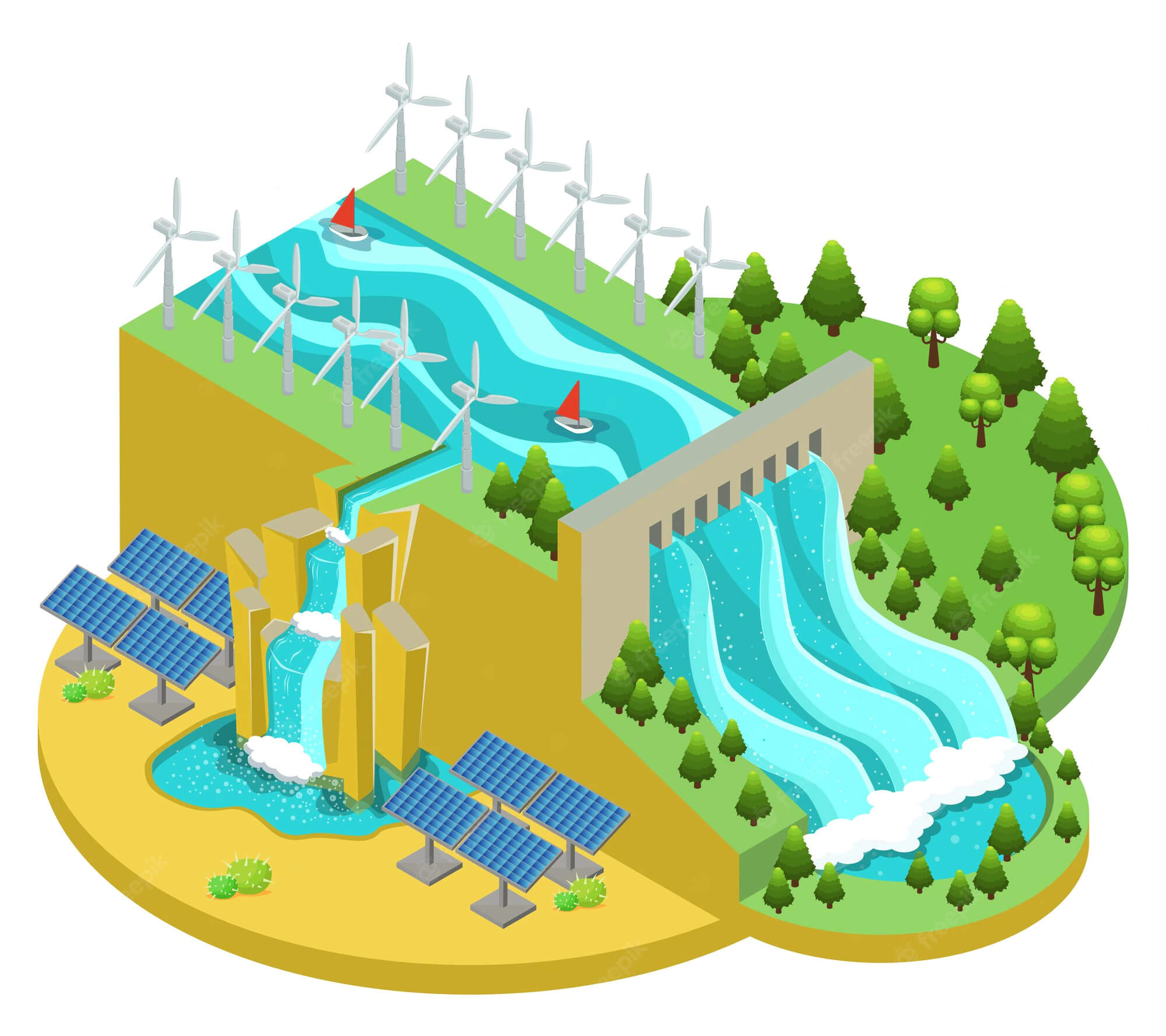
Dams create reservoirs, which are like giant bathtubs! These reservoirs aren't just for power generation. They can also provide water for irrigation, drinking, and even recreation like boating and fishing!
Flood Control Fantastic
Dams can help control floods. By regulating water flow, they can protect communities downstream from devastating deluges. Talk about a multi-tasking marvel!
The "Hmm..." Side of Hydroelectric Power
Okay, so hydroelectric power sounds pretty amazing, right? But, just like everything else, it's not perfect. There are some downsides to consider. Let's take a peek at the "hmmm..." side of things.
Environmental Impacts: A Delicate Balance
Building dams can seriously change river ecosystems. Fish migration can be disrupted, and habitats can be flooded. It's a bit like rearranging a neighborhood – some residents aren't going to be happy.
Habitat Havoc
Creating a reservoir means flooding the land behind the dam. This can displace people and destroy natural habitats. It can impact wildlife and plants living in that area.
Fishy Business
Dams can make it tough for fish to swim upstream to spawn. This can lead to population declines and impact the entire food chain. Engineers are constantly working on solutions like fish ladders to help them out.
Sediment Snafu
Dams trap sediment, which is essential for nourishing downstream ecosystems. This can lead to erosion and impact agricultural lands that rely on that sediment. It's like forgetting to fertilize your garden!
Initial Investment Intimidation
Building a hydroelectric dam is a HUGE undertaking. It requires a massive upfront investment. It's like buying a mansion – the initial cost is pretty staggering.
Location Limitations: Not Everywhere's Ideal
You can't just build a hydroelectric plant anywhere. You need a suitable river with enough water flow and a good location for a dam. It's like finding the perfect spot for a dream house – it's gotta be just right!
A Little More Food for Thought...
So, we've explored the ups and downs of hydroelectric power. But there's always more to consider! Here are a few extra tidbits to chew on.
Pumped Storage Power Plants
These plants are like giant rechargeable batteries for the grid. They pump water uphill to a reservoir during off-peak hours, and then release it to generate power when demand is high. Pretty clever, right?
Run-of-River Hydro
This type of hydro minimizes the impact on the river. It doesn't require a large reservoir and relies on the natural flow of the water. It's like a gentler, more eco-friendly approach to hydropower.
The Future of Hydroelectric
Hydropower is constantly evolving. Engineers are developing new technologies to make it more efficient and environmentally friendly. We might see even more innovative approaches in the future!
Small-Scale Hydro: Thinking Big, Acting Small
Don't underestimate the power of small-scale hydro! These smaller plants can provide power to local communities and reduce reliance on fossil fuels. Think of it as a tiny but mighty energy source!
Balancing Act: Finding the Right Path
The key to responsible hydropower development is finding a balance between energy needs and environmental protection. It's about making smart choices that benefit both people and the planet. It requires careful planning and consideration of all the potential impacts.
The Verdict: Is Hydroelectric Power Worth It?
Hydroelectric power is a complex topic with both benefits and drawbacks. It's a powerful tool, but it needs to be used wisely. It's up to us to consider all the factors and make informed decisions about our energy future.
Hopefully, this has sparked your curiosity about hydroelectric power. It's a fascinating subject with real-world implications. So, next time you flip a light switch, take a moment to think about where that power might be coming from. It could be from the amazing power of water!
Explore the resources available.
"The United States is the fourth-largest producer of hydroelectricity in the world."Don't just take our word for it, there are plenty more resources to discover how hydropower works.
Consider visiting a dam near you for educational tours. Dams can offer educational tours to learn more about its operation and benefits to the community.
Understand the impacts on indigenous communities. Always prioritize understanding the impact dams have on the surrounding environment and the displacement of people.