Powering Our World with Water: A Dam Good Idea? (Or a Dam Shame?)
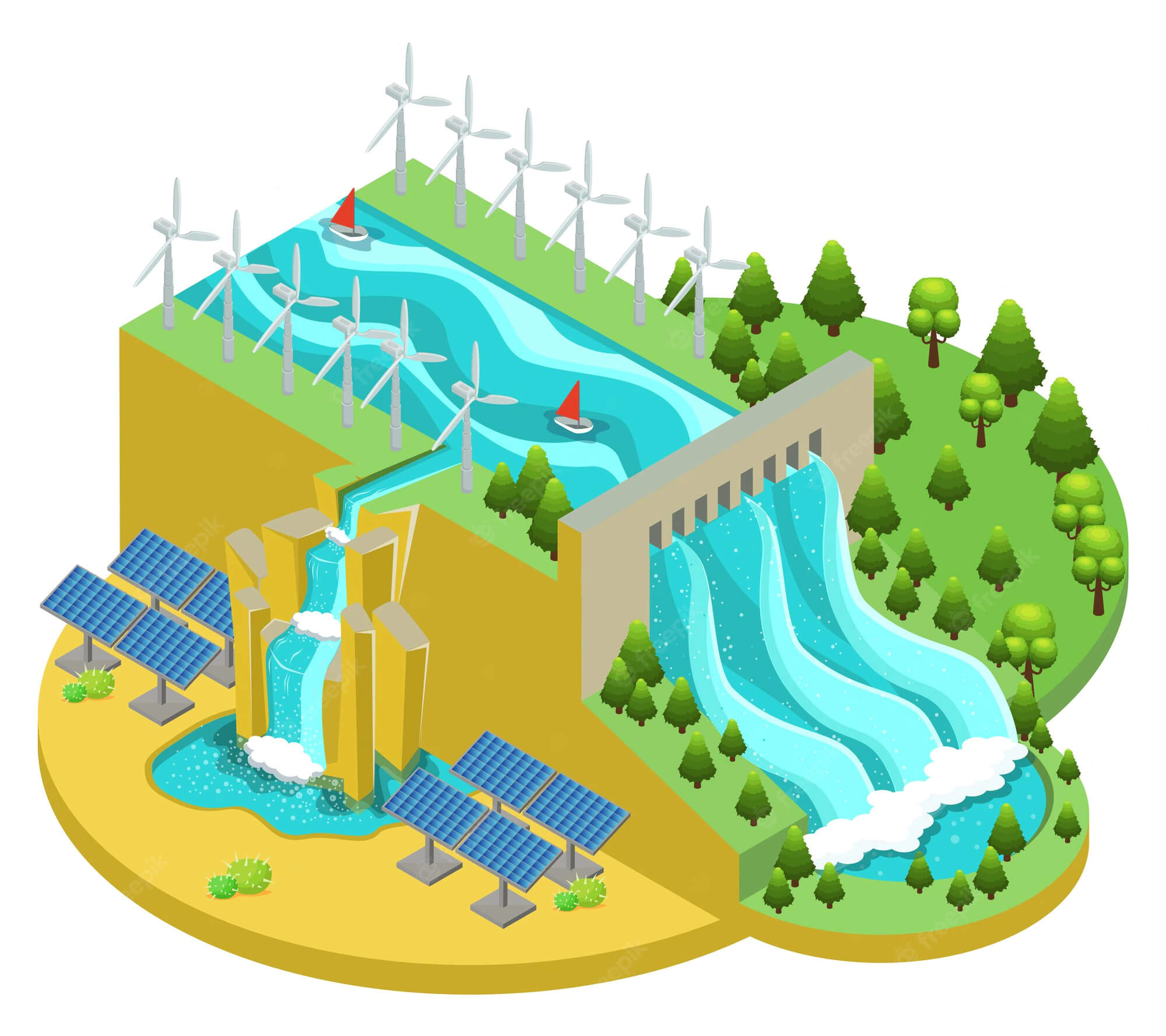
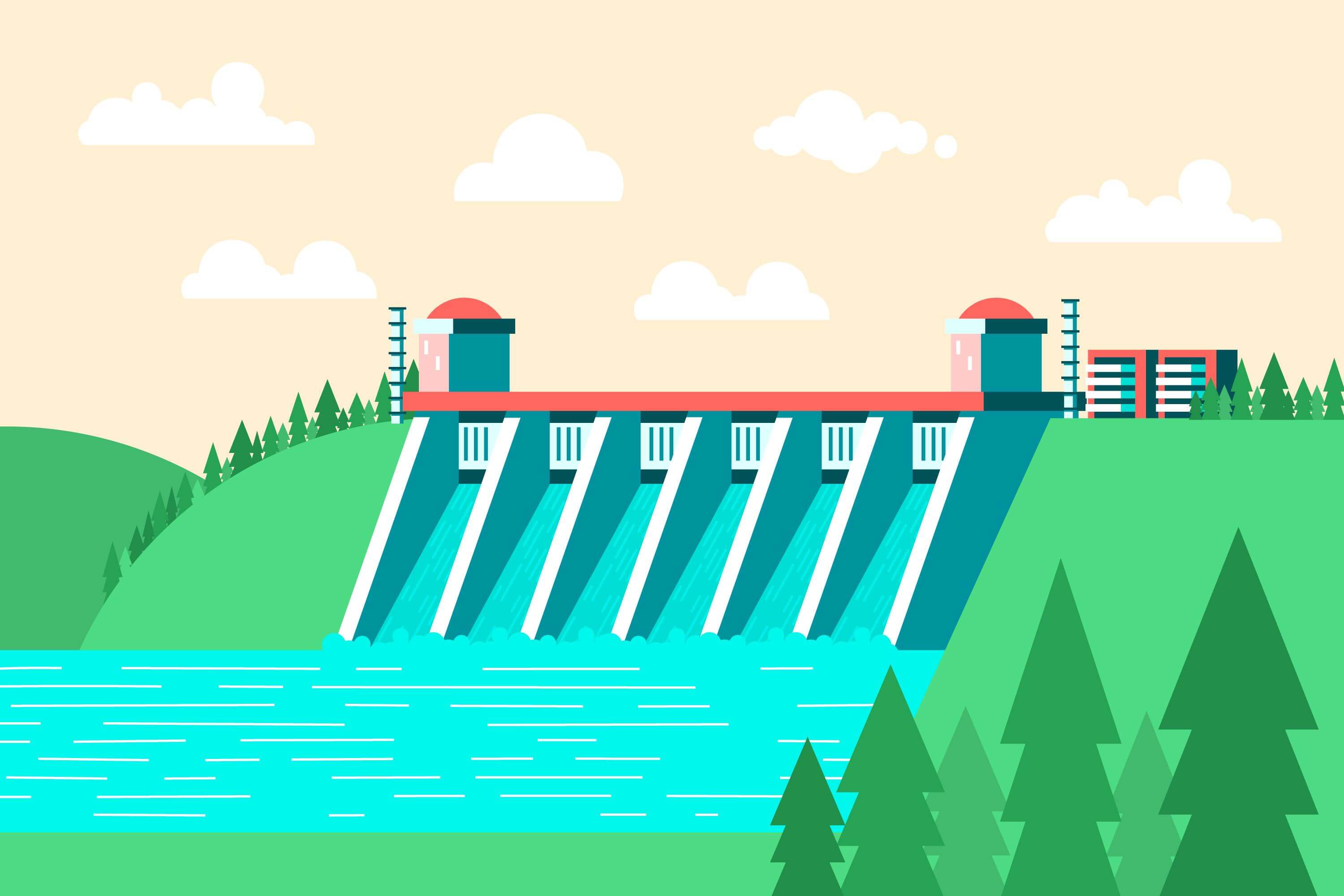
Hydroelectric power! Sounds fancy, right? It's basically using the power of water to make electricity. Think of it as a giant water wheel, but way more high-tech. So, is it a superhero or a supervillain of the energy world?
The Good Stuff: Riding the Wave of Advantages
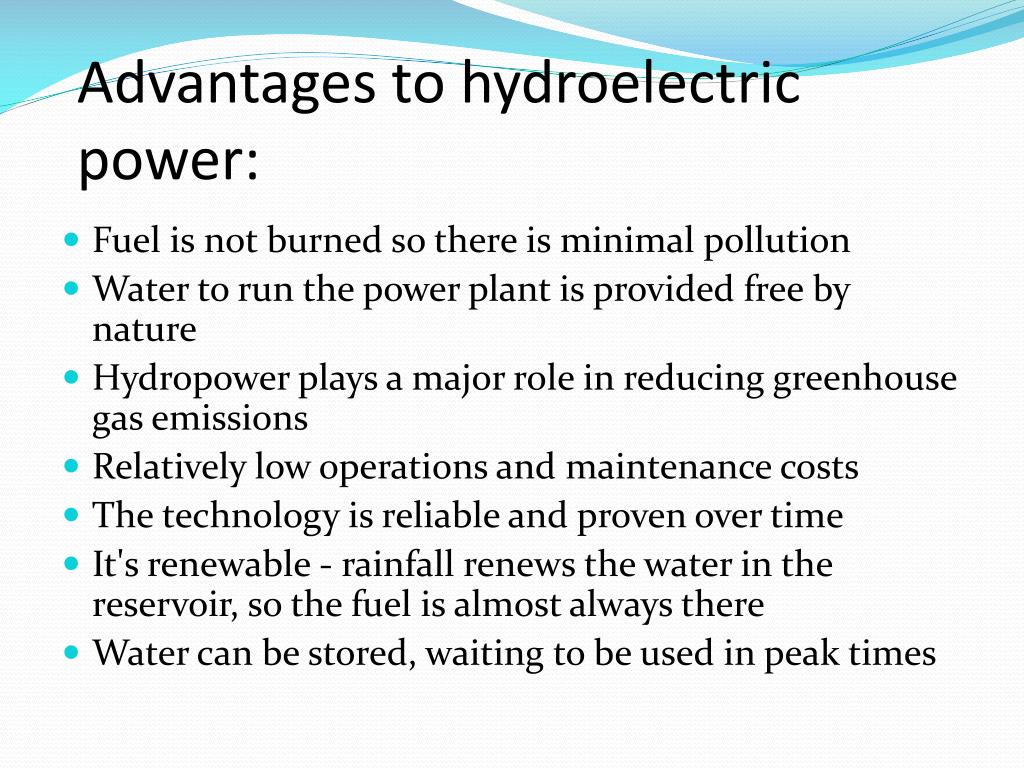
First, the good news! Hydroelectric power is renewable. The water cycle keeps chugging along, meaning we'll (probably) never run out of H2O. Score one for Mother Earth!
It's also clean energy. No smoky factories spewing gunk into the air. Just good old-fashioned water doing its thing. I mean, mostly clean. We'll get to that later.
And let's not forget flood control! Dams can help regulate water flow. This can prevent devastating floods downstream. Bonus points for saving towns and grumpy cats from getting their paws wet.
Plus, instant on! Hydro plants can ramp up electricity production quickly. Need a power surge to watch the season finale of your favorite show? Hydro's got your back.
They are quite efficient, too. Once the dam is built, the cost to maintain it is relatively low. It can be quite a bang for its buck afterall.
Reservoirs created by dams can be used for recreation. Swimming, boating, fishing... it's like a giant, human-made lake. Unless you don't like swimming, boats, or fish. Then it's just a big puddle.
The Not-So-Good Stuff: When Water Gets a Little *Too* Powerful
Okay, time for the downsides. Building dams is... well, a massive undertaking. We're talking tons of concrete, heavy machinery, and potentially disrupting entire ecosystems. Ouch.
And speaking of ecosystems, dams can seriously mess with river habitats. Fish migration? Forget about it. Entire species can be affected. It's like building a giant roadblock in the middle of their highway.
Then there's the displacement of people. Building a dam often means flooding areas where people live. Suddenly, they're forced to relocate. Not exactly a recipe for happy campers. Think of it as a forced vacation they never wanted.
Reservoirs can also release greenhouse gasses. Decaying vegetation under the water releases methane, which is a potent greenhouse gas. So, while it's cleaner than coal, it's not *completely* guilt-free.
Dams are expensive! The initial investment can be staggering. We are talking about needing serious funding to kick it off.
What happens if a dam breaks? Catastrophe! The sheer volume of water released can cause massive flooding and destruction downstream. Imagine the worst water park accident ever, but way more serious.
My (Possibly Unpopular) Opinion: It's Complicated
Look, hydroelectric power isn't perfect. It has some serious drawbacks. But it also offers significant advantages. It really depends on the specific project, the location, and how it's managed.
Is it a clean energy savior? Maybe. Is it an environmental disaster waiting to happen? Potentially. The truth, as always, is somewhere in the muddy middle.
For me, it's like this: I love taking baths. Relaxing, warm water... bliss! But I also know that using too much water is wasteful. So, I try to take shorter baths. Hydroelectric power is similar. We need to use it responsibly and be mindful of its impacts. Think of it as taking a shorter bath for the planet.
Perhaps we need to focus on smaller, run-of-river hydro projects. These have a much smaller impact on the environment. It's like swapping a huge dam for a tiny little water wheel. Less disruptive, more sustainable.
Also, we need to seriously consider the long-term consequences. Before building a dam, we need to ask ourselves: Is it *really* worth it? Are there better alternatives? Sometimes, the answer might be no.
So, the next time you flip a light switch, think about where that electricity comes from. Maybe it's from the sun, the wind, or even… water! And remember, every energy source has its pros and cons. It's up to us to make informed decisions and choose wisely. The future of our planet might just depend on it.
Ultimately,
"Hydroelectric power is a tool. Like any tool, it can be used for good or for ill."The key is to wield it with care, foresight, and a healthy dose of skepticism. And maybe invest in some good flood insurance. Just in case.
Let's consider an example that really hits home. The Three Gorges Dam in China. It's the world's largest power station. It produces a massive amount of electricity but displaced over a million people. A massive feat but it certainly came with a cost.
Now, consider small hydro projects in the Alps. These often integrate seamlessly into the environment. They provide local power with minimal disruption. A perfect example of responsible hydroelectric power.
The future of hydroelectric power isn't about building bigger and better dams. It's about finding smarter and more sustainable ways to harness the power of water. It's about balancing our energy needs with the needs of the environment. It's about taking those shorter baths for the planet.
Maybe the real question isn't whether hydroelectric power is good or bad. But whether we can use it responsibly and sustainably. Are we up to the challenge? I sure hope so. After all, the fate of our rivers – and our planet – might just depend on it.
Think about it: if we managed this well, we might not need to consider building anymore of those crazy dams!