Ever stood next to a rushing river and felt its raw power? Or maybe you've just flipped a light switch without a second thought about where that electricity comes from? Well, let's dive into a fascinating source of power that harnesses that watery energy: hydro energy, also known as hydroelectric power. It's a topic that's not just important, but pretty cool too, because it taps into the natural world to keep our lives humming along.
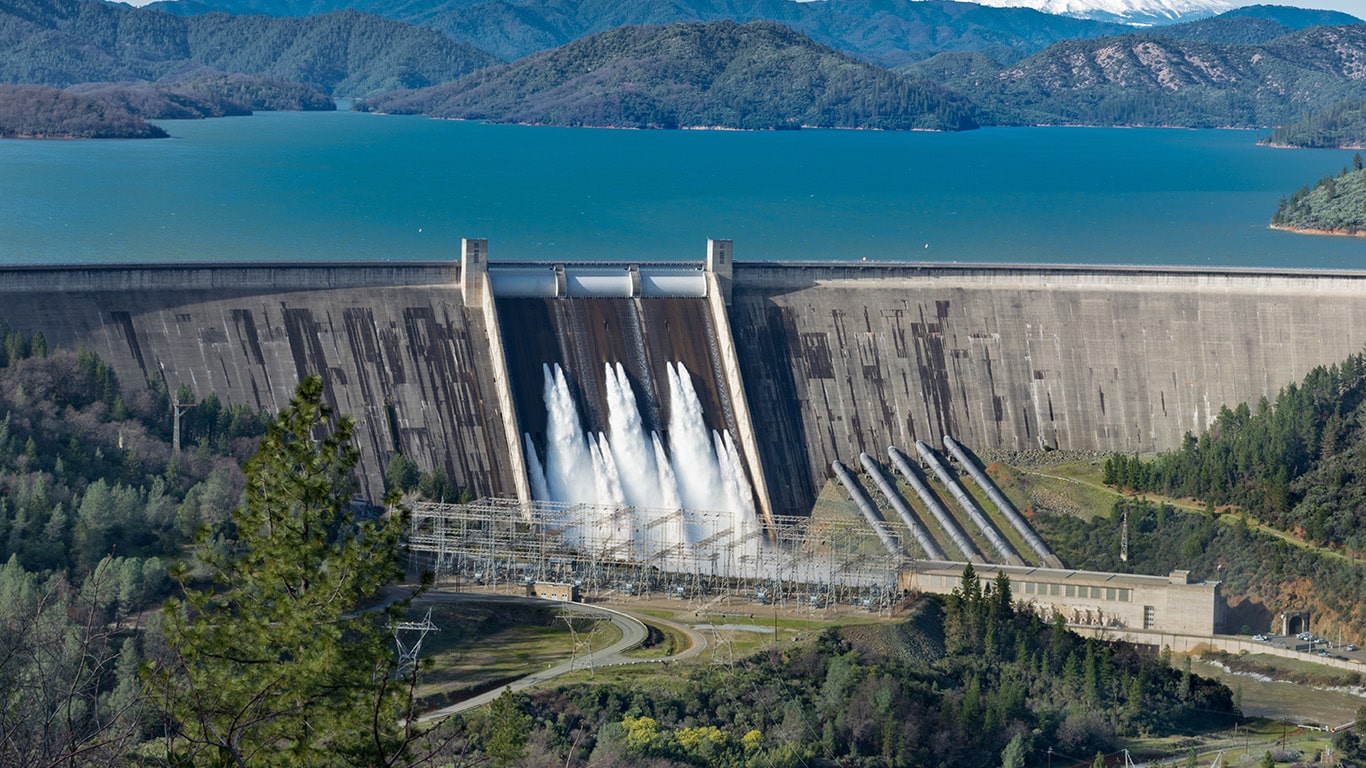
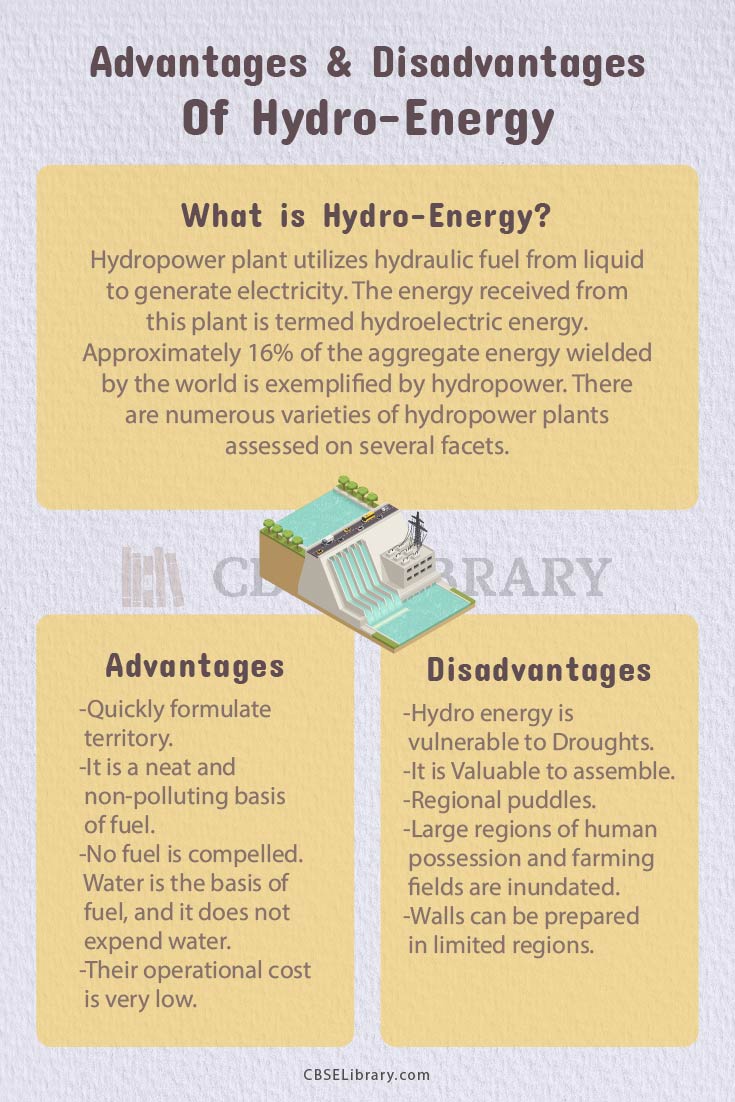
So, what exactly *is* hydro energy? Simply put, it's electricity generated from the power of moving water. Think of it as a really sophisticated water wheel. Dams are often built to create reservoirs, storing vast amounts of water. This water is then released, flowing through turbines that spin, and those spinning turbines power generators that create electricity. The core benefit is that it's a renewable resource. As long as the water cycle keeps going (and it has for a very long time!), we'll have a source of energy. Another advantage is its relatively high efficiency. Hydroelectric plants can convert a large percentage of the water's energy into electricity, making it a potent and reliable power source.
You've likely encountered hydro energy more often than you realize. Think about a simple science experiment in school demonstrating how water can turn a small wheel – that's a basic illustration of the principle. On a larger scale, many homes and businesses are powered by electricity generated at massive hydroelectric dams like the Hoover Dam in the United States or the Three Gorges Dam in China. Even your phone charging might be powered by hydro energy, depending on where you live! Hydropower is a key player in balancing the electricity grid, providing a stable and predictable source of power.
But, like everything, hydro energy isn't perfect. One of the biggest disadvantages is its environmental impact. Building dams can flood vast areas of land, displacing communities and disrupting ecosystems. Fish migration patterns can be severely affected, leading to population declines. Furthermore, the construction of dams can alter water flow, affecting downstream habitats and water availability. The initial cost of building a hydroelectric plant can also be extremely high, requiring significant investment and long-term planning.
So, how can you explore hydro energy further? Start by researching the hydroelectric dams in your region. What are their benefits and drawbacks? Are there any debates surrounding their operation or impact? Even simpler, watch a documentary about a major dam and consider the complex issues involved. Look up the power generation mix in your area – how much of your electricity comes from hydro? Understanding where your energy comes from is the first step towards making informed decisions about our energy future. You can also explore the concept of micro-hydro, which uses small-scale water sources to generate electricity for individual homes or communities. It’s a fantastic way to see the power of water in action on a smaller, more manageable scale. Engage with the topic, ask questions, and consider the balance between the benefits and the environmental costs. The future of energy depends on informed and engaged citizens!