Ever feel like Mother Earth is just one giant, untapped radiator? Well, you're not entirely wrong! That's essentially what geothermal energy is all about: tapping into the Earth's internal heat to power our lives. But, like any good superhero (or supervillain, depending on your perspective), geothermal energy has its strengths and weaknesses.
The Geothermal Gold: Digging into the Advantages
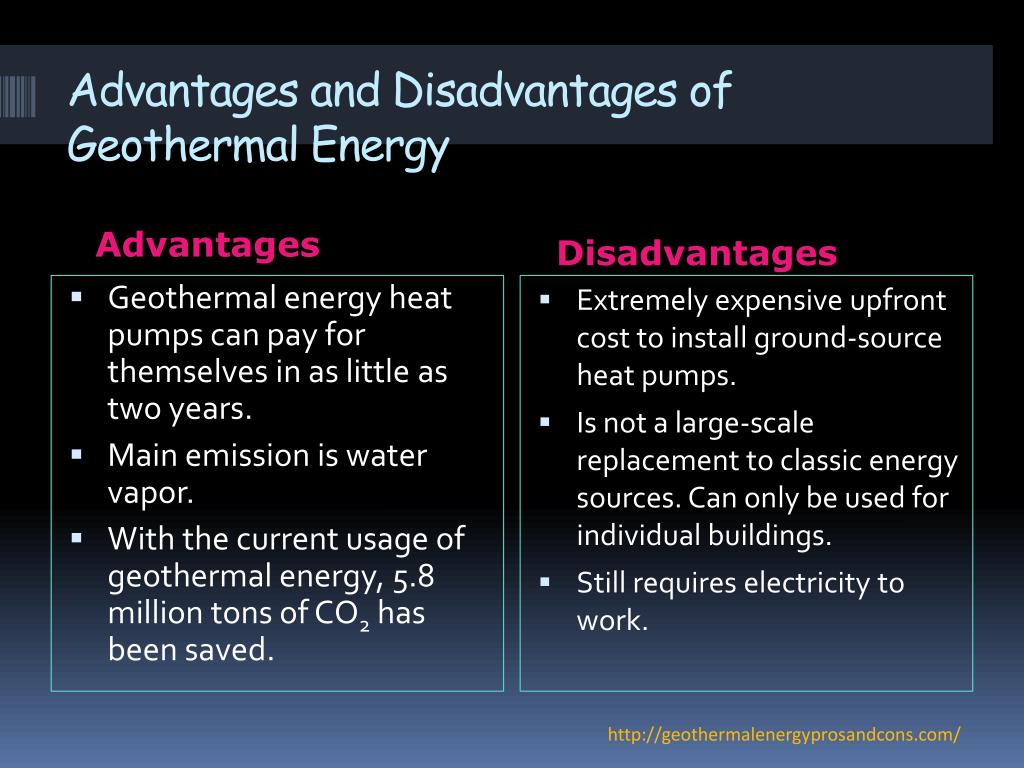
Let's start with the good stuff. Geothermal energy is a renewable energy source. Think of it as the Earth's never-ending gift – a warmth that keeps on giving, unlike that fruitcake your Aunt Mildred insists on gifting every year.
Clean Energy, Happy Planet
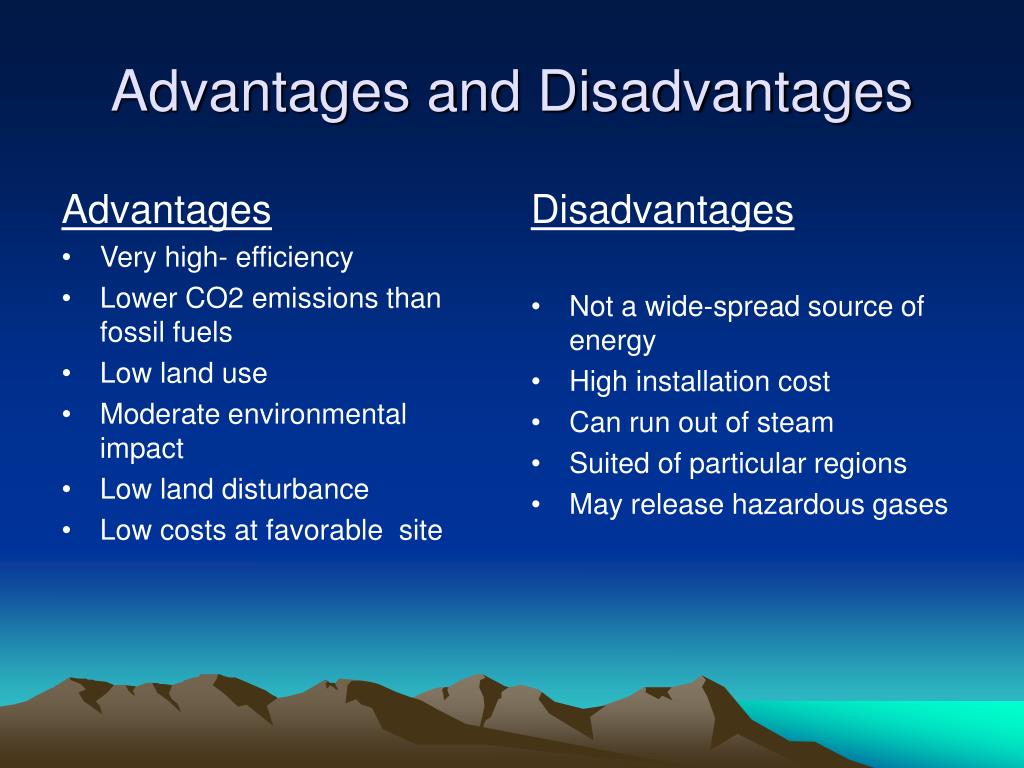
One of the biggest wins for geothermal is that it's incredibly clean. Unlike fossil fuels, geothermal plants produce very little greenhouse gas emissions. It's like switching from a smoky, gas-guzzling monster truck to a sleek, silent electric car for the planet.
That makes it a fantastic option for combating climate change. It is a sustainable alternative that can help reduce our carbon footprint.
Reliable, Like Your Grandma's Recipes
Geothermal energy is also incredibly reliable. The Earth's core doesn't take days off. Unlike solar or wind power, which are dependent on the sun shining or the wind blowing, geothermal energy is available 24/7, 365 days a year.
Imagine always having a steady power source! It is like having a friend who's always there when you need them.
Small Footprint, Big Impact
Geothermal plants generally have a small footprint compared to other power plants. They don't require vast swaths of land, meaning we can minimize the impact on ecosystems and leave more room for, say, adorable puppy parks.
This concentrated power is a big advantage.
Heating and Cooling, Year-Round Comfort
Geothermal isn't just for electricity generation. Geothermal heat pumps can be used for heating and cooling homes and buildings. These pumps leverage the Earth's constant temperature just a few feet below the surface, providing efficient and cost-effective climate control. It's like having a built-in thermostat that's always working to keep you comfy.
Imagine having summer coolness and winter warmth without breaking the bank.
The Not-So-Hot Stuff: Disadvantages of Geothermal
Okay, so geothermal isn't perfect (nobody is, not even Chris Hemsworth). There are a few downsides to consider before we crown it king of the energy sources.
Location, Location, Location!
One of the biggest limitations is that geothermal resources aren't evenly distributed around the world. You can't just drill anywhere and expect to strike geothermal gold. The most productive geothermal areas are typically found near volcanic activity, tectonic plate boundaries, or regions with naturally occurring hot springs.
It is similar to finding a hidden treasure, you need to know where to dig. Places like Iceland, New Zealand, and parts of the United States are geothermal hotspots, while other areas are, well, geothermal cold spots.
Upfront Costs: Ouch!
The initial cost of building a geothermal power plant can be pretty steep. Drilling deep into the Earth and constructing the necessary infrastructure requires significant investment. It's like buying a really fancy espresso machine; you might get amazing coffee every day, but the initial price tag can sting.
It is a significant financial hurdle.
Induced Seismicity: Shake It Off?
In rare cases, geothermal activity can induce minor earthquakes. This is caused by injecting water into the ground to enhance geothermal resource extraction. While the risk is generally low, it's a concern that needs to be carefully managed and monitored. Think of it as the geothermal power plant having a bit of indigestion every now and then.
No one wants surprise tremors, right?
Sustainability Concerns: Not Always Renewable?
While geothermal is generally considered renewable, it's not always sustainable. If geothermal resources are extracted faster than they can be replenished, they can eventually deplete. Careful management and monitoring are crucial to ensure the long-term viability of geothermal projects. We need to be responsible and avoid over-extracting this valuable resource.
It is important to treat it like a precious resource.
Environmental Impact: Not Always a Walk in the Park
Geothermal development can have some environmental impacts. Geothermal fluids can contain dissolved minerals and gases that need to be carefully managed to prevent pollution. There can also be some land disturbance during construction and operation of geothermal facilities.
It is important to mitigate these impacts.
The Future is Hot (and Maybe Geothermal!)
Despite its limitations, geothermal energy holds immense potential as a clean and reliable energy source. As technology advances, we can expect to see improvements in geothermal exploration, drilling, and resource management, making it more accessible and sustainable.
Geothermal energy is more than just a source of power. It represents a connection to the Earth and a commitment to a cleaner energy future.
So, the next time you see a plume of steam rising from the ground, remember that it might just be the Earth's way of saying, "I've got the power!" And maybe, just maybe, geothermal energy will play a starring role in powering our world for generations to come.