Ever wonder how those giant spinning windmills you see on hillsides actually work? Or whether they're really as "green" as everyone says? Wind turbines, or windmills as many of us still call them, are a hot topic, and understanding them is more relevant than ever as we search for cleaner energy sources. So, let's dive into the wonderful world of wind power and explore its ups and downs!
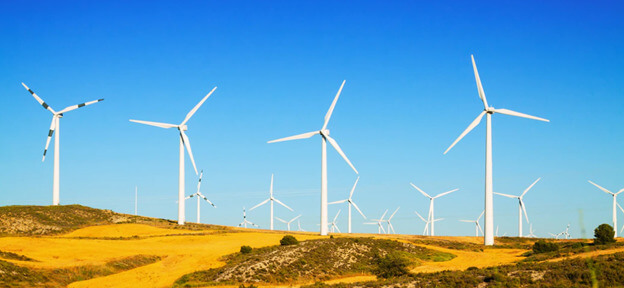
At its heart, a wind turbine is a pretty simple machine. It's designed to capture the kinetic energy of the wind – that’s the energy of the wind moving – and convert it into electricity. The wind spins the blades, which are connected to a generator inside the turbine. This generator then produces electricity that can be fed into the power grid, bringing power to our homes, schools, and businesses. The basic purpose is to replace electricity generated by burning fossil fuels, like coal and gas.
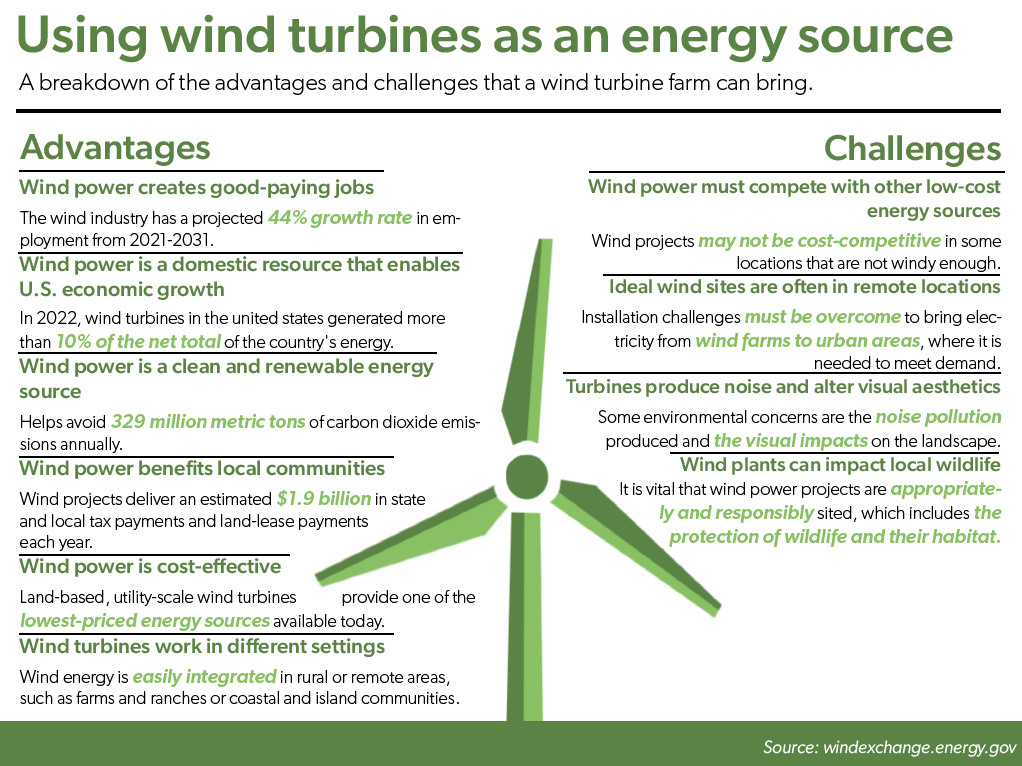
What are the benefits? Well, they're pretty significant! Firstly, wind energy is a renewable resource. The wind will (probably) keep blowing forever, which means we're not depleting a limited supply like we do with fossil fuels. Secondly, wind power is much cleaner than fossil fuels. Once the turbine is built, it produces electricity with virtually no pollution. No greenhouse gases contributing to climate change, no nasty air pollutants harming our health. It's a win-win (mostly!). Plus, wind farms can be built on land that can still be used for other purposes, like farming or grazing livestock. Think of it as shared space!
However, no energy source is perfect, and wind turbines have their drawbacks too. Let's start with the most obvious: visual impact. Some people find wind farms unsightly and disruptive to the landscape. It's a matter of personal opinion, but large wind farms can definitely alter the scenery. Then there's the noise. Wind turbines do make a whooshing sound as the blades turn, which can be annoying to people living nearby. Technological advancements are reducing this noise, but it's still a factor.
Another challenge is intermittency. The wind doesn't always blow, so wind turbines don't always generate electricity. This means we can't rely solely on wind power; we need other sources to ensure a stable and reliable electricity supply. This is where energy storage solutions (like batteries) and smart grids come in, helping to smooth out the fluctuations in wind power. Also, wind turbines can pose a threat to wildlife, particularly birds and bats. Careful placement and design can help minimize this risk, but it's an ongoing concern.
Finally, there's the initial cost of construction. Building a wind farm requires a significant investment, although the operating costs are relatively low once it's up and running. Overall, wind turbines offer a valuable way to generate clean electricity, but it’s crucial to weigh the advantages and disadvantages carefully and consider the specific local context.