Okay, let's talk nuclear energy. It sounds all sci-fi and maybe a little scary, right? Like something out of a movie where scientists in white coats are always on the verge of accidentally destroying the world. But stick with me! It's actually a pretty important topic, and understanding it helps us make smart choices about our future energy needs. Think of it like deciding what to eat for dinner – there are pros and cons to everything!
The Shiny Side: Advantages of Nuclear Energy
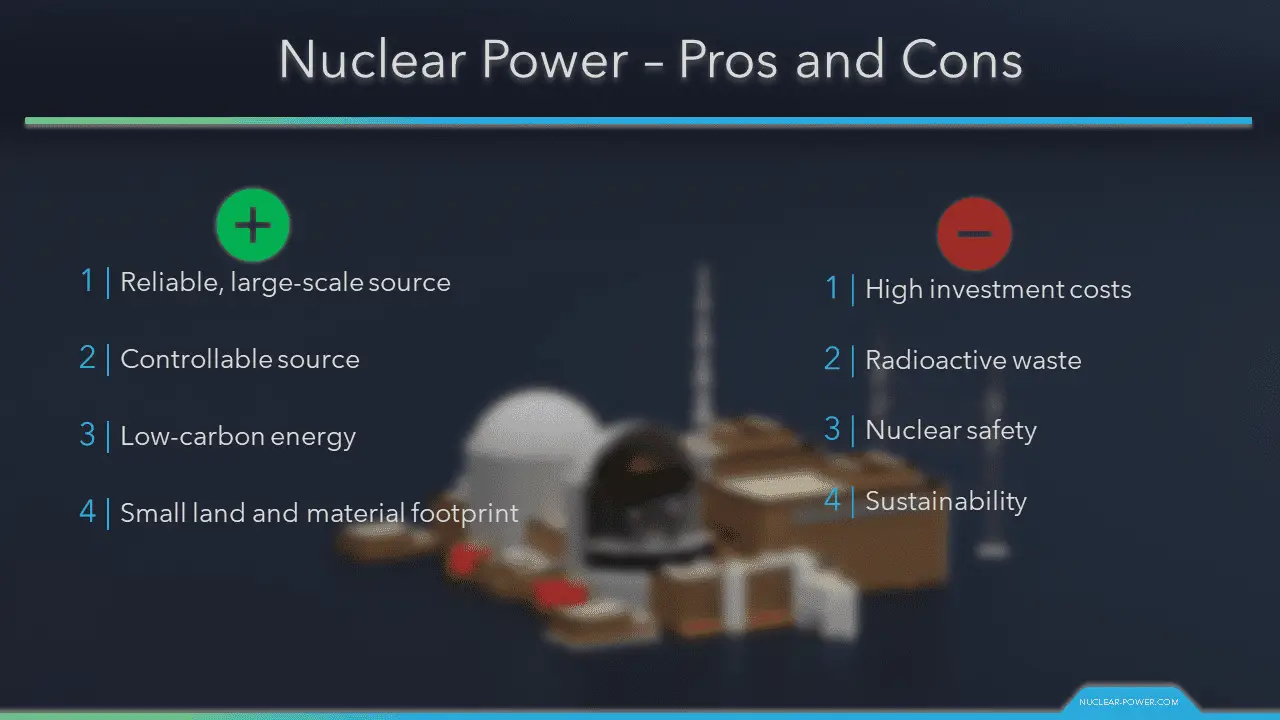
First up, the good stuff! Imagine your electric bill suddenly shrinking. That's partly what nuclear energy can do. One of the biggest advantages is that it's a **really efficient** way to generate electricity. A small amount of uranium fuel can produce a massive amount of power. Think of it like this: a tiny, itty-bitty chocolate chip cookie providing enough energy to power your entire house for a week! Okay, maybe not *that* extreme, but you get the idea!
And get this: unlike burning fossil fuels (coal, oil, and gas), nuclear power plants don't produce a ton of air pollution. No smoggy skies! No contributing to respiratory problems! It's like choosing to walk to the grocery store instead of driving – better for the environment and better for you! It generates **cleaner energy**, which is super important in fighting climate change.
Another big plus? Nuclear power plants are **reliable**. They can run pretty much all the time, unlike solar panels which need sunshine, or wind turbines that need… well, wind! Think of it like having a super dependable friend who's always there when you need them. This consistent energy output is essential for keeping the lights on, especially during those freezing winter nights or sweltering summer days when everyone cranks up their air conditioning.
Beyond just electricity, nuclear technology has other applications too! From medical imaging that helps doctors diagnose illnesses (like X-rays and MRIs) to food irradiation that helps keep our fruits and vegetables fresh longer, the benefits are wider than you might initially think. It's kind of like that Swiss Army knife you keep in your drawer – you never know when it might come in handy!
The Not-So-Shiny Side: Disadvantages of Nuclear Energy
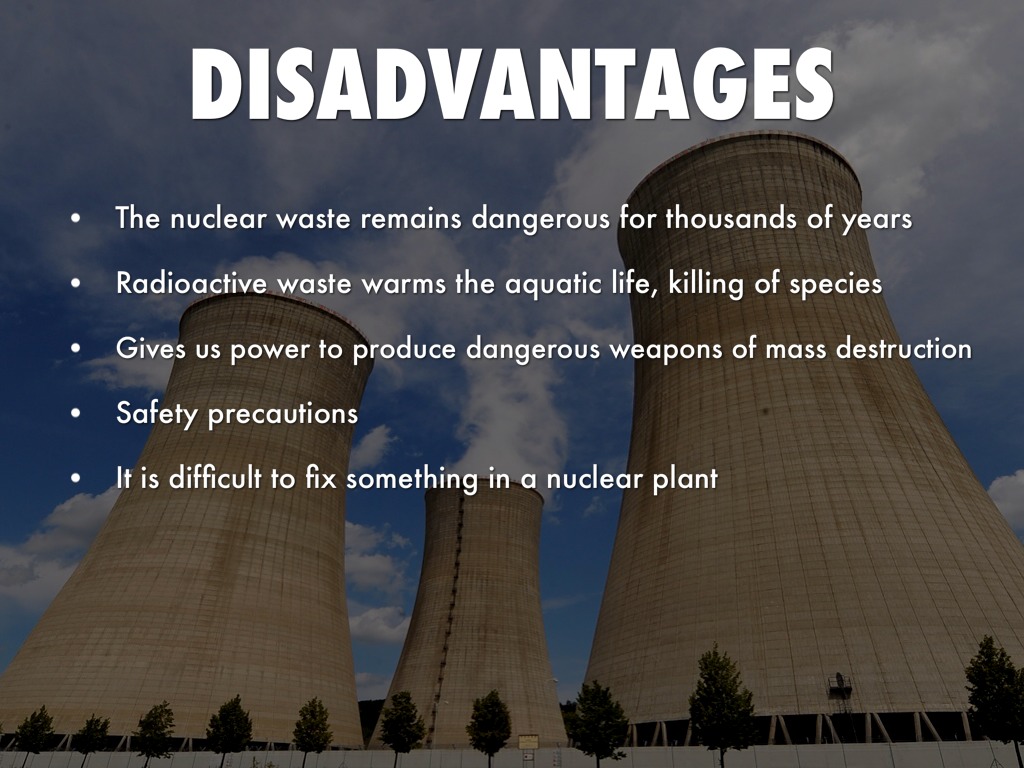
Now, let's be real. Nothing's perfect, and nuclear energy has its downsides too. Probably the biggest concern, and the one that pops into everyone's head, is the issue of **nuclear waste**. The used nuclear fuel is radioactive and needs to be stored safely for thousands of years. Finding safe and permanent storage solutions is a big challenge, and it's something scientists and engineers are working hard to solve. It's like trying to find the perfect place to hide something valuable – you want to make sure it's safe and secure for a long, long time.
Then there's the risk of accidents. We all remember Chernobyl and Fukushima, and those events understandably make people nervous. While modern nuclear power plants have much stricter safety measures, the potential for accidents is always there. This is similar to driving a car – you know there's a risk of an accident, but you wear a seatbelt and follow the rules of the road to minimize that risk.
Building a nuclear power plant is **incredibly expensive**. It takes a lot of time, money, and resources to design, construct, and operate one. This high upfront cost can be a barrier to entry, especially for developing countries. It's like deciding whether to buy a brand-new car or a used one – the new one has all the bells and whistles but costs a lot more!
And sadly, nuclear materials could, theoretically, be used to create weapons. Keeping nuclear materials secure and preventing their proliferation is a major international concern. It's like keeping dangerous chemicals locked up tight so that they can't be used for harm.
Why Should You Care?
So, why should you, a regular person living your life, care about all this nuclear energy stuff? Because **energy affects everything**! It powers our homes, our schools, our hospitals, and pretty much everything we do. Choosing the right energy sources is crucial for a sustainable future. By understanding the pros and cons of nuclear energy, we can have informed conversations about how to meet our energy needs while minimizing environmental impact and ensuring our safety. It's like making informed decisions about your health – the more you know, the better choices you can make!
Ultimately, the decision about whether or not to use nuclear energy is a complex one with no easy answers. It involves weighing the benefits of clean, reliable power against the risks of waste disposal and accidents. But by understanding the facts, we can all participate in this important conversation and help shape a cleaner, brighter future. So next time you flip a light switch, take a moment to think about where that power comes from and the choices we can make to power our world responsibly.