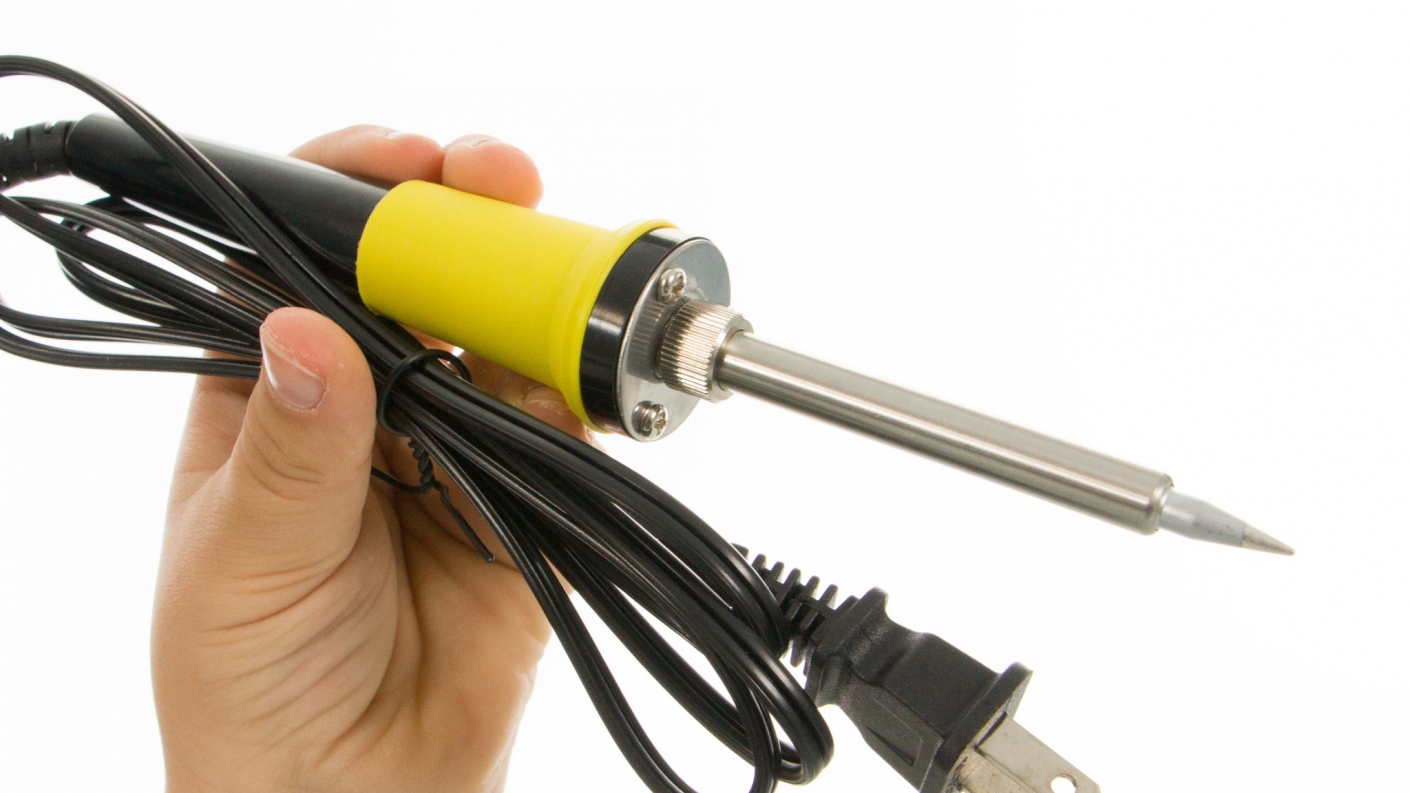
Alright, gather 'round, folks! Let's talk soldering irons. You know, those wand-like things that look like they belong in a wizard's toolkit, but are actually way more practical (unless your wizard specializes in fixing toasters, then maybe it's both).
So, what are these fiery pokers used for? Well, at their most basic, soldering irons are all about making things stick together. Not with glue, mind you, but with molten metal magic. Think of it as a really, really intense form of metal friendship, forged in the heat of… well, a soldering iron.
Electronics: The Soldering Iron's Natural Habitat
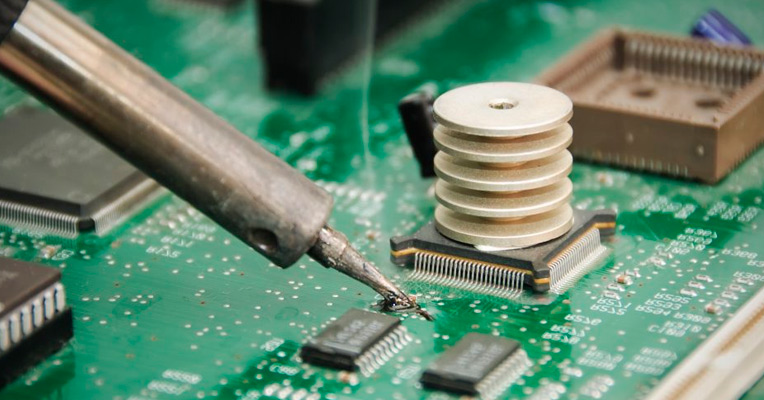
The soldering iron's main gig is in the world of electronics. Picture a circuit board – that green thing with all the shiny trails and tiny components clinging on for dear life. Those components are held in place with solder, a low-melting-point alloy (usually tin and lead, but lead-free options are becoming increasingly popular for obvious reasons – nobody wants to solder with something that's going to make them crave brains).
Basically, the soldering iron heats up the component lead and the pad on the circuit board, you apply the solder, it melts, it cools, and BAM! You've got a solid connection. This is how you build, repair, and modify everything from your smartphone to your guitar amplifier (because shredding requires meticulously crafted circuitry!).
Ever wonder why your TV remote suddenly stops working? Odds are, a solder joint has cracked. This is when a soldering iron comes to the rescue! It's like being a tiny metal surgeon, reattaching vital arteries to bring your device back from the brink of electronic death. Dramatic, I know, but accurate!
Beyond the Circuit Board: Unexpected Soldering Adventures
But soldering isn't just for electronics nerds (though, let's be honest, electronics nerds are pretty awesome). Soldering irons have a surprising range of applications. Think of them as the duct tape of the electrical world, but with more precision and less stickiness.
Jewelry making: Soldering can be used to create intricate jewelry pieces. It's how jewelers join different metal components together, creating those stunning necklaces, bracelets, and earrings that you... uh... occasionally treat yourself to. (Don't worry, we won't tell your bank account.)
Plumbing (Sometimes): Okay, this is where things get a little tricky. While soldering can be used to join copper pipes, especially in older plumbing systems, it's usually the domain of specialized torches and different types of solder. Using a soldering iron on a main water line is generally a bad idea. Unless you enjoy indoor waterfalls. In which case, go nuts! (But seriously, don't.)
Stained Glass: Creating beautiful stained-glass windows and decorations relies heavily on soldering. The solder is used to join the individual pieces of glass together, creating a dazzling mosaic of light and color. Think of it as a medieval-era pixel art, brought to life with molten metal.
Automotive Repair: Need to fix a loose wire in your car's electrical system? Soldering can be your best friend. Just be sure to disconnect the battery first. Trust me on this one. Sparks + gasoline = a really bad day.
Soldering Iron Safety: Don't Be a Statistic!
Now, a word of warning, folks. Soldering irons get hot. Like, really, really hot. Hot enough to melt metal, which is pretty impressive but also means they can melt skin. So, treat them with respect.
Always use a soldering iron stand to rest the iron when you're not using it. Don't leave it lying around on your workbench, unless you want to accidentally brand your cat (please don't brand your cat). Wear eye protection – molten solder has a nasty habit of splattering. And work in a well-ventilated area – breathing in solder fumes is generally frowned upon by your lungs.
Choosing Your Weapon: Types of Soldering Irons
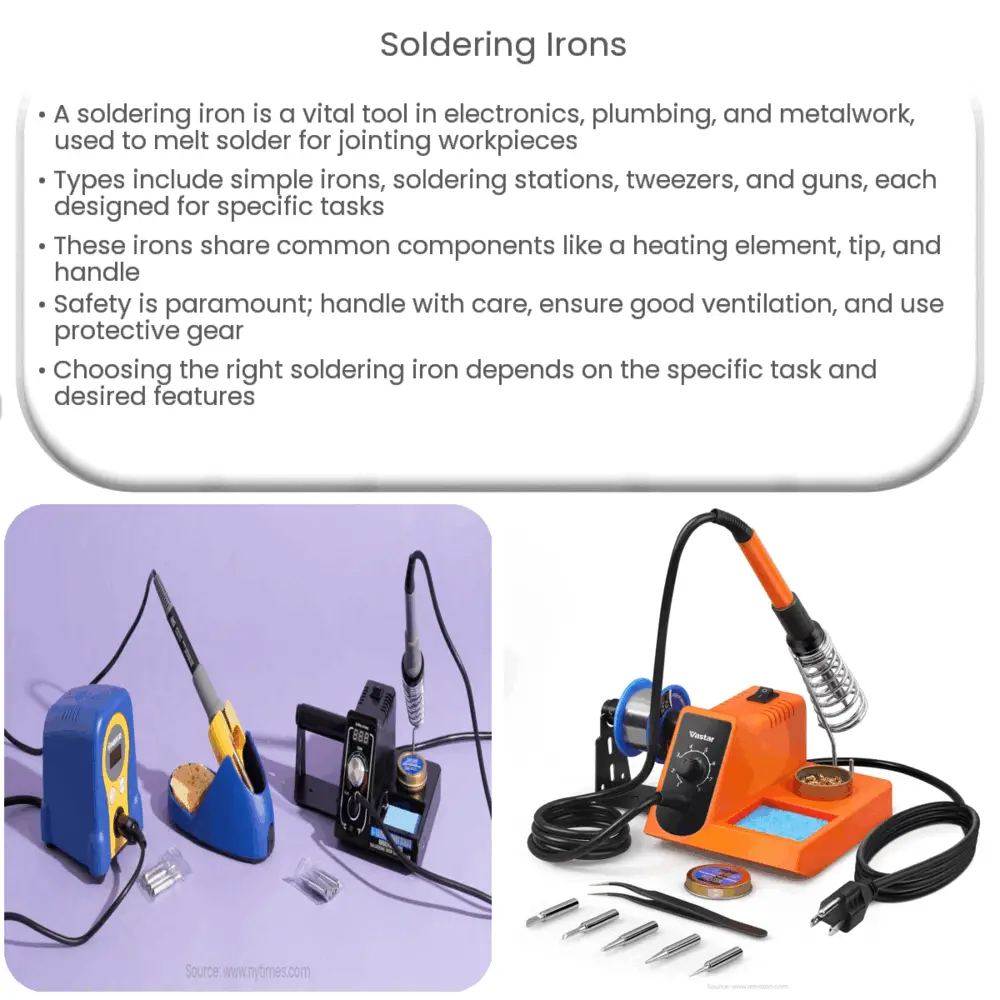
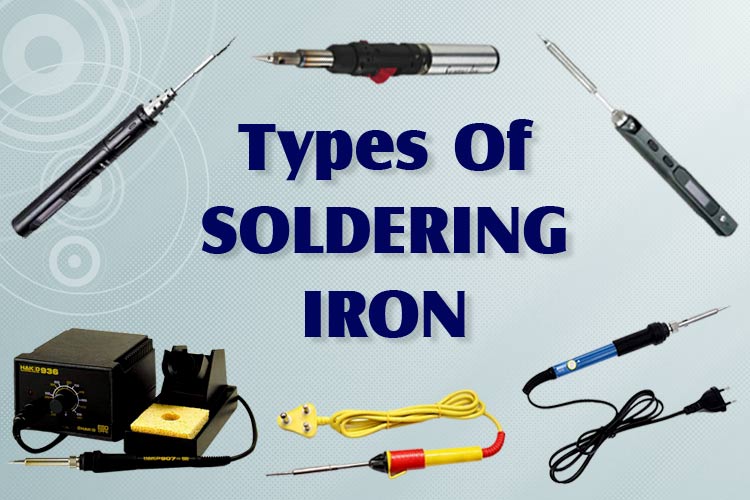
Just like wands, soldering irons come in different shapes and sizes. There are basic soldering irons, soldering stations with temperature control (for the serious solderers), and even cordless soldering irons for those times when you need to solder in the middle of nowhere. (Perhaps you're a secret agent who needs to fix a crucial piece of technology in a remote jungle hideout? Just spitballing here.)
Ultimately, the best soldering iron for you depends on what you're planning to do with it. If you're just fixing the occasional broken wire, a basic soldering iron will do the trick. But if you're planning on building complex electronic projects, a soldering station with temperature control is a worthwhile investment.
So, there you have it! The amazing, versatile, and potentially dangerous world of soldering irons. Now go forth and solder! Just remember to be careful, have fun, and don't blame me if you accidentally set your kitchen on fire. Happy soldering!