Okay, picture this: me, last summer, sweating buckets trying to inflate a giant flamingo pool floaty. I'm puffing and panting, finally get it almost full, then *poof* - the valve gives way. All that effort, gone in seconds! That's kind of how I started thinking about resources, you know? Some are like that flamingo, seemingly endless until...bam! Empty. Others are like, I don't know, the sun, always shining (even when you wish it wouldn't on a 90-degree day while inflating pool toys!). That got me thinking about renewable and nonrenewable resources, and I figured you might be curious too.
So, what's the deal? Basically, we're talking about where the stuff we use comes from and how long it'll stick around. Think of it as the ultimate "supply chain" question.
Renewable Resources: The Gifts That Keep on Giving (Hopefully)
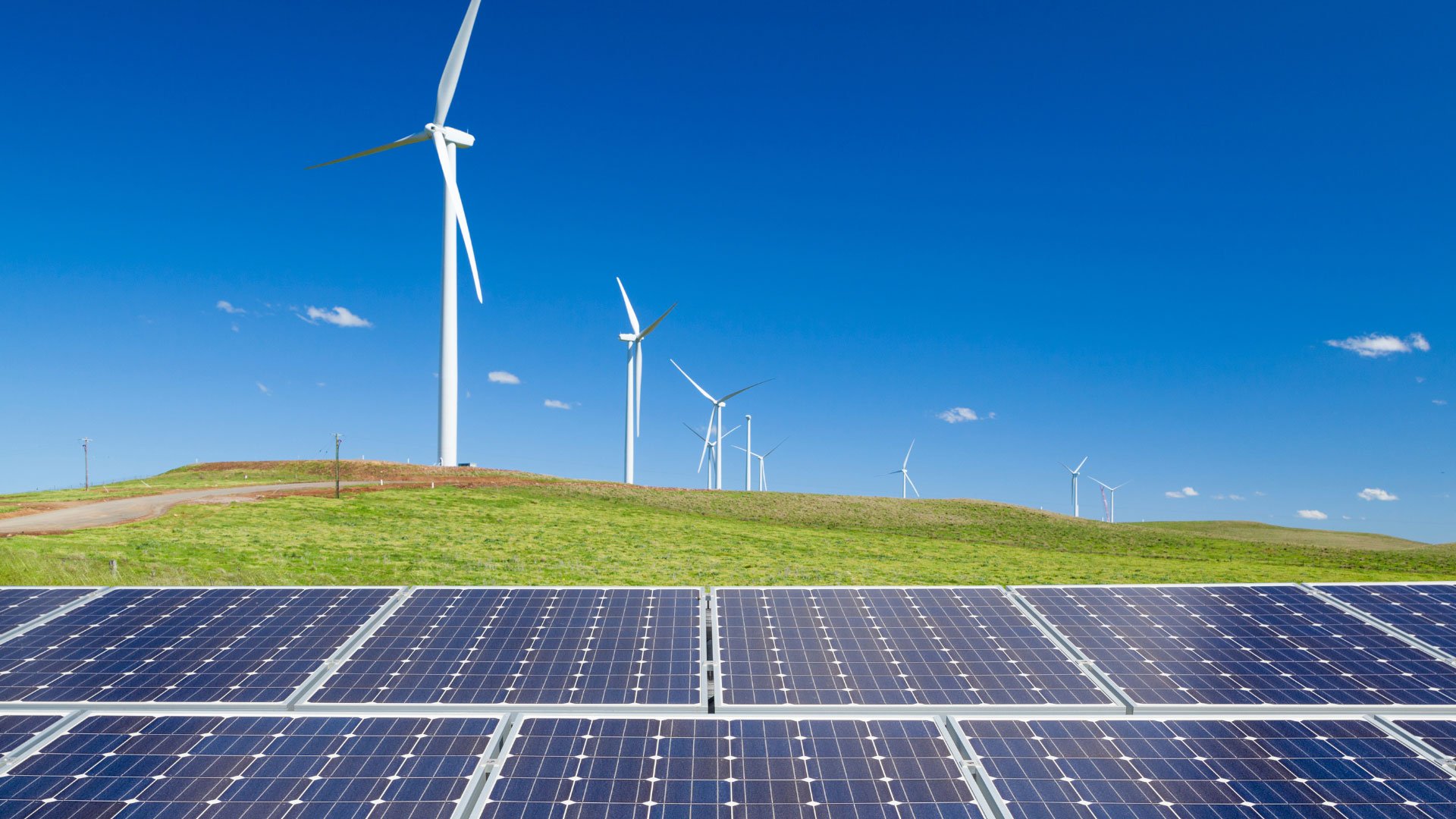
Renewable resources are, as the name suggests, things that can be replenished naturally over a relatively short period. We're talking about things like solar power, wind power, water, and even biomass (that's fancy talk for stuff like wood and crops).
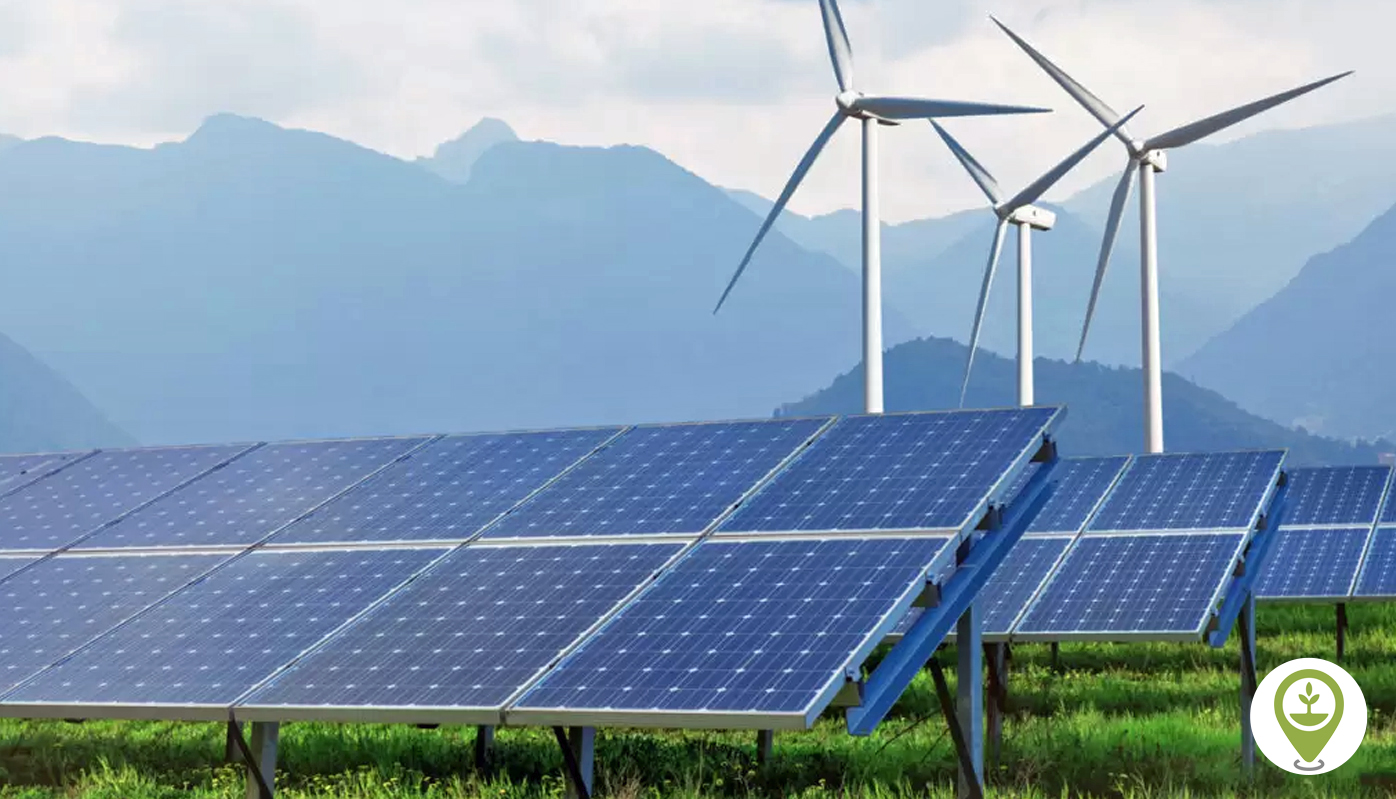
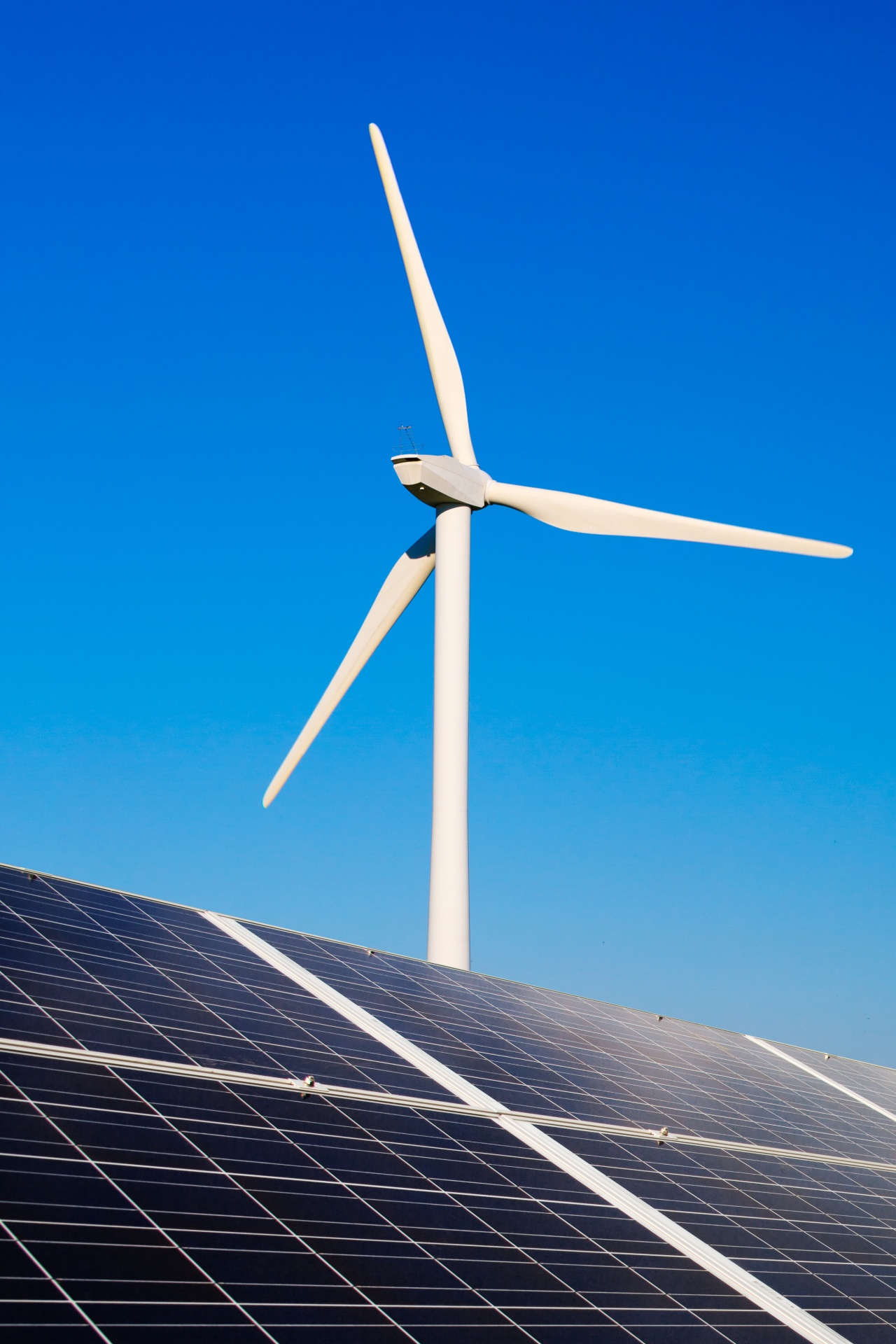
Solar Power: Think of those solar panels everyone's putting on their roofs. They grab sunlight, which is pretty much *always* available (unless you live in, like, Seattle in November, then, well, good luck!). And the sun, last time I checked, isn't going anywhere anytime soon. Unless, you know, some cosmic event that scientists haven't warned us about yet happens. Then we're all in trouble anyway!
Wind Power: Those giant windmills you see dotting the landscape? They're harnessing the power of the wind. And guess what? The wind *also* tends to keep on blowing. Maybe not *always* where you need it, but globally, it's a pretty consistent resource.
Water: Rain, rivers, lakes... essential for life and a surprisingly good source of energy (hydroelectric dams, anyone?). The water cycle keeps things moving, but… and this is a BIG but… even water can be overused and polluted. So, we need to be careful! We don't want to end up fighting over water like in some post-apocalyptic movie.
Biomass: This one's a little trickier. It includes things like wood, crops, and even animal waste. Technically, it's renewable because we can grow more trees and crops. *However*, if we cut down forests faster than they can regrow, or use land for biofuels instead of food, we run into problems. Sustainability is key here!
Nonrenewable Resources: The Finite Stuff
Now, let's talk about the resources that are like that deflating flamingo pool floaty. Nonrenewable resources are those that exist in a fixed amount on Earth and can't be easily replaced once they're used up. Think millions of years to form, and we're sucking them dry in a couple of centuries. Yikes!
Fossil Fuels (Coal, Oil, and Natural Gas): These are the biggies. They're formed from the remains of ancient plants and animals that have been subjected to intense heat and pressure over millions of years. We burn them for energy, but when they're gone, they're gone. And, as you've probably heard, burning them releases greenhouse gasses, which contributes to climate change. So, not ideal.
Nuclear Fuels (Uranium): Uranium is a radioactive element that's used in nuclear power plants. While nuclear energy doesn't produce greenhouse gasses, uranium is a finite resource, and there are concerns about nuclear waste disposal. Another tricky one.
Minerals and Metals: Things like iron ore, copper, gold, and silver are all nonrenewable resources. We mine them from the Earth, and eventually, those deposits will be exhausted. Recycling helps, but we can't recycle everything perfectly.
Why Does It Matter? (Besides the Obvious "Running Out of Stuff" Thing)
Okay, so we know some resources are limited. Big deal, right? Well, actually, HUGE DEAL! The way we use resources has a massive impact on the environment, the economy, and even social equity. Relying too heavily on nonrenewable resources contributes to pollution, climate change, and resource depletion. Shifting towards renewable resources is essential for a more sustainable future. It's not just about saving the planet (although that's pretty important!), it's also about creating a more just and equitable world for everyone. Because who wants to live in a world where clean air and water are luxuries only the wealthy can afford? Not me, that’s for sure!
Think about it: Investing in renewable energy creates jobs, reduces our dependence on foreign oil (which can be a political headache!), and cleans up our air and water. It's a win-win-win (except maybe for the fossil fuel companies… sorry, not sorry!).
So, next time you're thinking about energy or the environment, remember the deflating flamingo. Let's aim to use the resources that keep on giving, and treat the finite ones with the respect they deserve. Okay? Okay!