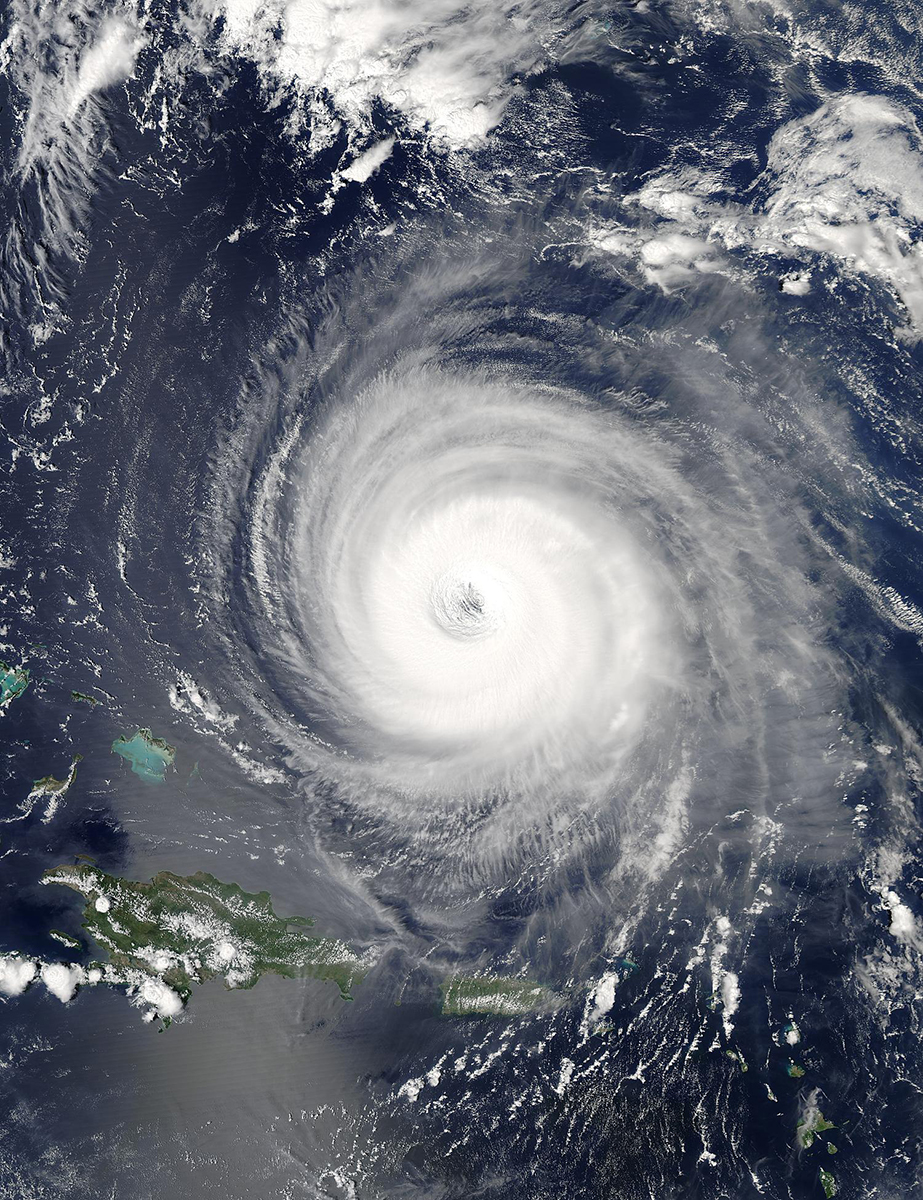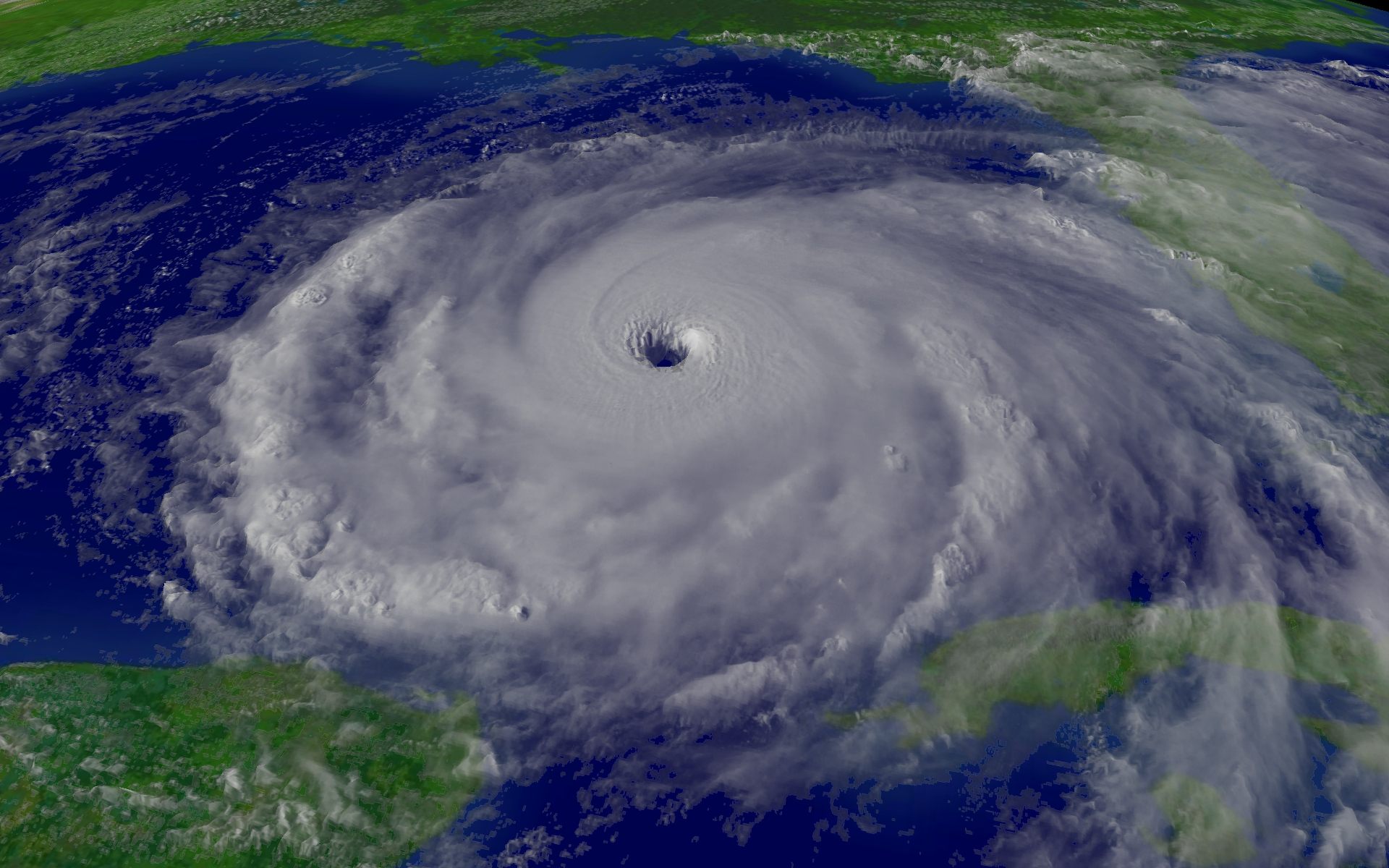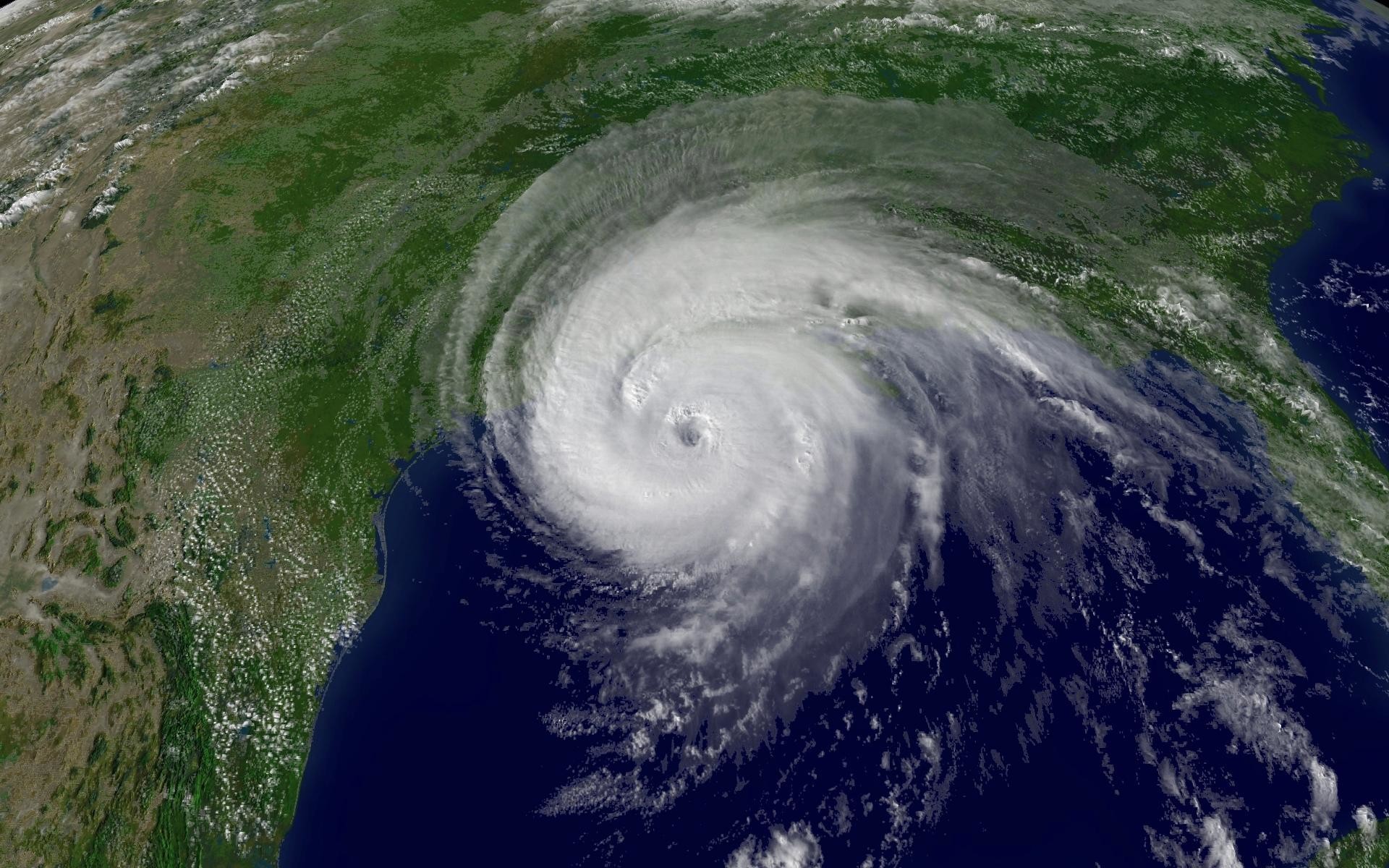
Isn't it fascinating how we name some of the most powerful forces of nature? We often hear about hurricanes wreaking havoc, but have you ever stopped to wonder if they're called the same thing everywhere? There's something deeply human about trying to categorize and understand the world around us, even when that world throws storms our way. Naming these events helps us track them, prepare for them, and ultimately, survive them.
So, what's in a name? Quite a bit, actually. Using different names for these storms in different regions isn't just a matter of local preference; it's a crucial element of weather forecasting and communication. Imagine the confusion if everyone called a storm a "hurricane" – you wouldn't know where it was located or which population was at risk. Regional naming conventions allow meteorologists and emergency responders to disseminate information more effectively, preventing misunderstandings and saving lives. This clear communication is vital for everything from issuing evacuation orders to coordinating disaster relief efforts. It helps everyday people understand the specific threats they face and take the necessary precautions to protect themselves and their property.
The most common term you'll hear in the North Atlantic, Central North Pacific, and eastern North Pacific is, of course, "hurricane." But travel westward to the Northwest Pacific Ocean, near Japan, the Philippines, and China, and you'll encounter "typhoons." These are essentially the same weather phenomenon – powerful, rotating storms with sustained winds of at least 74 miles per hour – but they're called something different based on their geographical location. In the South Pacific and Indian Ocean, these storms are generally known as "cyclones." Think of Cyclone Idai, which devastated parts of Southeast Africa in 2019, or Cyclone Pam, which ravaged Vanuatu in 2015. These examples highlight the global reach of these storms and the importance of understanding regional naming conventions.
So how can you better understand and appreciate these distinctions? First, pay attention to the news. When you hear about a major storm, take note of its location and the term used to describe it. Use this as a learning opportunity. Second, explore resources from organizations like the World Meteorological Organization (WMO) and national weather services. These sites often provide detailed explanations of regional naming conventions and the science behind these powerful storms. Many offer educational materials and interactive maps. Third, consider following meteorologists or weather experts on social media. They often provide real-time updates and insights into these storms, using the correct terminology for their region.
Understanding the nuances of hurricane, typhoon, and cyclone terminology might seem trivial, but it underscores the power of language and the importance of clear communication, especially during times of crisis. By being informed, we can better understand the risks these storms pose and contribute to more effective responses when they threaten our communities. Ultimately, it’s about respecting both the power of nature and the effort we put into understanding it.