Ever wonder why your phone works, your car drives, or the bridge you cross doesn't collapse? The answer, in most cases, is engineering! We rely on engineered solutions every single day, often without even realizing it. From the mundane to the magnificent, engineering touches nearly every aspect of our lives, making it easier, safer, and more convenient.
So, what exactly *is* engineering? In short, it's using scientific principles to design and build things that solve problems. But the field is vast and varied. Think of it like this: if you have a problem, there's probably an engineer out there working on a solution. And those solutions come in many flavors, each with its own specialized focus.
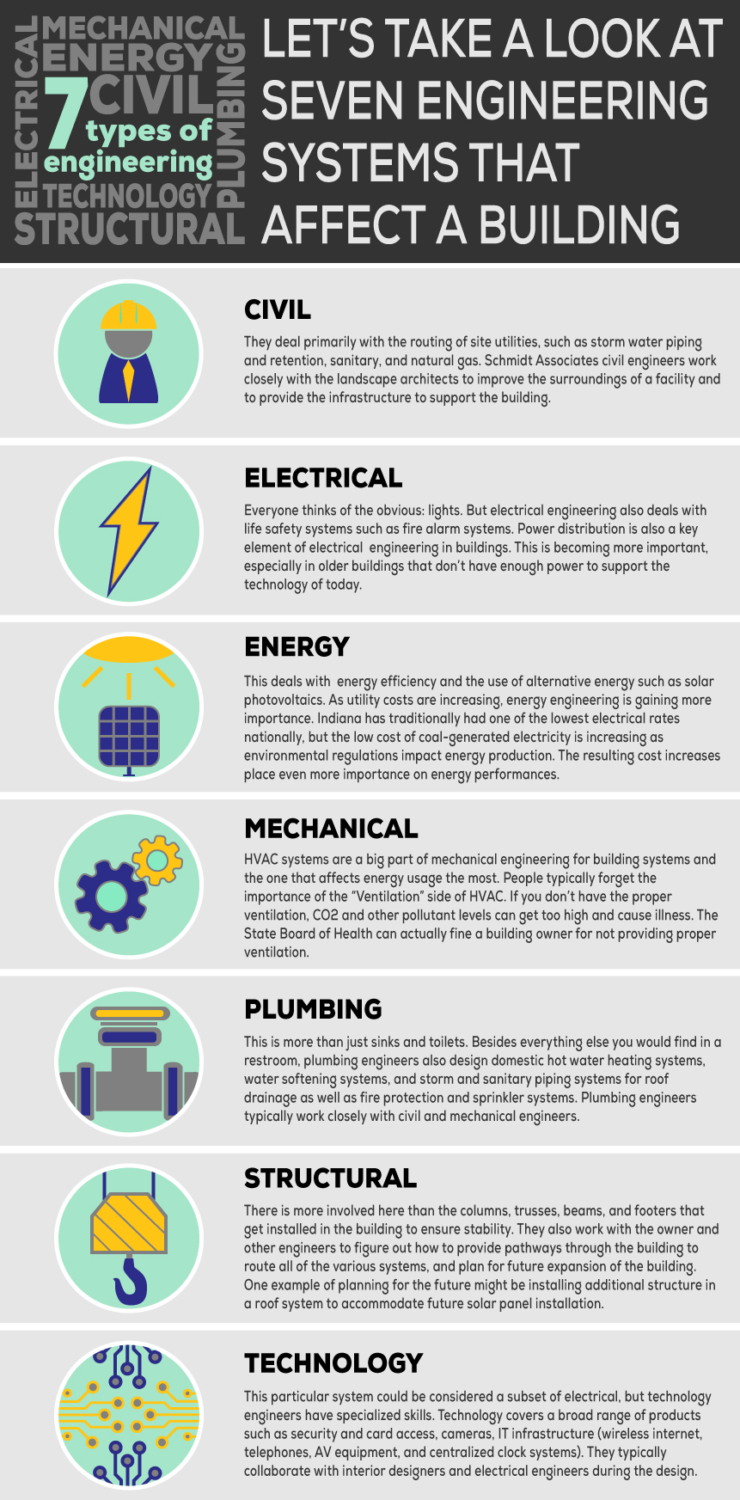
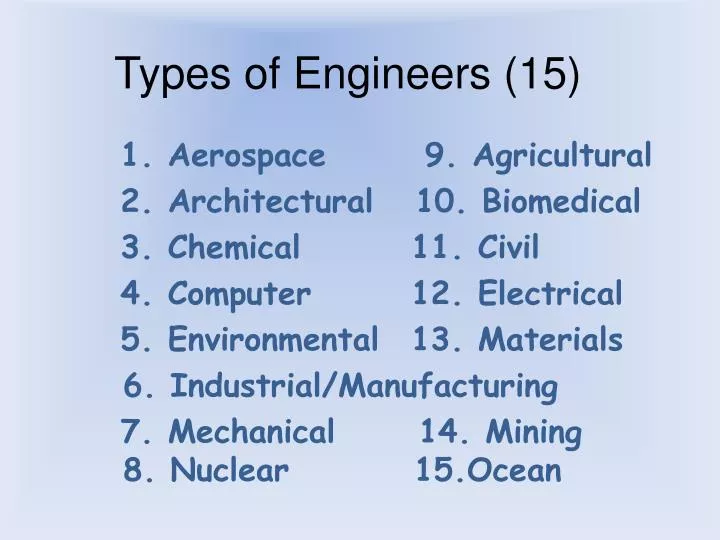
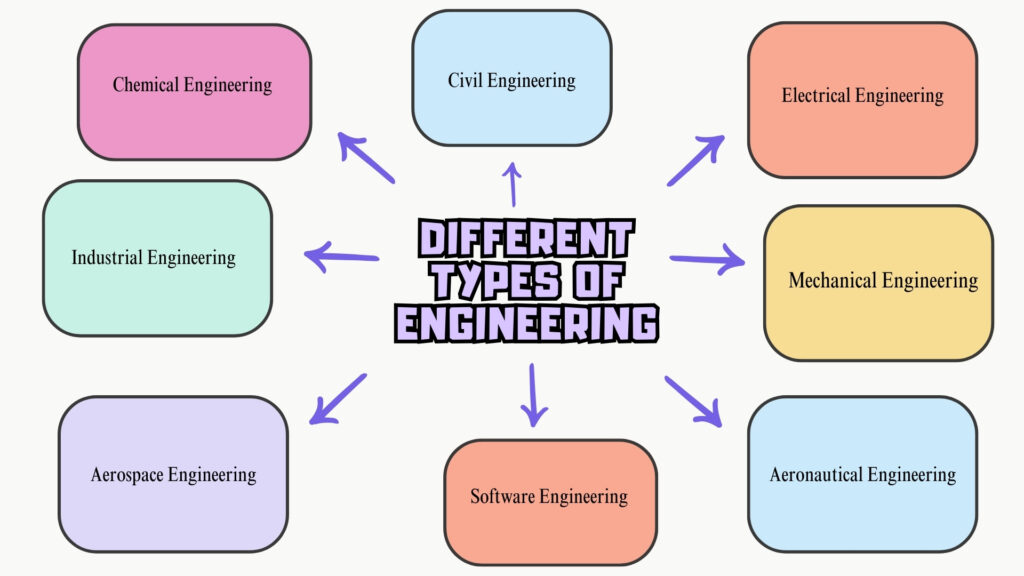
Let's explore some of the most common types of engineering. First, there's civil engineering. These engineers are the masterminds behind our infrastructure: roads, bridges, buildings, dams, and water systems. They ensure that the structures we rely on are safe, durable, and efficient. Think of the Golden Gate Bridge or the Hoover Dam – these are feats of civil engineering!
Next up is mechanical engineering. These are the folks who design and build machines, engines, and mechanical systems. From your car's engine to the manufacturing robots in factories, mechanical engineers are responsible for creating and improving the tools and machines that power our world. They also delve into areas like thermodynamics and fluid mechanics. Got a cool new robot toy? Thank a mechanical engineer!
Then there's electrical engineering, which deals with electricity, electronics, and electromagnetism. These engineers design and develop electrical systems, from power grids to microchips. They're essential to the functioning of our modern world, enabling everything from smartphones to medical equipment. Consider the intricate circuitry inside your computer – that's the work of electrical engineers.
Don't forget computer engineering. While closely related to electrical engineering, computer engineers focus specifically on the design and development of computer hardware and software. They work on everything from embedded systems in cars to the architecture of supercomputers. They are the architects of the digital age.
Another critical field is chemical engineering. These engineers apply the principles of chemistry, physics, and biology to design and operate chemical processes. They work on everything from producing plastics and pharmaceuticals to developing alternative energy sources. Think of the gasoline in your car or the medication you take when you're sick – chemical engineers are involved in their production.
But it doesn't stop there! There's also aerospace engineering (designing aircraft and spacecraft), biomedical engineering (applying engineering principles to medicine and healthcare), industrial engineering (improving efficiency and productivity), and many, many more. Each discipline contributes in its unique way to making our lives better.
So, how can you appreciate engineering more effectively? Start by being curious. When you see something interesting, ask yourself how it works. Think about the design and the materials used. Read articles and watch documentaries about engineering marvels. And most importantly, encourage kids to explore STEM fields. Who knows, you might inspire the next generation of engineers!
By understanding the different types of engineering and the impact they have on our lives, we can gain a deeper appreciation for the ingenuity and innovation that shape our world. The next time you use a piece of technology or marvel at a magnificent structure, remember the engineers who made it all possible. They are the unsung heroes of modern society, constantly working to solve problems and improve our lives in countless ways.