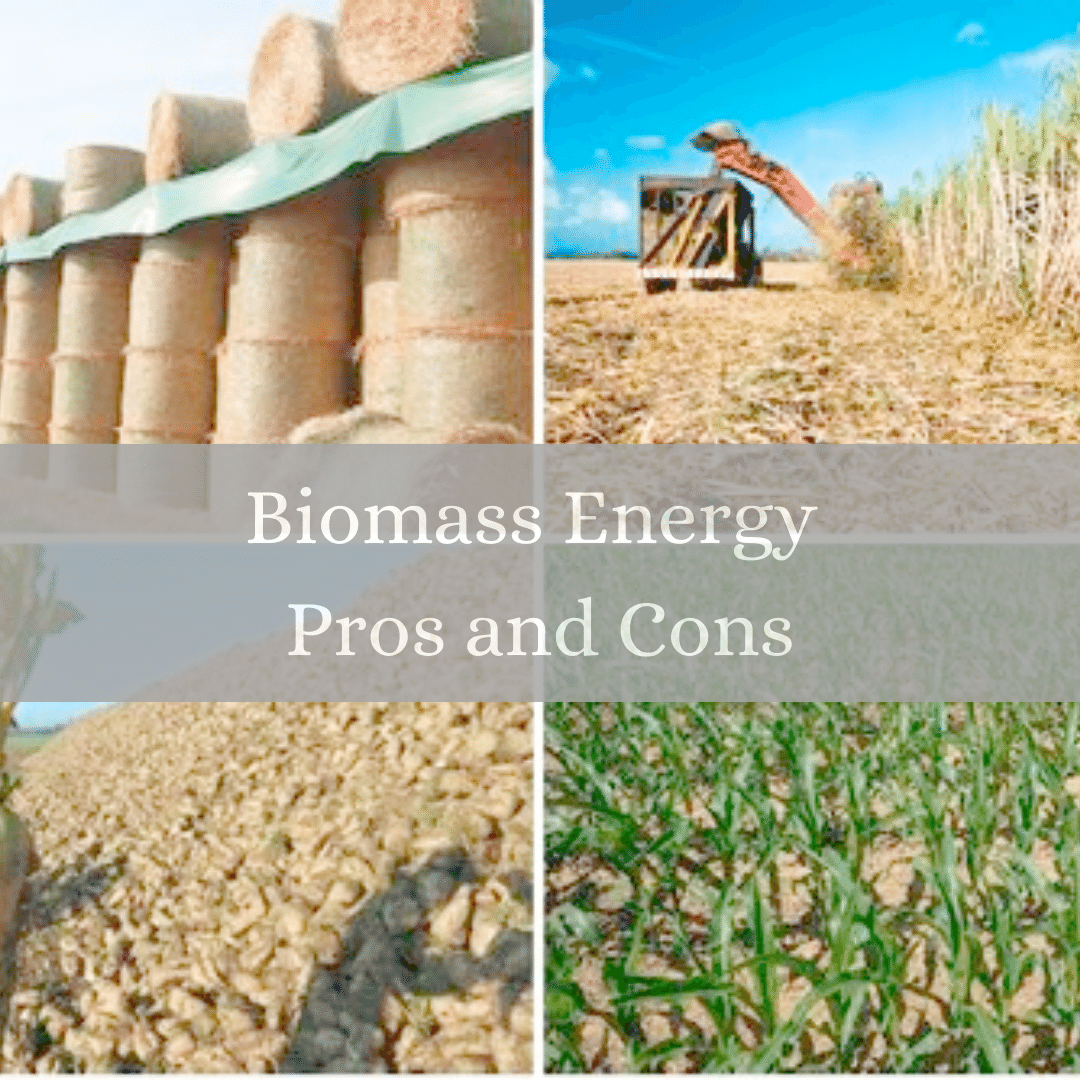
Imagine turning your leftover pizza crusts into power! That's the basic idea behind biomass energy. It's like magic, but with more science and less waving a wand.
The Good Stuff: Biomass's Bright Side
Renewable and Ready to Rumble
First things first, biomass is renewable. Unlike fossil fuels that take millions of years to form (seriously, millions!), biomass regrows relatively quickly.
We're talking trees, crops, and even algae. Think of it as nature's never-ending energy buffet!
Waste Not, Want Not: Turning Trash into Treasure
Got piles of yard waste? Agricultural leftovers? Even old newspapers? Biomass can gobble it all up!
It’s like having a super-powered garbage disposal that spits out electricity instead of… well, garbage. This reduces landfill waste and turns something useless into something useful!
Locally Sourced and Proud
Biomass is often a local resource. This means less reliance on foreign energy sources, which is always a good thing.
Think of it as supporting your local farmer and powering your home at the same time! You're practically a superhero of sustainability!
Carbon Neutrality: The Goal, Maybe Not the Reality
Biomass is often touted as carbon neutral. The theory is that the carbon released when it's burned is equal to the carbon it absorbed while growing.
It is like borrowing sugar from your neighbor and giving it back later – no sugar lost or gained, right?
In a perfect world, this would be true, but... (more on that later).
Versatile and Adaptable
Biomass can be used to generate electricity, heat homes, and even power vehicles. It's like the Swiss Army knife of energy sources!
From powering your electric car to heating your swimming pool, biomass can do it all (well, maybe not *everything*, but close!).
Uh Oh, Here Come the Downsides: Biomass's Not-So-Shiny Side
Deforestation Danger: Chop, Chop, Oh No!
One of the biggest concerns with biomass is deforestation. If we start cutting down forests faster than they can regrow to feed our energy needs, we're in trouble.
Imagine a pizza-eating contest where you eat all the pizza and don't leave any for anyone else! Not cool, right?
Sustainable forestry practices are key to preventing this, but they're not always followed.
Air Pollution: It's Not All Sunshine and Rainbows
Burning biomass releases pollutants into the air, just like burning fossil fuels. We're talking particulate matter, carbon monoxide, and other nasties.
Think of it as a smoky campfire – cozy for a little while, but not something you want to breathe in all day, every day.
Modern biomass plants are getting better at reducing emissions, but it's still a concern.
Land Use: Food vs. Fuel
Growing biomass crops can take up valuable land that could be used for growing food. It’s a bit of a food vs. fuel debate.
Imagine your mom telling you to eat your vegetables, but you keep using the garden to build a giant fort. She wouldn’t be happy, would she?
Careful planning and sustainable land management are crucial to avoid this conflict.
Carbon Neutrality: The Reality Check
Remember that carbon neutrality thing? It’s not always as simple as it sounds.
Cutting down a mature forest releases a lot of stored carbon, and it takes decades for new trees to absorb that same amount. It's like taking out a huge loan and hoping you can pay it back someday!
Also, transporting biomass can require a lot of energy, further impacting its carbon footprint. So, the “carbon neutral” label needs to be taken with a grain of salt.
Efficiency Issues: Not as Powerful as You Think
Biomass power plants are often less efficient than fossil fuel plants. This means you need more biomass to generate the same amount of energy.
It’s like trying to run a marathon wearing flippers – you might finish, but it’ll take a lot more effort!
Research and development are ongoing to improve the efficiency of biomass energy technologies.
Biomass: The Verdict?
So, is biomass energy good or bad? The truth is, it's complicated! Like most things in life, it has its advantages and disadvantages.
When done right, it can be a sustainable and beneficial part of our energy mix. When done wrong, it can contribute to deforestation, pollution, and other environmental problems.
The key is to use biomass responsibly and sustainably. This means choosing the right feedstocks, implementing best management practices, and constantly striving to improve the efficiency and environmental performance of biomass energy technologies. And maybe, just maybe, those pizza crusts really *can* help save the world!