Okay, picture this: it's 3 AM. You're sound asleep, dreaming of winning the lottery and finally buying that alpaca farm (because, why not?). Suddenly, WHUMP. The well pump kicks on. Great. Then, WHUMP again, a minute later. This goes on… and on… and on. You’re basically trapped in a low-budget horror movie starring a restless water pump. Sound familiar? You're not alone.
This incessant on-again, off-again cycle of your well pump – often referred to as "short cycling" – is a common problem. And trust me, it's more than just an annoying background noise. It can seriously damage your pump and your wallet. Yeah, that alpaca farm is starting to look even further away now, isn't it?
What's Causing the Pump's Disco Fever?
So, what's making your well pump think it's starring in Saturday Night Fever? Several culprits could be at play. Let's investigate:
1. Low Water Table: This is a big one. If your well water level is getting too low, the pump struggles to draw enough water, causing it to cycle on and off rapidly. Think of it like trying to suck the last bit of milkshake through a straw – frustrating for you and your poor pump!
Side comment: Droughts are a real drag, not just for your lawn, but for your well too!
2. Pressure Tank Problems: Your pressure tank is designed to store water under pressure, providing a buffer between the well and your plumbing. If the tank's bladder is ruptured or the air pressure is off, the pump will kick on and off frequently to try to maintain pressure. It's like a hyperactive kid trying to keep a balloon in the air – exhausting!
Side comment: A faulty pressure tank is probably the most common reason for short cycling. Seriously, check this first!
3. Leaky Plumbing: Even a small leak in your pipes, faucets, or toilets can cause a pressure drop, triggering the pump to turn on. It’s like a slow leak in your tire; you wouldn’t ignore it, right?
4. Clogged Well Screen: Over time, sediment and debris can clog the well screen, restricting water flow and causing the pump to work harder. Imagine trying to breathe through a really dusty face mask. Not fun!
5. Faulty Check Valve: The check valve prevents water from flowing back into the well. If it's malfunctioning, water can leak back, causing the pump to cycle. Think of it as a one-way street suddenly allowing traffic in both directions – chaos!
6. Pump Issues: Let's be honest, sometimes the pump itself is just getting old and tired. Internal components can wear out, leading to erratic behavior. Kind of like us after a long week, right?
What to Do About It? (Before You Lose Your Mind)
Alright, so you've got a possible diagnosis. Now what? Here are a few things you can try:
1. Check for Leaks: This is the easiest and cheapest first step. Inspect all visible pipes, faucets, and toilets for any signs of leaks. A running toilet can be a surprisingly big culprit.
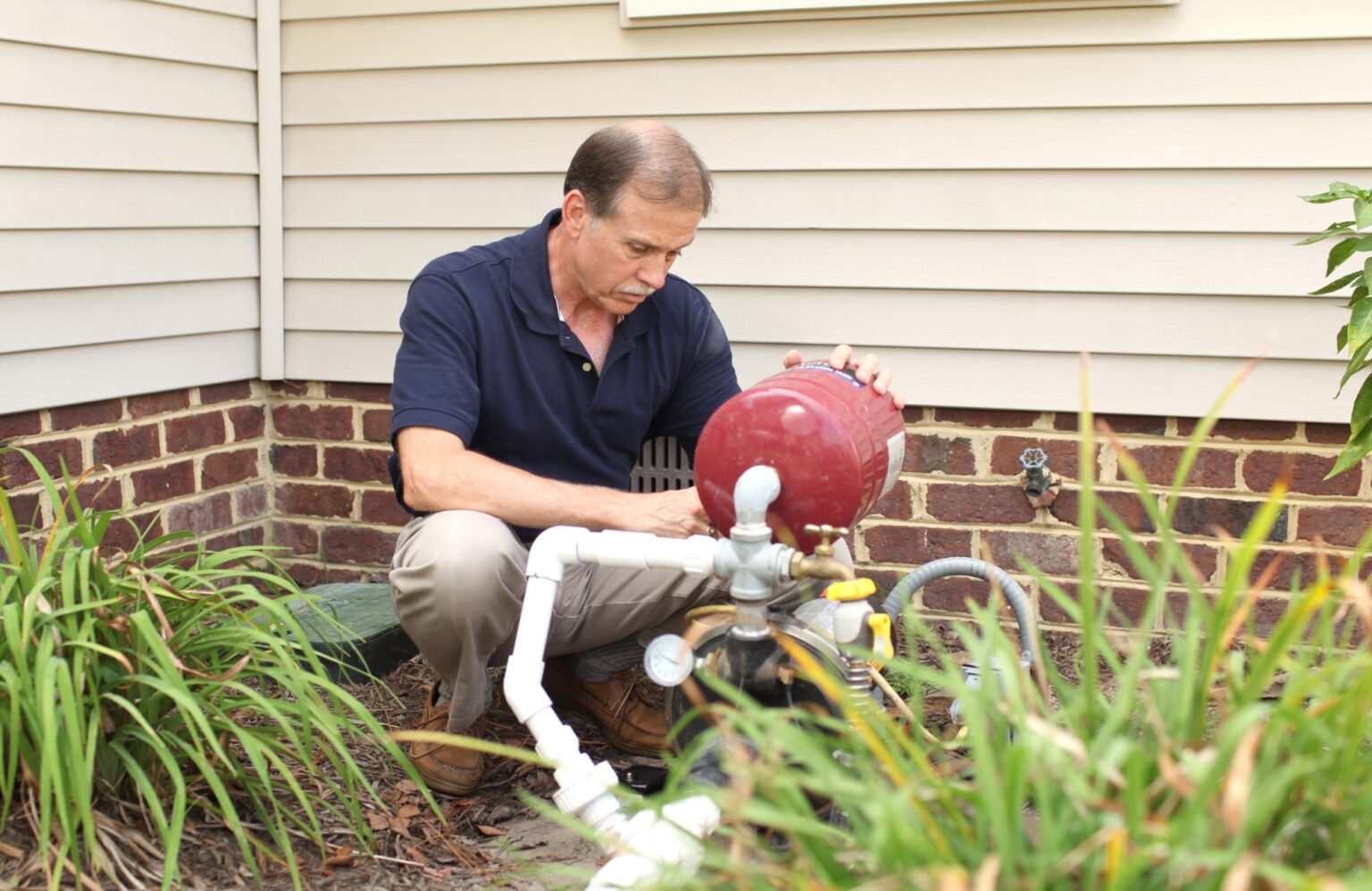
2. Adjust the Pressure Tank: You can check and adjust the air pressure in your pressure tank using a tire pressure gauge. The pressure should be 2 PSI below the pump's cut-in pressure (usually around 30-40 PSI). Important: Disconnect the power to the pump *before* messing with the pressure tank! Safety first, people!
3. Call a Professional: If you've checked for leaks and adjusted the pressure tank without success, it's time to call a qualified well pump technician. They have the tools and expertise to diagnose more complex issues and make necessary repairs.
Side comment: Don't try to be a hero and fix it yourself if you're not comfortable working with electricity and plumbing. You could end up making the problem worse (and potentially electrocuting yourself).
The Bottom Line
A well pump that keeps running on and off is a sign of a problem that needs to be addressed. Ignoring it can lead to premature pump failure, costly repairs, and a lot of sleepless nights. So, take action now, and hopefully, you’ll be back to dreaming of alpaca farms in no time!