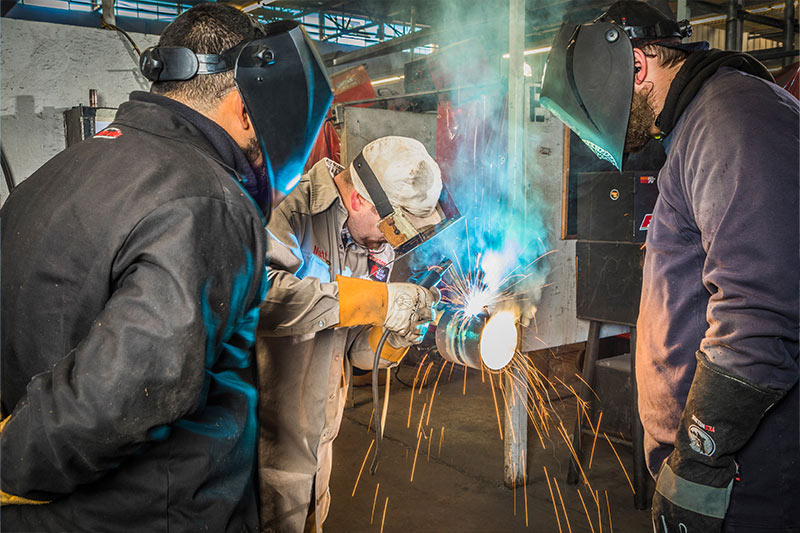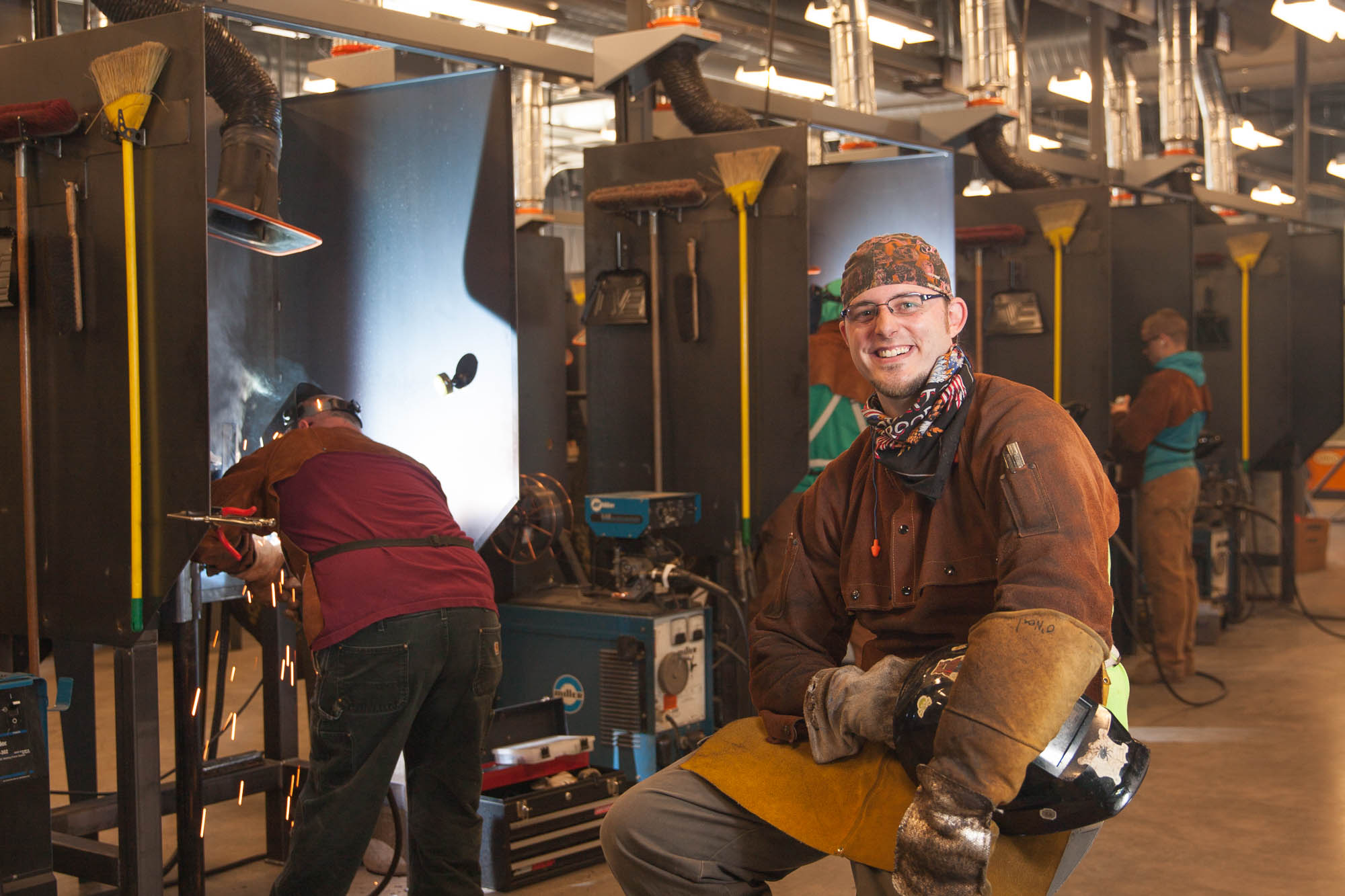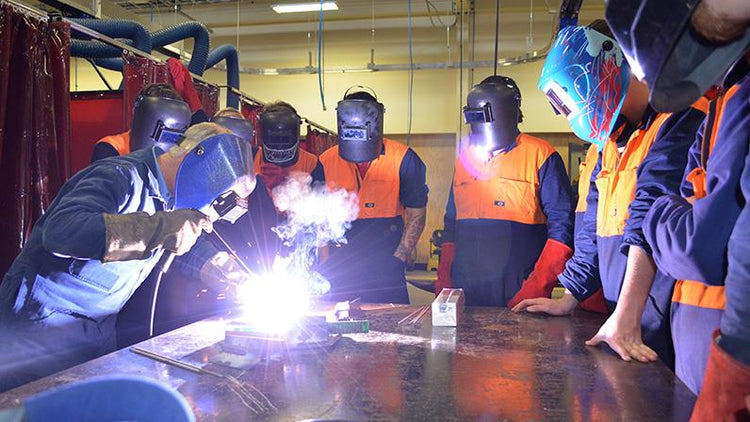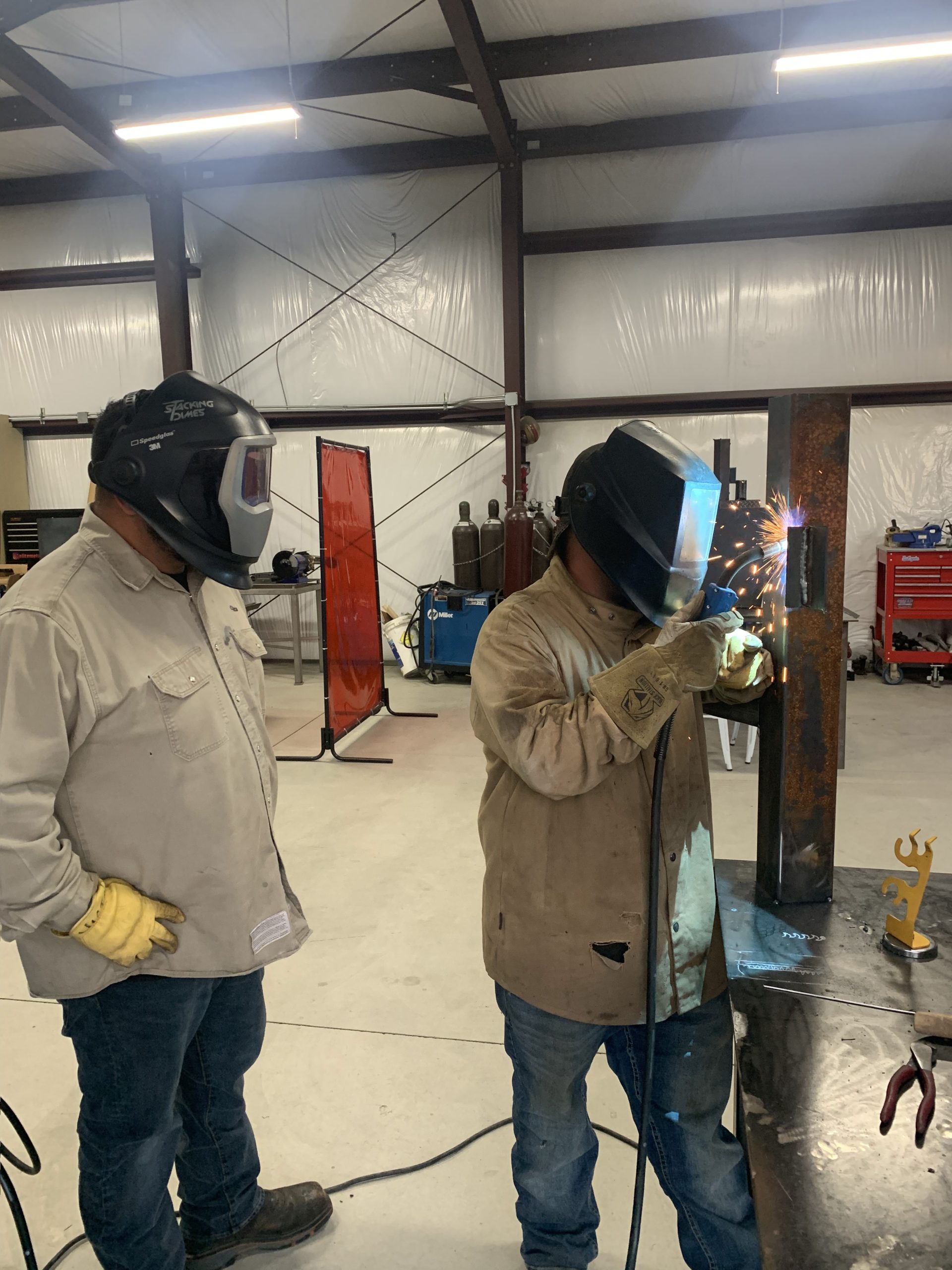
Alright, gather 'round, folks! Let's talk about welding. Yeah, welding! I know what you're thinking: "Welding? Sounds hot and sparky...and potentially involves setting my eyebrows on fire." And you know what? You're not entirely wrong. But stick with me, because finding a welding training program near you could be the single best decision you make this year. Besides, singed eyebrows grow back...eventually.
So, you're thinking about learning to weld, huh? Good on ya! Maybe you dream of crafting magnificent metal sculptures, or perhaps you just want to fix that ridiculously rusty gate that's been mocking you for the past five years. Whatever your motivation, the quest for "Welding Training Programs Near Me" is about to begin. And trust me, it's a quest worth undertaking.
Why Learn to Weld? Besides the Obvious Coolness Factor
Let's be honest, wielding a welding torch is inherently cool. It's like having your own miniature lightning bolt generator. But beyond the bragging rights, there are some pretty darn good reasons to learn this skill. First off, jobs, jobs, jobs! Welders are in demand. Seriously, the job market for skilled welders is hotter than, well, a freshly welded piece of metal.
Secondly, freedom! You can fix things! You can build things! You can finally create that giant metal T-Rex lawn ornament you've always dreamed of! (Okay, maybe that's just me.) But seriously, welding opens up a world of DIY possibilities. Think of all the money you'll save on repairs. You'll be the neighborhood hero, patching up everything from lawnmowers to bicycles.
And thirdly, money! Good welders make good money. It's a skilled trade, and skilled tradespeople are always in demand. Plus, if you become a certified underwater welder, you can practically name your price! (Just watch out for sharks...and angry eels.)
Navigating the World of Welding Training Programs
So, you're convinced. Welding is awesome. Now, how do you find the right training program? Well, the good news is that there are options aplenty. The slightly less good news is that you'll have to do a little digging. But don't worry, I'm here to guide you through the molten metal maze.
First, consider your local community colleges. These are often a great place to start. They typically offer welding programs that are relatively affordable and provide a solid foundation in the basics. Plus, they usually have instructors who are, you know, actually trained in teaching welding. Which is always a bonus.
Next up, technical schools and trade schools. These are laser-focused on vocational training, meaning they're all about getting you job-ready. Their welding programs are often more intensive and specialized than those at community colleges. Think of it as welding boot camp, but with less push-ups and more sparks.
Don't forget about union apprenticeship programs. These are a fantastic option if you're looking for on-the-job training and a guaranteed job after graduation. The catch? They can be competitive to get into, but the rewards are well worth the effort. Think of it as welding Hogwarts, but instead of wands, you get torches.
What to Look for in a Welding Training Program
Alright, you've found a few potential programs. Now, how do you decide which one is right for you? Here are a few key things to consider:
- Accreditation: Make sure the program is accredited by a reputable organization. This ensures that the program meets certain quality standards. Think of it as a gold star for welding schools.
- Instructors: Look for instructors who are experienced, certified welders. You want to learn from someone who knows their stuff, not someone who learned to weld from a YouTube video.
- Equipment: A good welding program should have up-to-date equipment. You don't want to be learning on a rusty old machine that's older than you are.
- Curriculum: The curriculum should cover a range of welding processes, including SMAW (stick), GMAW (MIG), GTAW (TIG), and FCAW (flux-cored). The more processes you learn, the more versatile you'll be.
- Job Placement Assistance: Does the program offer job placement assistance? This can be a huge help in finding a job after graduation.
And finally, the most important thing: tour the facility and talk to current students. Get a feel for the program and see if it's a good fit for you. Ask questions! Lots of questions! Don't be afraid to be annoying. It's your future we're talking about!
The Dangers (and Amusements) of Welding
Let's not sugarcoat it, welding can be dangerous. Hot metal, sparks, fumes...it's not exactly a walk in the park. But with the right training and precautions, you can minimize the risks. Always wear the proper safety gear, including a welding helmet, gloves, and protective clothing. And for goodness sake, don't weld in your flip-flops! I've seen it happen. It's not pretty.
And speaking of amusement, be prepared for some unexpected mishaps. You might accidentally weld your glove to your project (been there, done that). You might set your hair on fire (okay, maybe not, but be careful!). But hey, it's all part of the learning process. Just remember to laugh it off and keep practicing.
So, there you have it. Your guide to finding welding training programs near you. Now go forth and conquer the world of metal! And remember, always wear your safety glasses. You'll thank me later.