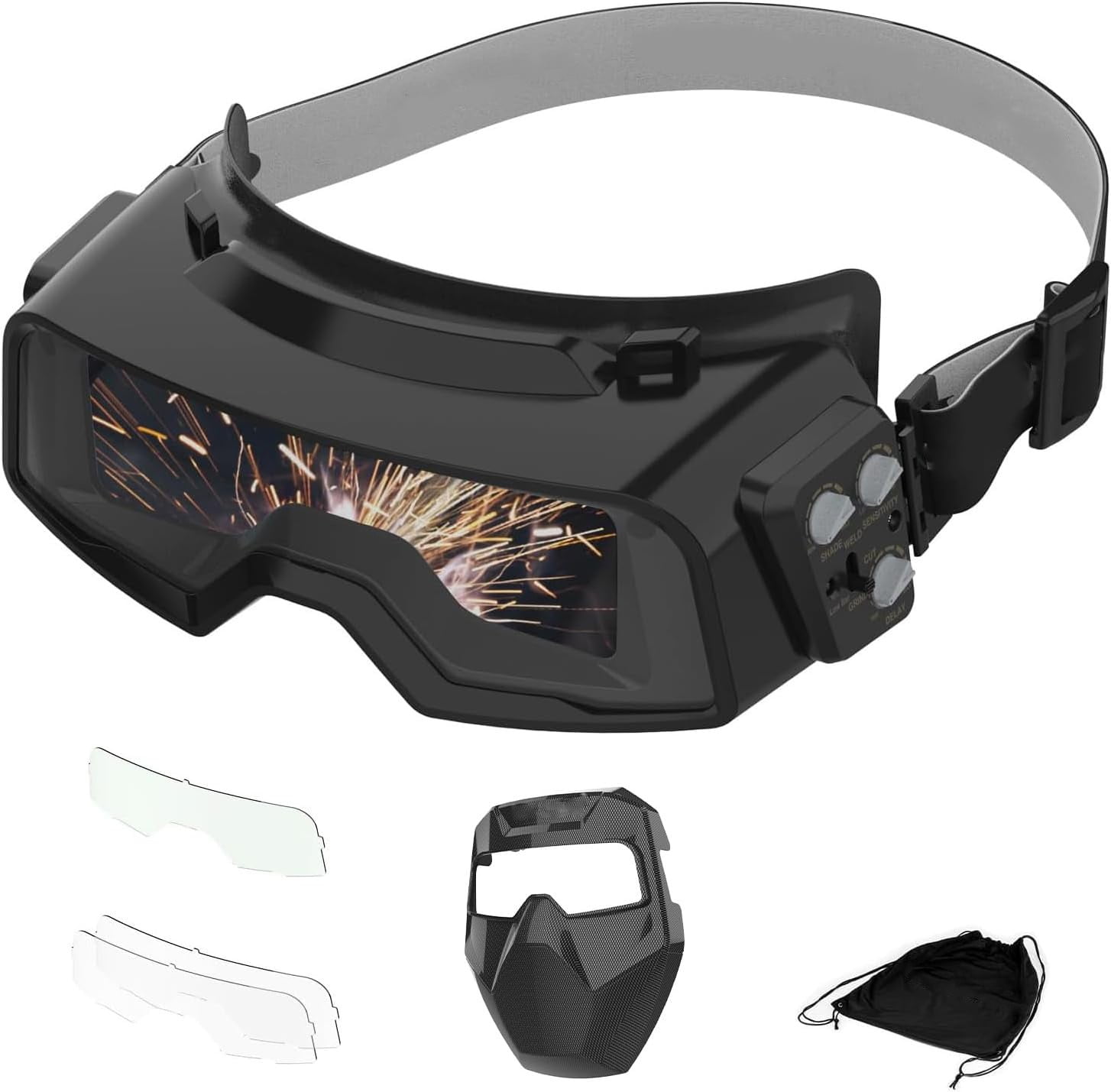
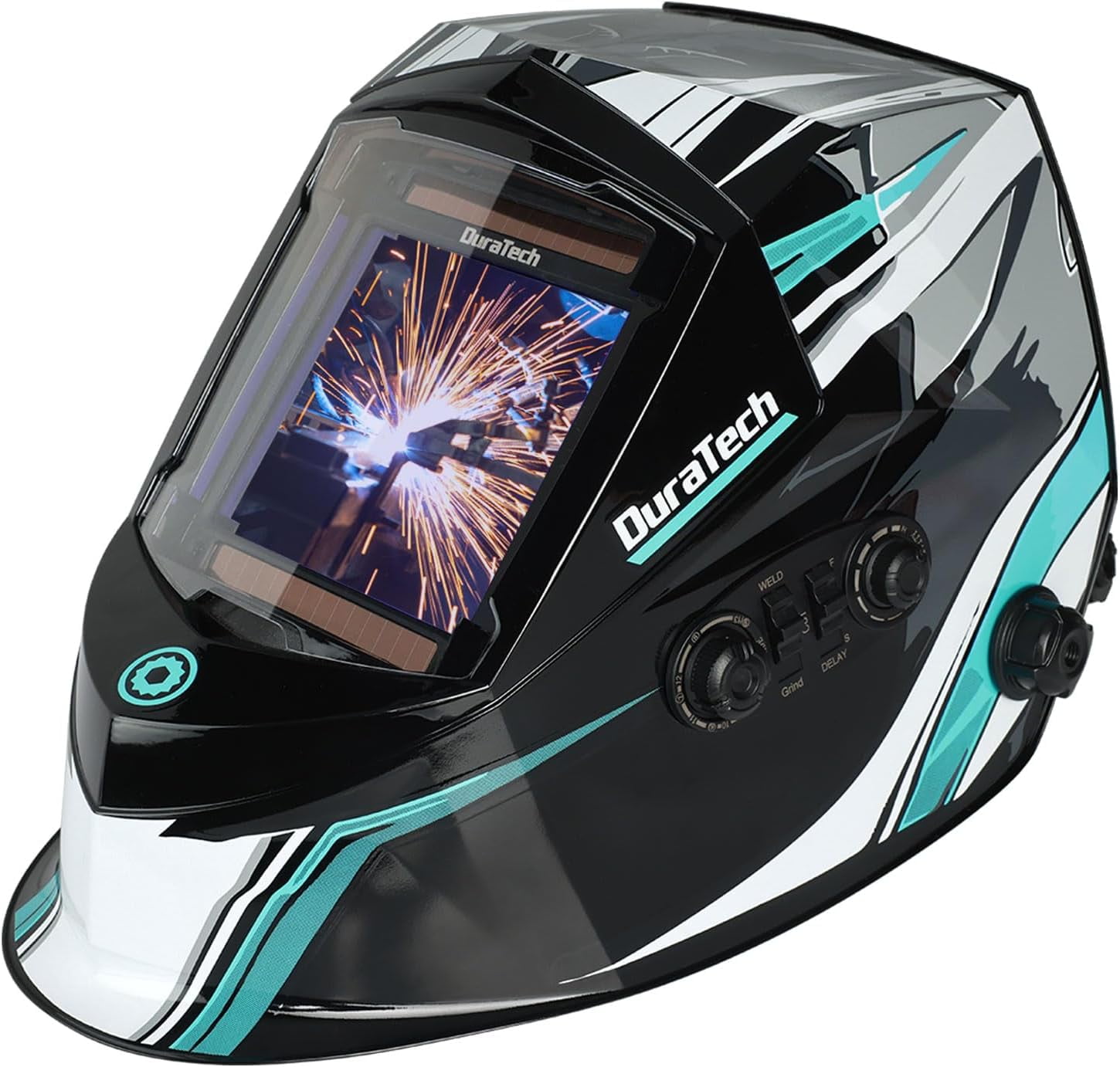
Alright, folks, let's talk plasma cutting! It's like using a lightsaber on metal, only, you know, real. And what’s the one thing every space warrior (or metal artist) needs? Proper eye protection, of course!
We're diving into the world of welding helmets specifically for plasma cutting. Now, you might be thinking, "A welding helmet? For plasma? Isn't that overkill?" Well, let's find out, shall we?
Why Not Just Sunglasses? (Seriously, Don't!)
Okay, I know what some of you are thinking. "I've got sunglasses! They block the sun! Good enough, right?" Nope. Absolutely not. Think of it this way: staring at the sun through sunglasses is like trying to stop a runaway train with a beach umbrella. You're gonna have a bad time.
Plasma cutting throws off a *serious* amount of UV and infrared radiation, which can do some serious damage to your eyes. We're talking burns, cataracts, and long-term vision problems. Is saving a few bucks on proper protection really worth risking your eyesight? I didn't think so.
So, What Makes a Welding Helmet Special for Plasma?
A welding helmet, especially one designed for plasma cutting, is like a personal fortress for your face. It’s not just about blocking light; it’s about blocking the specific wavelengths of light that plasma cutting throws at you. It's like having a custom-built shield specifically designed to deflect energy beams!
The key difference is the shade level. Welding helmets have adjustable lenses that darken to protect your eyes from the intense light produced during welding or plasma cutting. For plasma cutting, you typically need a shade level between 5 and 9, depending on the amperage you're using. Too dark, and you can't see what you're doing. Too light, and you're frying your eyeballs. It's a delicate balance, but a good helmet will let you dial it in perfectly.
Think of it like this: a lower shade is like looking through a slightly tinted window, while a higher shade is like peering through a super dark limo window. You need to see what you're doing, but also protect yourself from the blinding light.
Auto-Darkening: The Lazy Person's (and Smart Person's) Dream
Let's be honest, flipping your helmet up and down every time you start and stop cutting gets old *fast*. That's where auto-darkening helmets (ADHs) come in. These are like magic. They have sensors that detect the arc from the plasma cutter and automatically darken the lens in a fraction of a second.
Imagine this: you're about to make a cut, the helmet is clear, you strike the arc, and *bam!* the lens darkens instantly. It's like having a personal spotlight operator that anticipates your every move. No more fumbling, no more squinting, just pure cutting bliss. Plus, ADH helmets usually offer adjustable sensitivity and delay settings, allowing you to fine-tune the performance to your specific needs and preferences.
Beyond the Shade: Comfort and Features
It's not just about the shade level, though. A good welding helmet is also comfortable. You're going to be wearing this thing for hours, so you want something that fits well and doesn't feel like you're carrying a brick on your head. Look for helmets with adjustable headgear, padded interiors, and good ventilation.
And don't forget about features! Some helmets come with built-in grinding modes, which allow you to use the helmet for grinding without darkening the lens. This is a huge time-saver and eliminates the need to switch between a welding helmet and a grinding shield. Others offer magnification lenses, which can be a lifesaver if you're working on small or intricate projects. It's like having built-in reading glasses for metalworking!
Choosing the Right Helmet: A Few Pointers
So, how do you choose the right welding helmet for plasma cutting? Here are a few things to keep in mind:
- Shade Range: Make sure the helmet offers a shade range that includes the shades you'll need for plasma cutting (typically 5-9).
- Auto-Darkening: Strongly consider an auto-darkening helmet for convenience and efficiency.
- Comfort: Try on the helmet (if possible) to ensure a comfortable fit.
- Features: Consider any additional features that might be useful for your specific needs.
- Budget: Welding helmets range in price from relatively inexpensive to quite expensive. Set a budget and stick to it.
Think of it like buying a car. You wouldn't just pick the first one you see, right? You'd do your research, compare features, and test drive a few different models. The same goes for welding helmets!
The Bottom Line
Protecting your eyes is paramount when plasma cutting. A good welding helmet specifically designed for plasma cutting is an investment in your safety and long-term vision. It's not just a piece of equipment; it's a crucial part of your personal protective gear. So, do your research, choose wisely, and get out there and start making sparks (safely, of course!). After all, isn't the satisfaction of creating something amazing worth the small investment in proper protection?
Happy cutting!