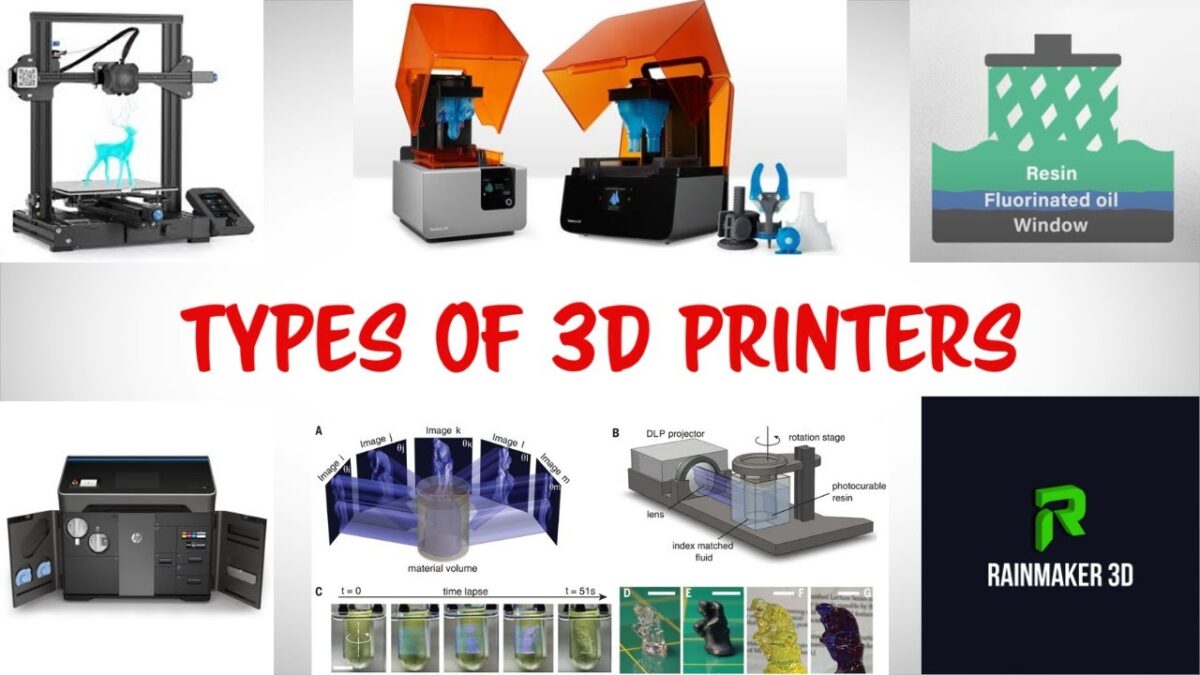
So, you're thinking about getting a 3D printer? Welcome to the club! It's like having a mini-factory on your desk. Except instead of making cars, you're making… well, whatever your imagination cooks up! But first, you gotta pick a printer. And that's where things get interesting.
The Usual Suspects: FDM and Resin
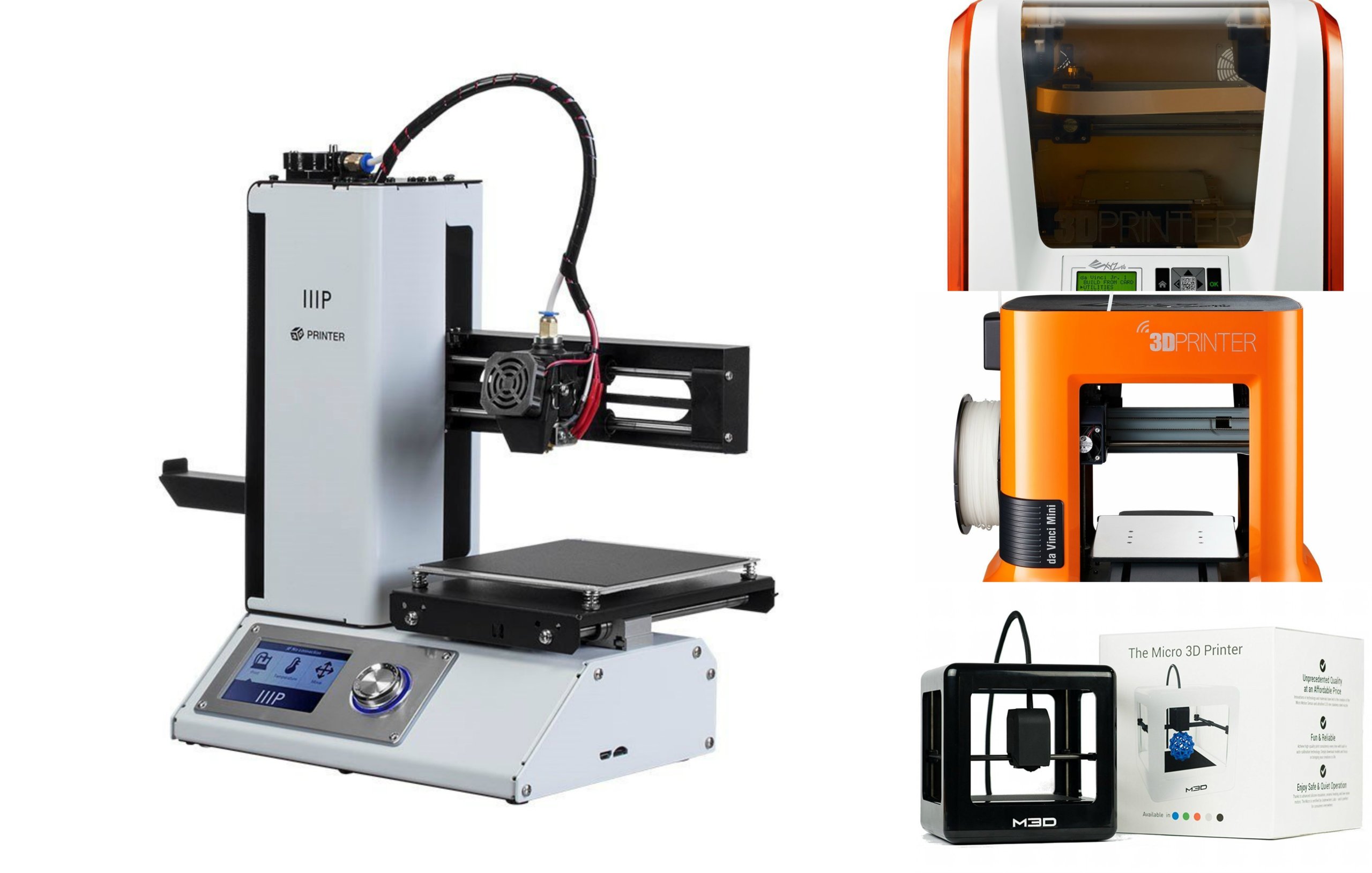
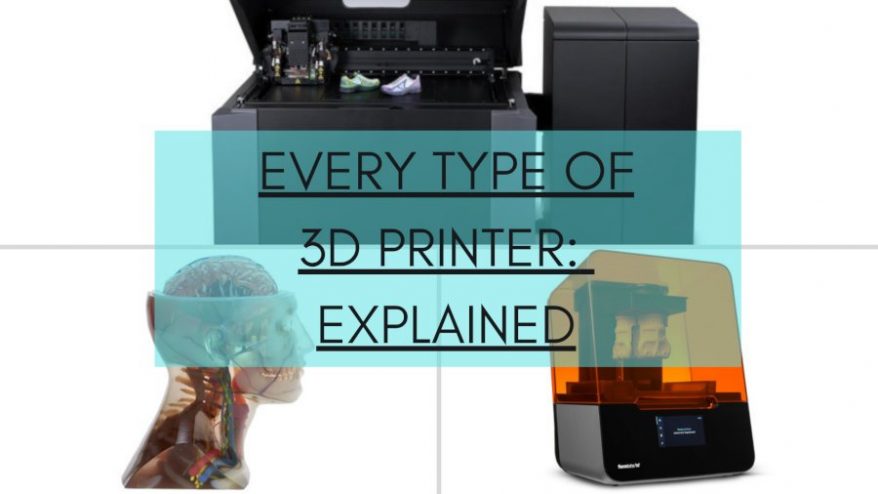
Let's talk about the two big players: FDM (Fused Deposition Modeling) and Resin. Think of FDM like a hot glue gun that builds stuff layer by layer. It uses plastic filament – like spaghetti, but plastic and way more fun.
Resin printers? They're different. They use liquid resin that's hardened by light. Imagine dipping a tiny sculpture into goo and pulling it out, perfectly formed. Sounds fancy, right?
FDM: The Workhorse (My Unpopular Opinion?)
Okay, unpopular opinion time: I think FDM printers are way more practical for home use. Hear me out! They're generally cheaper to start with. The filament is less messy (mostly). And you can print bigger things without needing a hazmat suit.
Sure, resin printers make incredibly detailed stuff. Tiny figurines? Perfect. But let's be honest, how many tiny figurines do you *really* need? I’d rather print a ridiculously oversized phone stand. Just me?
Plus, the cleanup with resin? It involves gloves, special disposal procedures, and the lingering smell of… well, chemicals. With FDM, you just peel the print off the bed and maybe vacuum up a few stray plastic strands. Much simpler!
A Deep Dive Into FDM Types (Sort Of)
Within the FDM world, there are different flavors. You have your trusty Cartesian printers. These are the square-ish ones where the print head moves along X, Y, and Z axes. Reliable, dependable, like a sensible pair of shoes.
Then there are Delta printers. These look like something out of a sci-fi movie. Three arms dance around, creating your 3D masterpiece. They're fast, and cool to watch, but sometimes a bit fiddly. More like high heels – stylish, but not for everyday wear.
There's also the CoreXY, which are arguably better than Cartesian. But, Honestly, I don't understand them fully. I just know they exist and some people swear by them. Like a niche coffee brewing method. Sounds fancy, probably makes good coffee (or prints), but I'm good with my drip machine (Cartesian printer).
Resin's Allure: Detail, Detail, Detail
Now, I don’t want to totally bash resin printers. They're amazing for certain things. If you're making jewelry, intricate miniatures for tabletop games, or dental molds (don't ask), resin is your friend.
The level of detail you can achieve with resin is mind-blowing. It's like comparing a blurry photo to a high-definition one. But remember the cleanup! And the fumes! And the slightly terrifying feeling that you're handling potentially hazardous materials! Fun times!
Other Exotic Species of 3D Printers
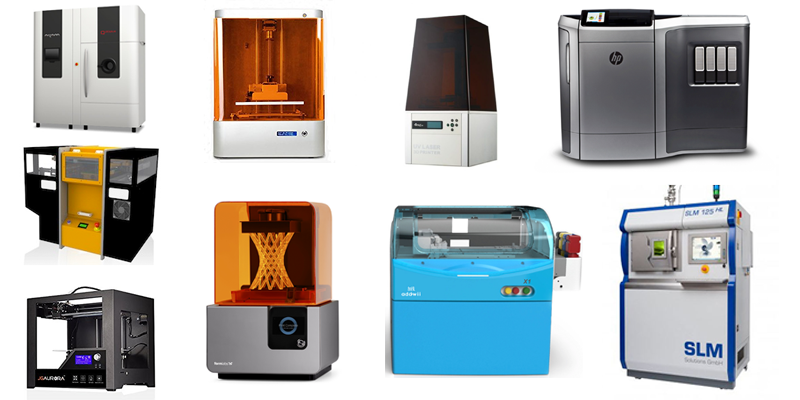
There are other types of 3D printers out there, like SLS (Selective Laser Sintering) and SLA (Stereolithography). But those are generally for industrial use or serious hobbyists with deep pockets and a penchant for lasers. Let's just say they're outside the scope of this "beginner's guide."
So, Which One Should *You* Choose?
Ultimately, the best 3D printer for you depends on what you want to make and how much effort you're willing to put in. If you're just starting out and want something relatively easy to use, affordable, and versatile, I'd steer you towards an FDM printer. Especially if you share my (apparently) unpopular opinion.
If you need extreme detail and don't mind a bit of extra hassle (and the smell of resin), then a resin printer might be the way to go.
Just remember, whichever printer you choose, prepare to be amazed (and possibly slightly frustrated). Welcome to the world of 3D printing! May your prints be successful, and your filament never run out!
Disclaimer: I am not a 3D printing expert. I am just a person who likes making things and has strong opinions about plastic. Your mileage may vary.