Let's face it, there's something deeply satisfying about creating something with your own two hands. Whether it's fixing a broken railing, crafting a custom car part, or even just building a cool art piece, welding offers a powerful way to bring your ideas to life. And for many of us, TIG welding aluminum is the holy grail – a skill that opens up a world of possibilities.
But aluminum can be tricky! It's got that pesky oxide layer that melts at a much higher temperature than the aluminum itself. That's where our unsung hero comes in: tungsten. Specifically, choosing the right tungsten electrode makes all the difference in achieving beautiful, strong, and reliable aluminum welds.
So, why is this important in everyday life? Think about it: aluminum is everywhere! From the frames of your windows and doors to the engine blocks in your cars, from airplanes to kitchen appliances, aluminum's lightweight and corrosion-resistant properties make it a go-to material. Being able to weld aluminum effectively means being able to repair, modify, and create things that are essential to our modern world. Imagine needing to repair a cracked aluminum boat hull – knowing your TIG welding with the correct tungsten will get you back on the water in no time! Or perhaps you're a weekend warrior customizing your truck with custom aluminum bumpers and rock sliders. The possibilities are endless!
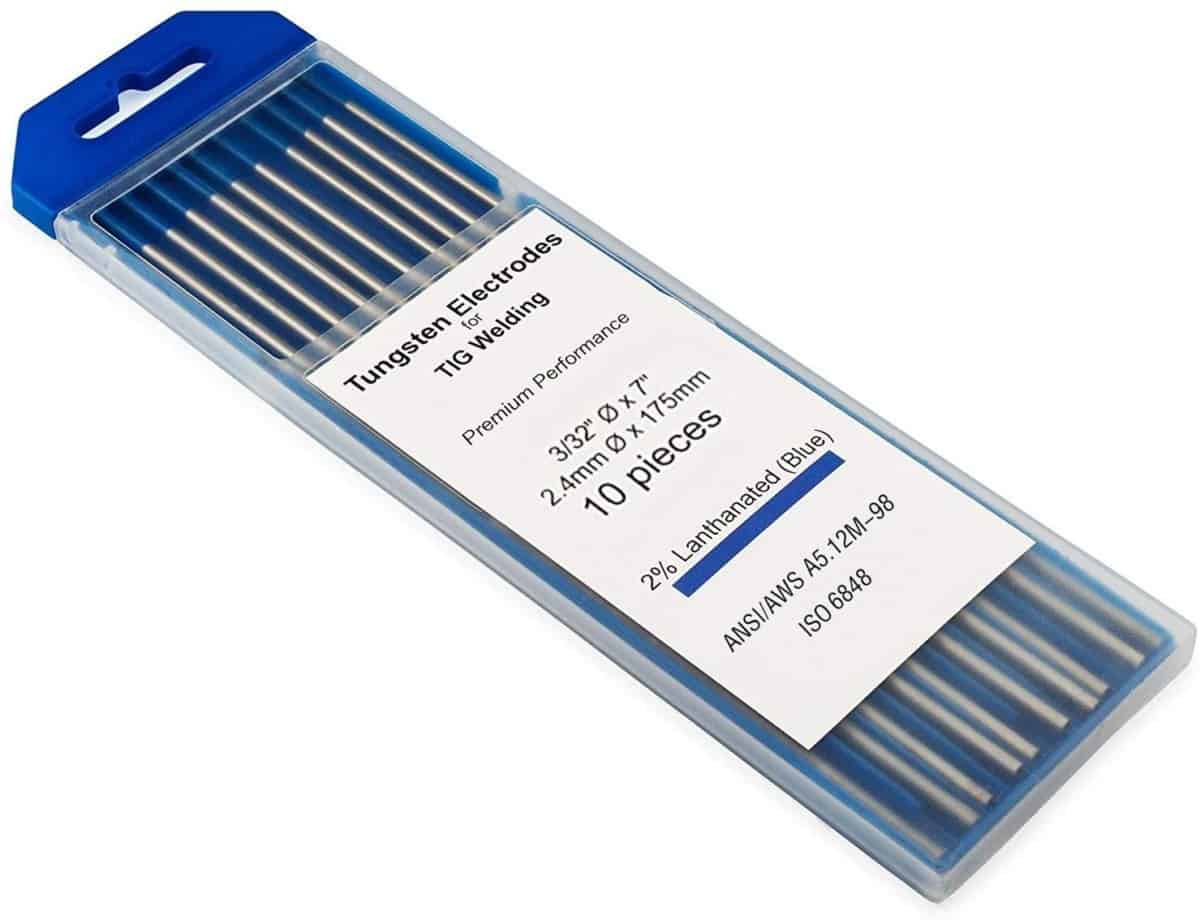
Now, let's get down to brass tacks (or should we say, aluminum joints?). Choosing the right tungsten electrode is crucial. For AC TIG welding of aluminum (which is the standard), you'll generally want to use pure tungsten or zirconiated tungsten. Pure tungsten forms a nice, stable ball on the end, which is ideal for creating a clean arc. Zirconiated tungsten offers a slightly more stable arc and better resistance to contamination. Avoid using thoriated tungsten for aluminum; it's better suited for steel and can cause issues with arc stability and weld cleanliness when welding aluminum.
Here are a few practical tips to make your aluminum TIG welding experience more enjoyable and effective:
- Preparation is key: Clean your aluminum thoroughly! Use a stainless steel brush dedicated only to aluminum to remove any oxides or contaminants. Acetone or a dedicated aluminum cleaner also helps.
- Gas is your friend: Use a high-quality shielding gas like 100% argon. Proper gas coverage is essential for preventing oxidation and porosity in your welds.
- Amperage control is vital: Aluminum has a high thermal conductivity, meaning it dissipates heat quickly. Experiment with your amperage settings to find the sweet spot where you get good penetration without overheating and warping the metal. A foot pedal is almost essential for this!
- Practice makes perfect: Don't get discouraged if your first welds aren't masterpieces. Aluminum TIG welding takes practice. Start with scrap pieces and gradually work your way up to more complex projects.
- Sharpening (or not): For AC welding, you don’t typically sharpen pure or zirconiated tungsten. The AC current will naturally form a rounded ball on the tip. Experiment to find what works best for your setup.
So, grab your TIG torch, fire up your machine, and get ready to experience the satisfying world of aluminum welding. With the right tungsten, a little practice, and these tips, you'll be creating beautiful and functional welds in no time! Happy welding!