Alright, let's talk TIG welding filler rods. I know, I know, sounds like something only robots and rocket scientists care about. But trust me, even if you're just fixing a wobbly metal chair or dreaming of building your own BBQ smoker (like I am!), understanding filler rod sizes can be a game changer. It's like knowing the right size wrench to use – you wouldn't try to tighten a lug nut with a tiny Allen wrench, would you?
Think of it this way: filler rod is basically the "glue" that holds your metal pieces together in TIG welding. Choosing the right size is crucial for a strong, clean, and beautiful weld. Too small, and you're basically dribbling tiny drops that barely hold. Too big, and you're throwing a molten metal party with way too much splatter and a weak weld to boot.
Why Should You Even Bother?
Okay, so maybe you're not planning on becoming a professional welder. But even for small DIY projects, understanding filler rod sizes makes a HUGE difference.
Imagine this: You're building a custom bike rack for your car. You carefully weld everything together, proud of your creation. Then, on its maiden voyage, the whole thing snaps apart because you used the wrong size filler rod! Suddenly, your bike is doing its best impression of a lawn dart on the highway. Not good, right? Choosing the right size means your projects will actually, you know, *work*.
Beyond strength, the right size rod also helps with the overall quality of your weld. You'll get a smoother, more consistent bead, less spatter, and fewer imperfections. Think of it like icing a cake – using the right tools (and in this case, the right amount of "icing") makes all the difference between a masterpiece and a messy blob.
The (Not-So-Scary) Filler Rod Size Chart
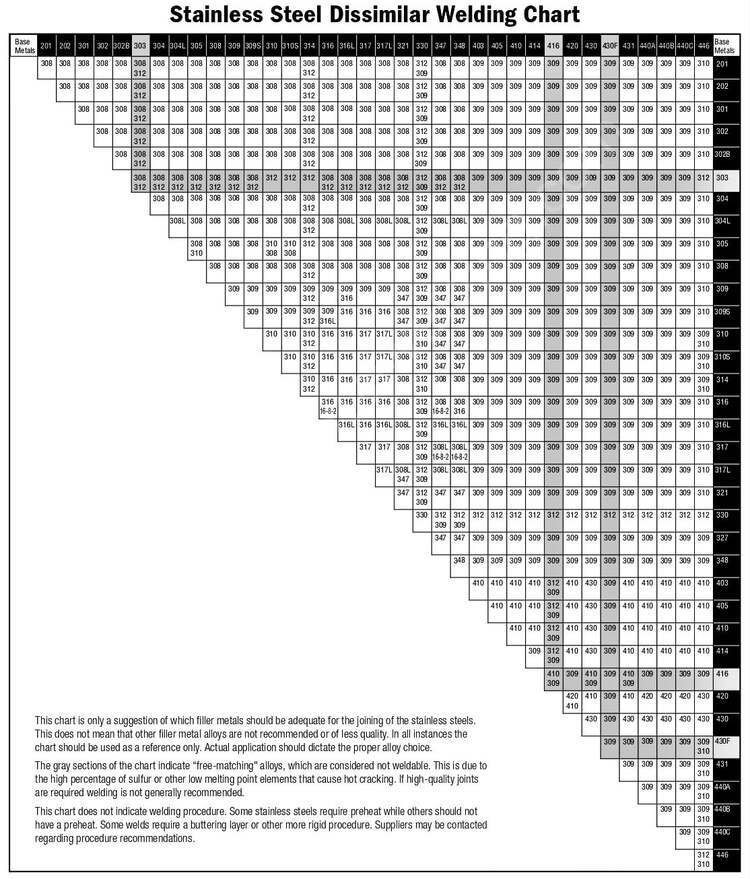
So, where do you find this magical knowledge? Enter the filler rod size chart! Don't run away screaming just yet. These charts are usually pretty straightforward. They basically tell you what size filler rod to use based on the thickness of the metal you're welding.
Think of it like cooking. A recipe calls for a certain amount of flour, depending on how big you want your cake. The metal thickness is your "recipe," and the filler rod size is the "flour." The chart is your cookbook!
Most charts will look something like this (though they can vary slightly):
* **Metal Thickness (inches):** 1/16" (0.0625") * **Recommended Filler Rod Size (inches):** 0.035" or 1/16"
* **Metal Thickness (inches):** 1/8" (0.125") * **Recommended Filler Rod Size (inches):** 1/16" or 3/32"
* **Metal Thickness (inches):** 3/16" (0.1875") * **Recommended Filler Rod Size (inches):** 3/32" or 1/8"
The key is to measure the thickness of the metal you're welding. You can use a simple ruler or, even better, a pair of calipers for more accurate measurements. Once you know the thickness, you can easily find the recommended filler rod size on the chart. Most metal supply stores will have these charts handy, or you can find them online with a quick search.
A Few Extra Tips and Tricks
Here are a few extra things to keep in mind when choosing filler rod sizes:
- Err on the side of slightly larger. It's generally better to use a slightly larger filler rod than a slightly smaller one. You can always control the amount of filler you add to the weld, but you can't magically make a small rod bigger.
- Consider the material. Different metals require different types of filler rods. Aluminum, steel, stainless steel – they all have their specific needs. Make sure you're using the right type of filler rod *and* the right size.
- Practice makes perfect. Like any skill, welding takes practice. Don't be afraid to experiment with different filler rod sizes to see what works best for you and your specific projects. Start with some scrap metal and get a feel for how the different sizes melt and flow.
- Cleanliness is next to weld-liness. Make sure your metal is clean and free of rust, paint, or other contaminants before welding. This will help you achieve a stronger and more consistent weld, regardless of the filler rod size.
Ultimately, choosing the right TIG welding filler rod size isn't rocket science. With a little bit of knowledge and some practice, you can master this skill and create strong, beautiful welds that will make your projects last. Now go forth and weld! Just remember – measure twice, weld once (and use the right filler rod!).