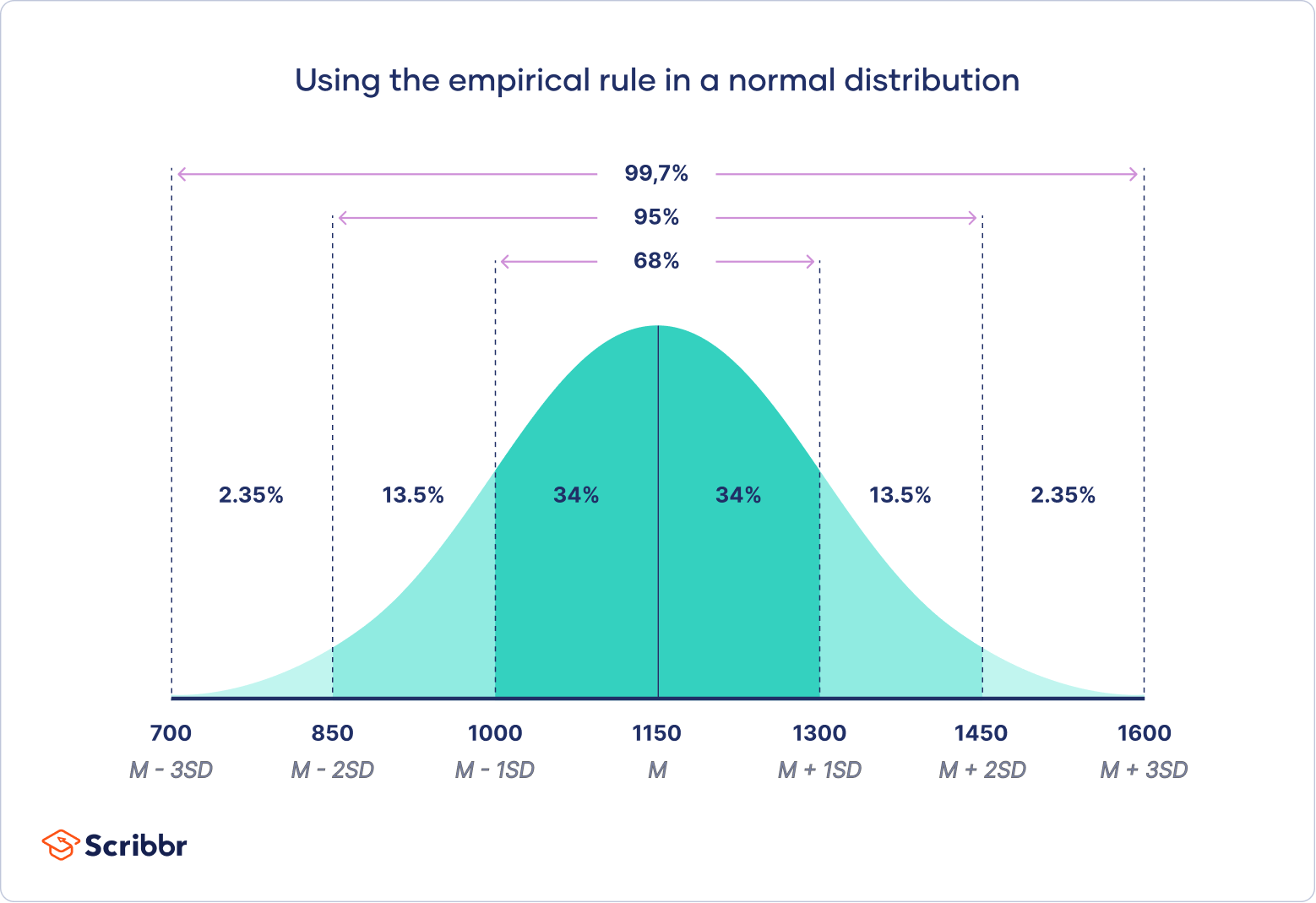
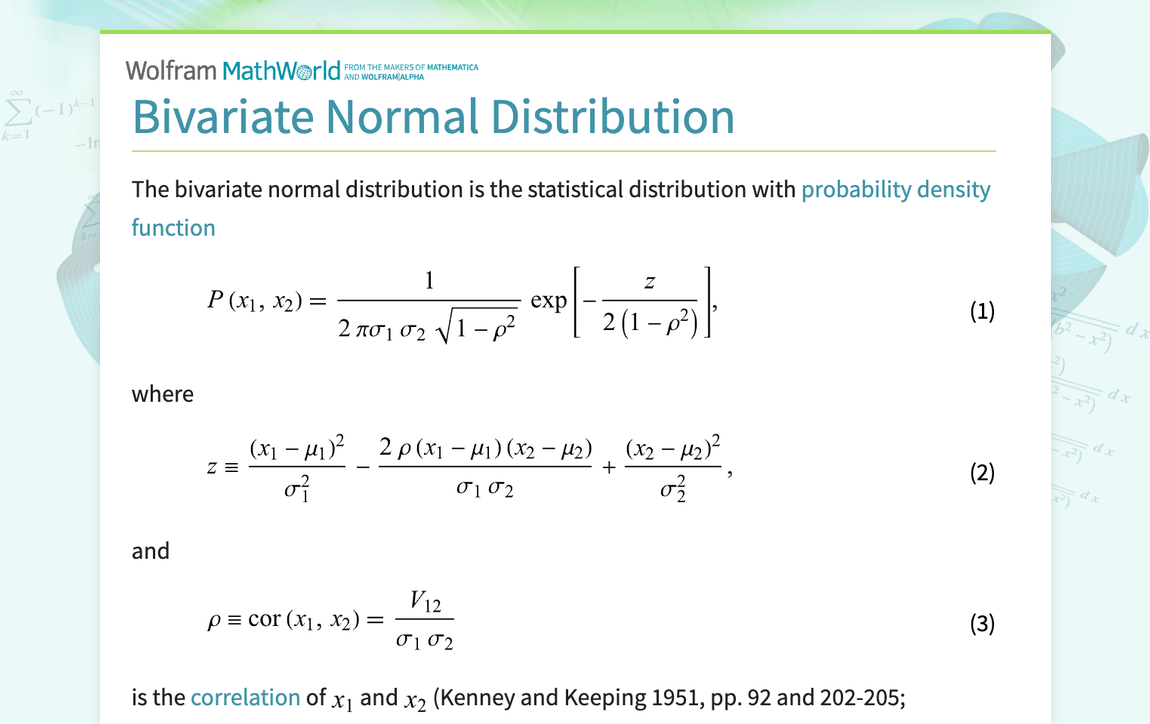
Ever heard someone say their business is "in the black" or, conversely, "in the red"? These common phrases, while simplistic, hint at a more nuanced concept: the normal operating range. But what do business professionals call this sweet spot where things are humming along nicely? It's called the "Going Concern", and it's so much more than just avoiding financial doom!
While the term "going concern" might sound intimidating, reserved for boardrooms and quarterly reports, its underlying principles are surprisingly relevant – and even beneficial – for artists, hobbyists, and anyone pursuing a passion project. Think of it this way: understanding the "going concern" in your creative pursuits helps you sustain momentum, improve your skills, and ultimately, enjoy the process more.
For artists, the "going concern" translates to finding a sustainable creative practice. It's not just about producing masterpieces; it's about managing your time, resources, and motivation to consistently create. A painter, for example, might identify their "going concern" as dedicating two hours each day to painting, even if it's just sketching or experimenting. A writer might aim for a certain word count per week, regardless of whether it's destined for publication. A musician might focus on practicing their instrument for a set amount of time each day, even if they don't have a performance scheduled. The key is consistency and manageability.
Hobbyists can apply the same principles. Let's say you love building model airplanes. Your "going concern" could involve dedicating a specific amount of time each week to the hobby, budgeting for materials, and even connecting with other enthusiasts online or in local clubs. It's about turning a sporadic interest into a sustained passion.
For casual learners, the "going concern" focuses on maintaining a steady pace of learning. If you're trying to learn a new language, commit to studying for 15 minutes each day using an app like Duolingo. If you're interested in coding, try completing one coding challenge per week on platforms like Codecademy. The small, consistent effort builds momentum and prevents you from feeling overwhelmed.
So, how can you apply the "going concern" to your own projects at home? First, define your goals. What do you want to achieve with your hobby, art, or learning project? Next, break down your goals into smaller, manageable steps. Create a schedule that fits your lifestyle and stick to it as much as possible. Track your progress to stay motivated. And most importantly, be flexible! Life happens, and sometimes you'll need to adjust your schedule. Don't get discouraged; just get back on track as soon as you can.
Ultimately, embracing the principles of the "going concern" in your personal projects isn't about turning them into businesses. It's about cultivating a sustainable and enjoyable practice. It’s about ensuring that your passion remains a source of joy and fulfillment for the long haul. By creating a consistent rhythm and managing your resources effectively, you can ensure that your creative spark continues to burn brightly for years to come. It’s about creating a positive feedback loop where progress fuels motivation, and motivation fuels further progress. And that, in itself, is incredibly rewarding.