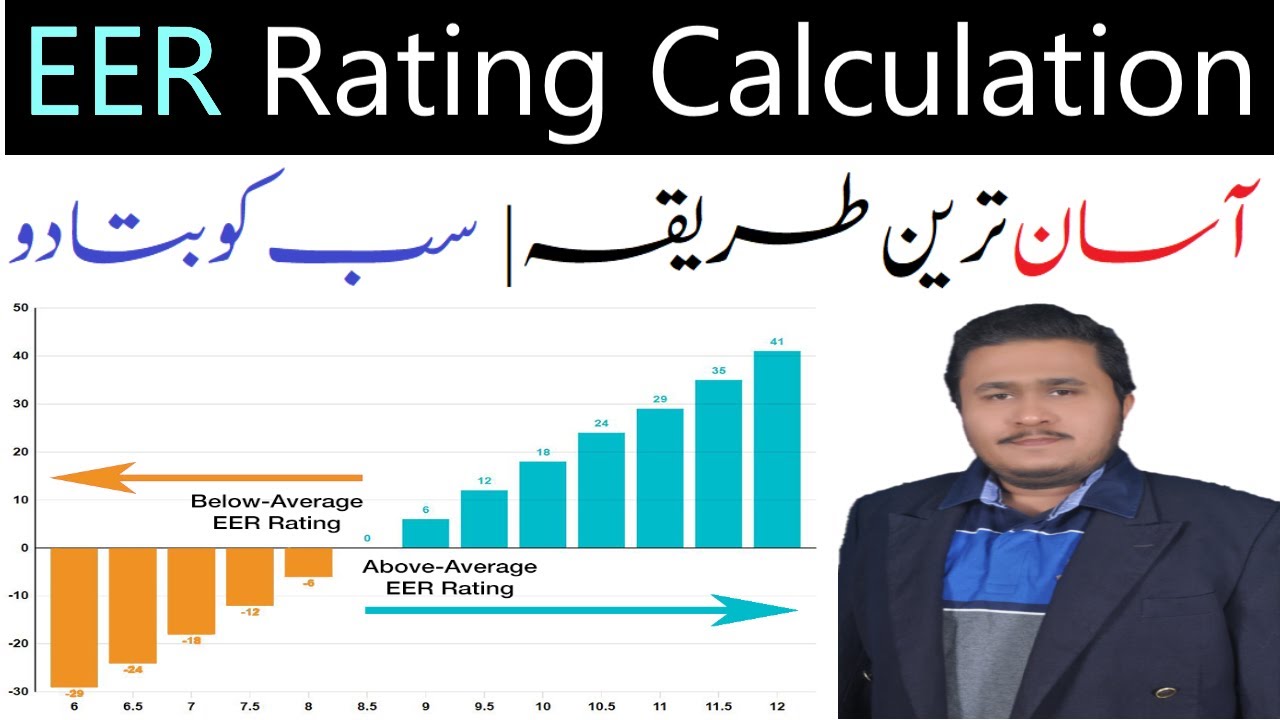
Okay, let's talk about… absolutely nothing to do with what you think! Forget what you *think* you know about acronyms and technical jargon. Today, we're diving into the wonderfully counterintuitive world of, um, anti-energy efficiency! That’s right, we’re championing the art of *seeming* less efficient! Think of it as organized chaos, a beautifully orchestrated symphony of… well, not saving money on your electricity bill. But trust me, it’s creatively liberating!
For artists, hobbyists, and even casual learners, the principle of "The Larger The EER Rating The Less Efficient The Equipment," when applied metaphorically, opens up a Pandora's Box of creative possibilities. See, understanding this concept flips the script on conventional wisdom. Instead of striving for perfect, optimized, hyper-efficient results in your art, you embrace the delightfully flawed, the wonderfully wonky, the gloriously imperfect. Think of it as the artistic equivalent of a beautiful Rube Goldberg machine – complicated, seemingly pointless, but ultimately fascinating.
Imagine, for example, a hyperrealistic portrait where you deliberately introduce subtle, almost imperceptible distortions. Perhaps the subject's left eye is *slightly* too large, or their smile is just a *fraction* too wide. These "inefficiencies" don’t detract from the overall impact; they add character and intrigue. Or consider a perfectly structured sonnet with one jarring, unexpected rhyme scheme in the third stanza. This "inefficiency" can highlight the other stanzas and provide the poem a unique and memorable feature. For someone who likes woodworking, consider purposely using different screws to put together furniture to give it a unique look.
Here are a few tips for embracing this approach at home:
- Deliberate Imperfection: When painting, try adding a brushstroke that seems out of place or a color that clashes slightly.
- Unconventional Materials: Use materials that aren't traditionally associated with your chosen art form. For example, try incorporating fabric scraps into a sculpture or using food coloring in a watercolor painting.
- Embrace the Unexpected: Don't be afraid to make mistakes! Sometimes, the most interesting results come from happy accidents.
- Deconstruct: Take a perfectly executed piece and deliberately introduce flaws. Maybe rip a page out of a journal, or add scratches to a smooth piece of clay.
Why is this enjoyable? Because it’s freeing! By letting go of the pressure to be perfect, you unlock your creative potential and discover new and unexpected avenues of expression. It’s about embracing the beauty of the imperfect, finding joy in the unexpected, and creating art that is as unique and individual as you are. So, go forth and create something wonderfully, beautifully, inefficiently amazing! Embrace the *seemingly* bad and discover the art that is truly extraordinary! Remember to challenge *conventional* wisdom and celebrate the chaos!