Ever wonder why your electricity bill seems to magically jump up even when you're *sure* you've been extra diligent about turning off lights? Or how your car’s fuel efficiency suddenly dips when you're stuck in traffic? Understanding where your energy goes – and how much you actually get to use – boils down to a simple, yet powerful, concept: subtraction! Sounds boring? Trust me, it’s not. It’s the key to saving money, being more eco-conscious, and generally being a smarter consumer. We’re diving into the fascinating world of "Net Energy" - the energy available to us after subtracting all the energy lost along the way.
Think of it like this: you bake a delicious cake. You use flour, sugar, eggs, and all the other ingredients – that’s your total energy input. But some batter sticks to the bowl, a little bit burns on the edges, and maybe you sneak a taste or two (okay, maybe more!). The amount of cake you actually *get to eat* – that’s your net energy. The difference between the amount of ingredients you started with and the amount of cake you ended up with is the waste. Energy works the same way.
The purpose of understanding net energy is simple: to see how efficiently we're using energy. Every step in the process of generating and delivering energy involves losses. Power plants, for example, don’t convert 100% of the energy from fuel into electricity. Some is lost as heat. Then, as electricity travels through power lines to your home, more energy is lost due to resistance in the wires. Finally, even your appliances aren't perfectly efficient; some energy is wasted as heat or noise. By subtracting these losses, we can figure out the *actual* amount of usable energy available to the consumer.
What are the benefits of knowing this? Firstly, it empowers you to make informed choices. When buying appliances, look for energy-efficient models. These appliances are designed to minimize energy losses, meaning more of the energy you pay for actually gets used for its intended purpose. Think about a LED light bulb versus an incandescent bulb. The LED is significantly more efficient, turning more electricity into light, and less into heat (which is wasted energy).
Secondly, understanding net energy encourages us to be more mindful of our energy consumption habits. Turning off lights when you leave a room, unplugging chargers when they’re not in use, and properly insulating your home are all ways to reduce energy waste and increase the *net energy* available to you. You’re effectively squeezing more usable energy out of the same initial amount.
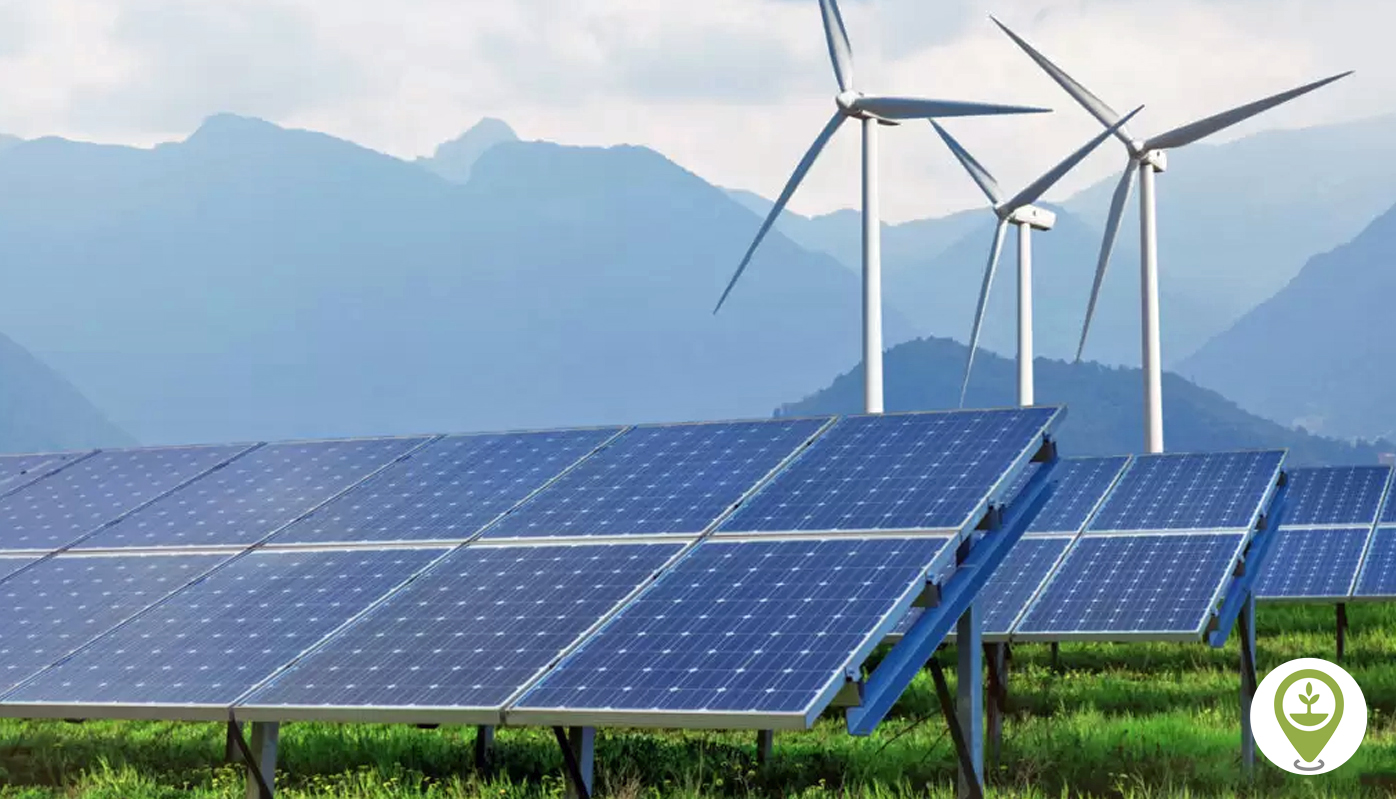
Finally, appreciating the concept of net energy highlights the importance of investing in renewable energy sources. While all energy sources involve some losses, renewables like solar and wind are often more efficient overall than fossil fuels, and they produce much less pollution.
So, next time you’re thinking about your energy bill, remember the cake analogy. Focus on maximizing the "cake" you get to enjoy (the usable energy) by minimizing the "batter stuck to the bowl" (the energy losses). By understanding and applying the principle of subtracting losses to determine net energy, you can become a smarter, more energy-conscious consumer and contribute to a more sustainable future.