Okay, people, let's talk about something *slightly* controversial. Something that's been bugging me for, well, a while.
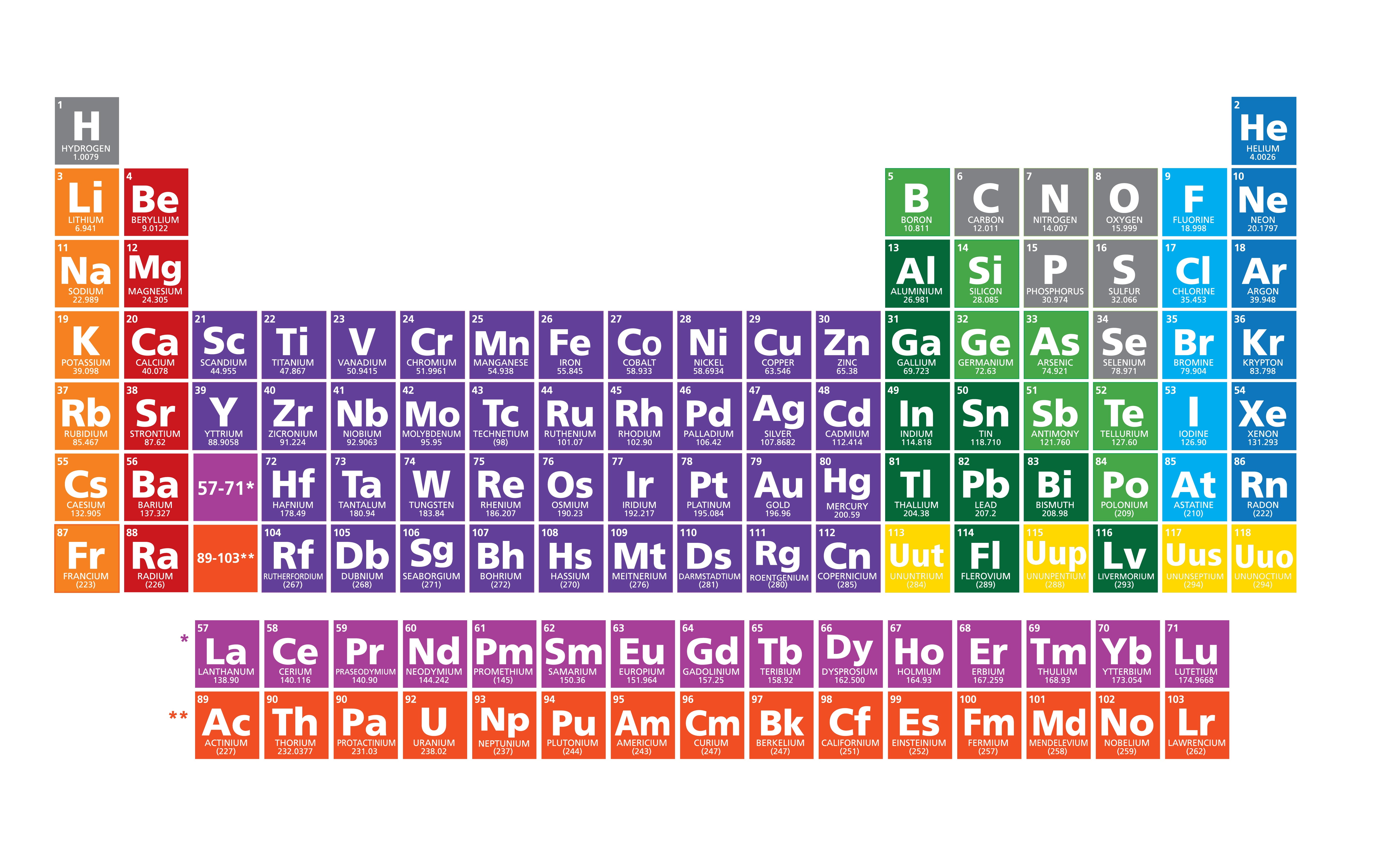
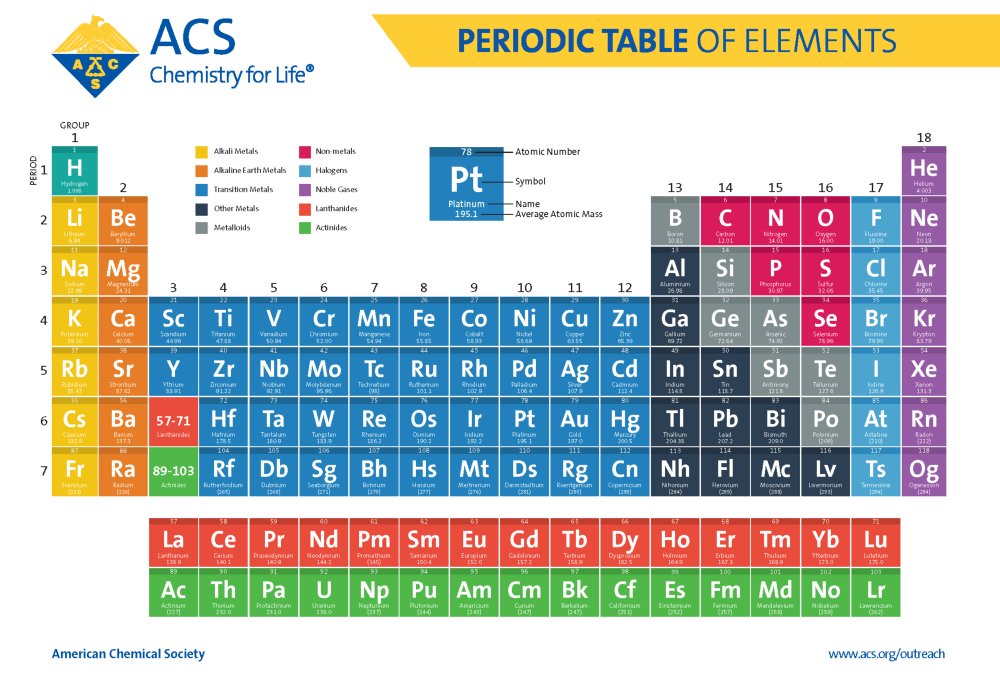
It's about *that* line. You know the one. The zigzaggy, stair-steppy line on the periodic table.
The one everyone pretends is super clear-cut. Is it? Really?
The Great Divide: Metals vs. Nonmetals (Supposedly)
We're told it divides the metals from the nonmetals. It's like a chemical Berlin Wall. One side glitters, the other...doesn't?
Except, reality is messier than my sock drawer. And that's saying something.
So, here's my radical thought. Buckle up.
The elements *touching* the zigzag line? They're all honorary metals.
Yep, I said it. Don't @ me.
Why This Unpopular Opinion?
Think about it. These are the rebels of the periodic table. They're flirting with both sides. They have one foot in Metal Land and one in Nonmetalville.
They're the ambidextrous chameleons of chemistry. They’re unique!
And who doesn't love a good chameleon?
They’re not fully committed to either team. They're playing the field. They're the cool kids at the periodic table party.
These elements, often called metalloids or *semi-metals*, are kind of metal-ish. They’re not *quite* metal, sure.
But they're trying! They're working on it! Give them some credit.
Boron, for example. Okay, it's technically a metalloid. But its compounds can be pretty darn metallic-like in certain conditions.
Silicon? The darling of the tech world. It conducts electricity... sometimes. That's more metal than my grandma's porcelain collection.
Germanium? Another semiconductor hero. Used in everything from transistors to solar cells. Sounds pretty metallic to me!
Arsenic? Okay, maybe not the *nicest* element. But it forms alloys with metals. That's like hanging out with the metal crowd, right?
Antimony? Used in flame retardants and batteries. Sounds like it's embracing its inner metal.
Tellurium? It improves the machinability of copper and steel. It's basically a metal's wingman.
Polonium? Radioactive and rare, but also metallic in appearance. It's got the looks, at least!
These elements are the bridge between two worlds. They deserve recognition for their efforts.
The Case for Honorary Metallicity
My reasoning is simple. They're *adjacent* to the metals. Proximity matters!
It's like that saying: You are who you hang out with. These elements are constantly rubbing elbows with the true metals.
Some of their properties lean towards metallic behavior. I mean, they conduct electricity better than pure nonmetals. Baby steps, people!
They're crucial in semiconductors, which are used in electronic devices. That's a pretty metal application, if you ask me.
Plus, it's just more fun to think of them as honorary metals. It makes the periodic table a bit more…inclusive.
Let's face it: labels are boring. Especially in chemistry. Things are never *just* one thing.
The periodic table is a spectrum. Not a strict dichotomy. There are gradients and nuances.
And these elements straddling the line perfectly embody that complexity.
I am willing to bet a crisp new dollar bill that if you were to ask Silicon, what does it want to be when it grows up? It would say 'a metal!'
The Metalloid Identity Crisis
The term "metalloid" just feels…wishy-washy. It's like saying someone is "sort of" a friend.
You're either a metal, a nonmetal, or...an honorary metal. Let's embrace the complexity.
Being a metalloid is like being stuck in middle school. You're not quite a kid, but not quite an adult. Awkward!
These elements deserve a cooler title. Something that reflects their almost-metallic nature.
And “honorary metal” just sounds more…respectful. Don't you think?
It's like giving them a participation trophy for trying their best to be metallic.
Benefits of the Honorary Metal System
Adopting this system would simplify things (sort of). It would spark interesting debates at chemistry parties. And it will make the periodic table more fun!
Imagine the conversations! "Oh, you're working with silicon? So, an honorary metal!"
It would also encourage students to think critically about the properties of elements. No more rote memorization!
We could even create a special section on the periodic table. The "Honorary Metal Zone."
Think of the merchandise possibilities! T-shirts, mugs, periodic table posters with a dedicated "Honorary Metals" section.
A Call to Action (Sort Of)
I'm not saying we should rewrite the textbooks tomorrow. But, let's consider this. Let's challenge the status quo. It's important to always question everything we know. Especially chemistry textbooks. Those things can be dry.
Let's have a good-natured debate about the elements touching the zigzag line.
Are they truly just "metalloids," or are they honorary members of the metal club?
I know where *I* stand. I'm ready to defend my position.
So, what do *you* think? Am I crazy? Or am I onto something?
Sound off in the comments below!
And remember: Chemistry is more fun when you're willing to challenge the rules. Or at least bend them a little.
After all, isn't that what those elements on the zigzag line are already doing?
They are the coolest ones on the block.
They are not afraid to be different.
Let's celebrate their unique status.
I'm out.