Have you ever stopped to think about the invisible dance of energy that powers our modern lives? We flip a switch, and lights blaze. We plug in our phones, and they magically recharge. It's easy to take for granted the intricate workings of electrical circuits, but understanding the actual power used by these circuits can be surprisingly fascinating, and even empower you to make smarter choices.
Why should you care? Well, understanding actual power, often called real power, helps you avoid electrical surprises, like tripped breakers or unexpected energy bills. It's the key to knowing how much juice your devices really need and how efficiently they're using it. In essence, it's about becoming a more informed and responsible consumer of electricity.
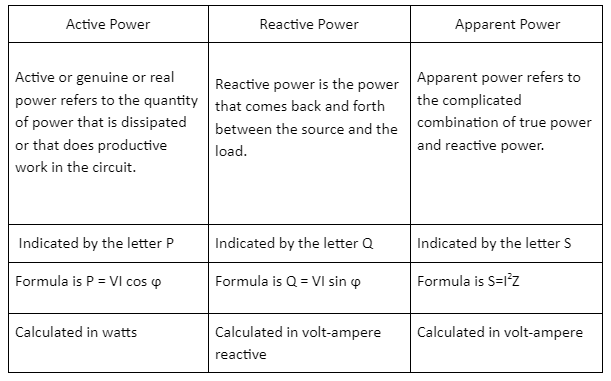
So, what is actual power? It's the amount of electrical power that is actually consumed by a circuit to perform useful work. Think of it like this: when you push a swing, some of your energy goes into making the swing move back and forth (the useful work), and some is lost to friction (heat). Actual power focuses only on the energy directly converted into the desired output, measured in watts (W). This is different from apparent power, which includes reactive power (the "friction" in our analogy), a concept important for engineers but less crucial for everyday users.
The benefits of understanding actual power extend to almost every corner of our lives. Consider your kitchen. Your microwave, refrigerator, and blender all have different power demands. Knowing the actual power each appliance uses helps you understand how much energy you're consuming to heat up leftovers or blend a smoothie. This knowledge, in turn, helps you make informed decisions about replacing older, less efficient appliances with newer, energy-saving models. It's like knowing how many miles per gallon your car gets – you can make better choices about fuel consumption!
Another common example is lighting. Incandescent bulbs, while producing warm light, are notoriously inefficient, converting a large portion of their energy into heat rather than light. Switching to LEDs, which consume significantly less actual power to produce the same amount of light, can dramatically reduce your electricity bill. The power rating on the bulb package (e.g., 10W LED equivalent to a 60W incandescent) directly relates to the actual power used.
So, how can you enjoy (or at least, benefit from) understanding actual power more effectively? Here are a few practical tips:
- Read the Labels: Pay attention to the wattage listed on your appliances and electronic devices. This indicates the actual power they typically consume.
- Use a Power Meter: Consider purchasing a power meter to measure the actual power consumption of specific devices over time. This can reveal energy hogs you might not suspect.
- Choose Energy-Efficient Options: Look for the Energy Star label when buying new appliances. These products meet strict energy efficiency guidelines and consume less actual power.
- Unplug When Not in Use: Many devices continue to draw a small amount of power even when turned off. Unplugging them can save energy and reduce your carbon footprint. This is sometimes called "phantom load" or "vampire power."
- Be Mindful of Usage: Simple adjustments, like taking shorter showers (reducing water heater usage) or turning off lights when leaving a room, can make a big difference in your overall energy consumption.
Understanding actual power isn't about becoming an electrical engineer. It's about gaining a better understanding of the energy that fuels our lives and making more informed choices to save money, reduce our environmental impact, and live more sustainably. Embrace the power of knowledge – it's a surprisingly electrifying experience!