So, there I was, staring at this little plastic thing, the pressure switch. It looked innocent enough, like a tiny referee in the colossal game of heating my house.
My mission? To figure out if this miniature tyrant was the reason my furnace had decided to take an unscheduled vacation in the middle of January. It felt like a DIY detective novel, only instead of a magnifying glass, I had a multimeter.
The first step? Locating the beast. Tucked away, almost apologetically, behind a maze of wires and metal. It's like a game of hide-and-seek, where the prize is a warm living room.
I unplugged a little tube. It was like disconnecting a tiny life support system. I held my breath. No dramatic hissing sound effects, thankfully.
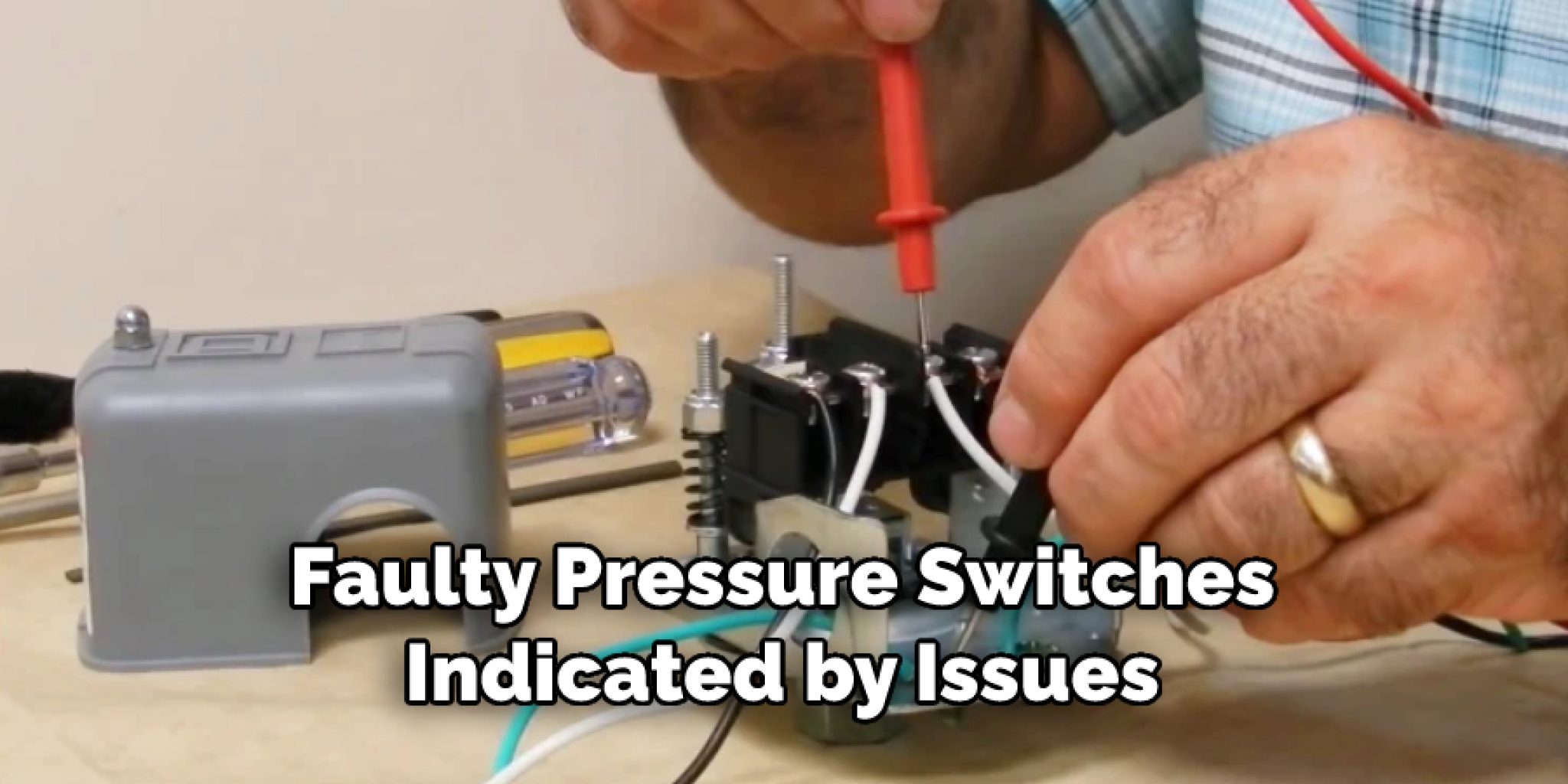
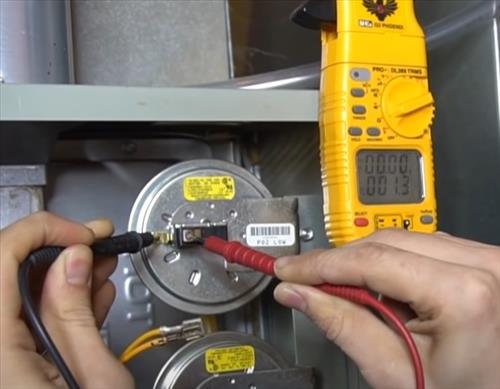
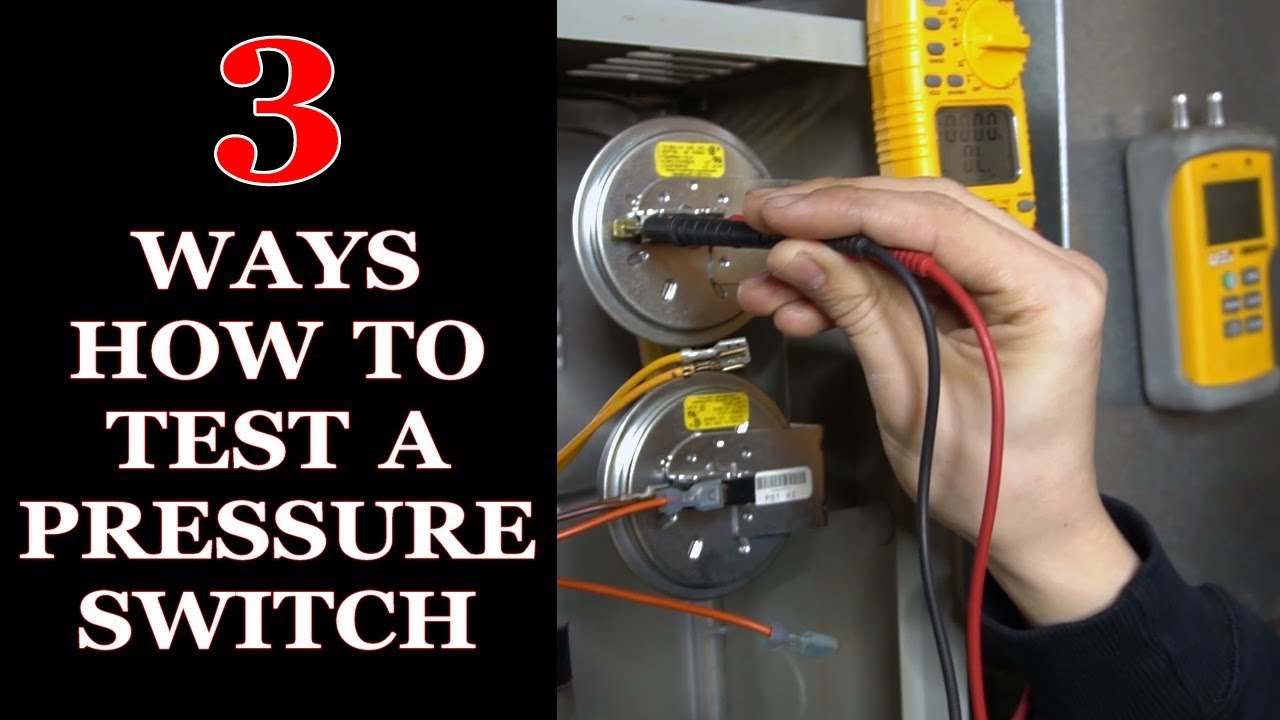
Then I grabbed my trusty multimeter. It's basically a fancy electrical translator. It's supposed to tell you if electricity is doing what it's supposed to be doing.
Setting it to continuity mode, I touched the probes to the switch's terminals. The multimeter remained stubbornly silent. Uh oh.
Next, the fun part: manually activating the switch. This is where things got…interesting. It involved a little tube and, well, my mouth.
I tentatively put the tube to my lips and gave a gentle puff. Not too hard, I didn't want to accidentally create a black hole in my furnace.
With the slightest bit of pressure, I puffed into the tube. Nothing. Silence. It was like trying to convince a toddler to share their candy.
I tried again, a little harder this time. Still nothing. My cheeks were starting to puff out like a chipmunk.
A bit more pressure, and finally… a click! The multimeter beeped excitedly. Success! For a brief, glorious moment, I was an HVAC hero.
But the victory was short-lived. As soon as I stopped blowing, the switch clicked back off. Apparently, it only worked if I continuously provided the "wind" needed.
I spent the next five minutes puffing on that little tube like I was trying to win a harmonica contest. My wife walked in and gave me the strangest look.
"What are you doing?" she asked, trying to stifle a laugh.
"Just… testing the furnace," I gasped, mid-puff. I'm pretty sure I looked like a goldfish struggling for air.
She just shook her head and walked away. I could hear her giggling in the other room. Sometimes, DIY projects are more entertaining for the audience than the participant.
Clearly, holding the pressure switch in place with lung power wasn't a long-term solution. It looked like the switch was working, but just barely.
I decided to try cleaning the tube leading to the pressure switch. Maybe it was blocked.
I detached the tube from the furnace and tried blowing through it. It felt like trying to inflate a brick.
I grabbed a thin wire and carefully poked it through the tube. Gunk, glorious gunk, came oozing out. It was like unearthing ancient, fossilized furnace dust.
After a thorough cleaning, I reattached the tube. Fingers crossed, I fired up the furnace.
And… nothing. Still no heat. The furnace stubbornly refused to cooperate.
Defeated, I admitted to myself that I had reached the limit of my amateur HVAC skills. It was time to call a professional.
The HVAC technician arrived, a man who clearly knew his way around a furnace. He listened patiently as I explained my puffing-and-multimeter saga.
He chuckled, "Yeah, those pressure switches can be tricky." He then proceeded to test the switch with his own, significantly more sophisticated equipment.
Turns out, the pressure switch was indeed faulty. But the real culprit? A blocked vent, causing insufficient airflow. The pressure switch was just doing its job, sensing the problem.
He cleared the vent, replaced the pressure switch (just to be safe), and within minutes, the furnace was roaring back to life. I felt a mix of relief and mild embarrassment.
So, what did I learn from this experience? First, pressure switches are small but mighty. Second, lung capacity is not a reliable diagnostic tool for furnace repair. And third, sometimes, it's best to leave it to the professionals.
The technician even complimented my persistence. "You almost had it," he said. Which, I suppose, is like getting a participation trophy for nearly freezing your toes off.
Despite the minor setbacks, I found myself oddly proud of my attempt. At least I tried. And I have a great story to tell at parties.
Plus, I now have a newfound respect for HVAC technicians. They are the unsung heroes of winter, battling the forces of frozen pipes and malfunctioning furnaces.
And who knows, maybe one day I'll actually fix something without making a spectacle of myself. But until then, I'll stick to puffing on harmonica, not furnace tubes.
Now, the smell of warm air filled the house, I could smile. The brief moment of furnace vacation ended.
My next adventure? Probably something equally technical and humorous, like unclogging a drain with a coat hanger and a prayer.
But for now, I'm just enjoying the warmth. And maybe practicing my harmonica skills. Just in case.
Another pressure switch story:
My friend, let's call him Bob, decided to test his pressure switch. Bob is a man who approaches every DIY project with the enthusiasm of a squirrel discovering a hidden nut stash.
He'd watched a YouTube video (naturally) and felt confident he could diagnose the issue himself. Armed with a multimeter and an unwarranted sense of optimism, he ventured into the depths of his basement.
Bob, unlike me, decided to skip the gentle puff test. He figured a stronger blast of air would provide a more definitive result. Think of it as the "shock and awe" approach to furnace repair.
He took a deep breath and blew into the tube with all his might. The force of his exhalation was so strong, it dislodged the tube from the pressure switch.
The loose tube whipped around like a rogue snake, spraying Bob in the face with…well, let's just say it wasn't fresh mountain air. It was more like the concentrated essence of furnace grime.
Bob emerged from the basement covered in black soot, looking like he'd just survived a coal mine explosion. His wife shrieked when she saw him.
After a thorough scrubbing, Bob managed to salvage the situation. He reattached the tube (this time securely) and sheepishly called an HVAC technician.
The technician, upon hearing Bob's story, couldn't stop laughing. He even took a picture of Bob's soot-covered face to show his colleagues.
Bob learned a valuable lesson that day: sometimes, less is more. And that YouTube videos should come with a disclaimer: "May result in unexpected soot showers."
However, Bob's story serves as a cautionary tale, reminding us that even the simplest DIY projects can go hilariously wrong. And that sometimes, the best way to fix something is to know when to call for help.
Moral of the story:
So, the next time your furnace acts up, remember my story and Bob's story. Consider your skill level, your lung capacity, and your tolerance for unexpected soot showers.
And if you find yourself puffing on a tube in your basement, remember to take a picture. You might just end up with a great story to tell. And maybe a viral video.
But most importantly, stay warm. Because a cold house and a broken furnace are no laughing matter. Unless, of course, you have a good sense of humor. And a really good HVAC technician on speed dial.