Let's face it, talking about hot water heaters isn't exactly the life of the party. But hear me out! Choosing the right one can seriously impact your comfort, your wallet, and even your home's efficiency. Think of it as unlocking a secret level of homeownership! So, buckle up as we dive into the epic showdown: Tankless vs. Tank hot water heaters!
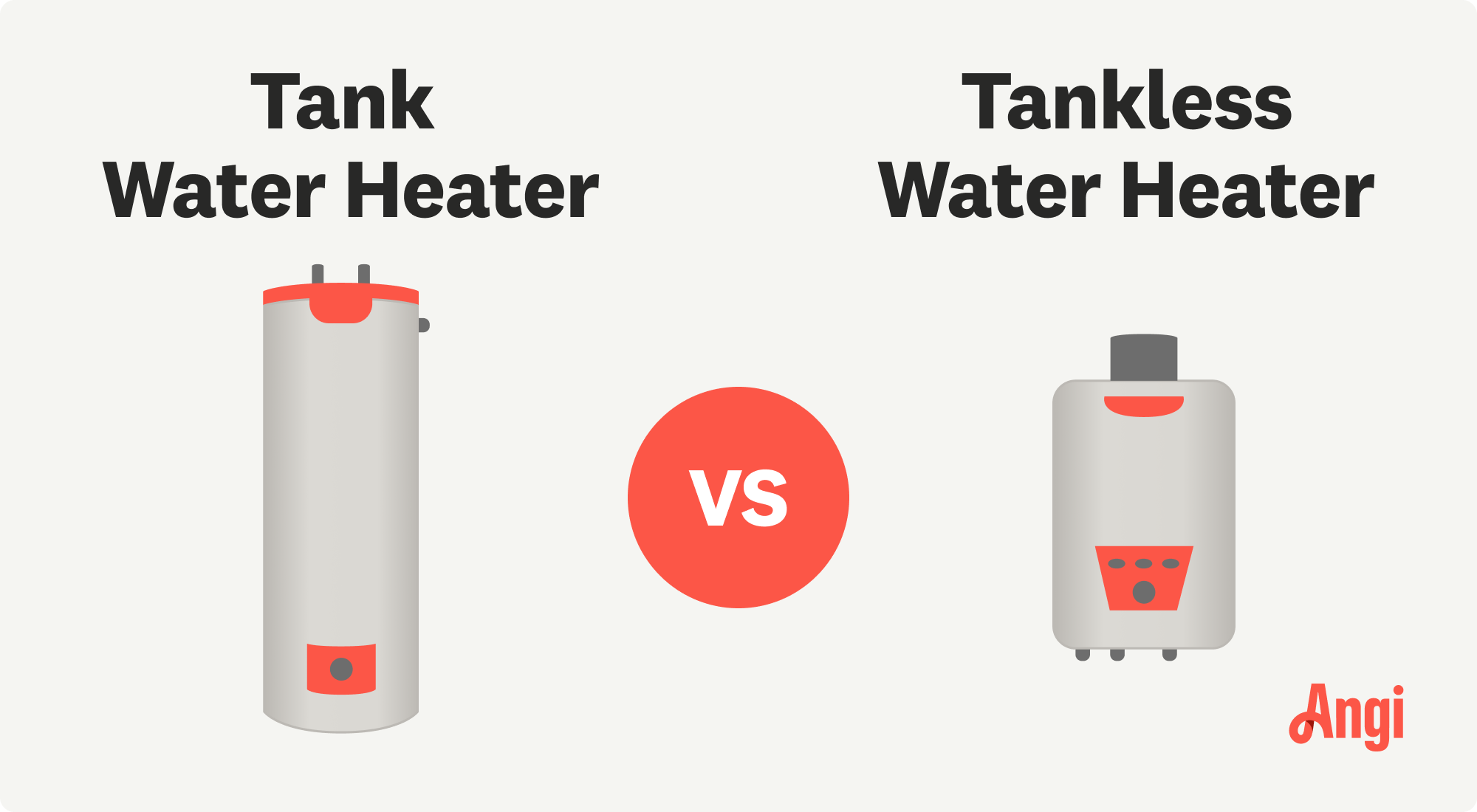
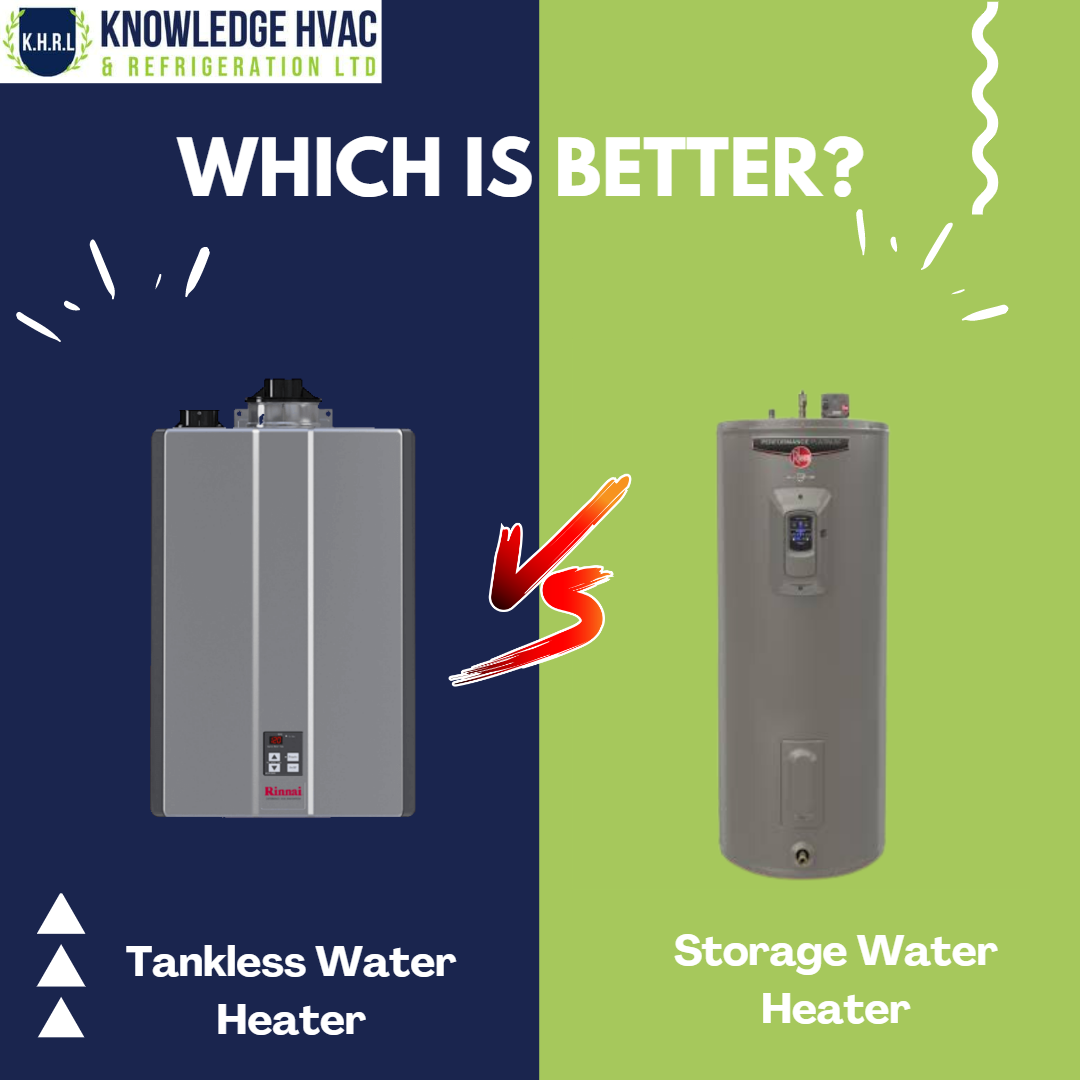
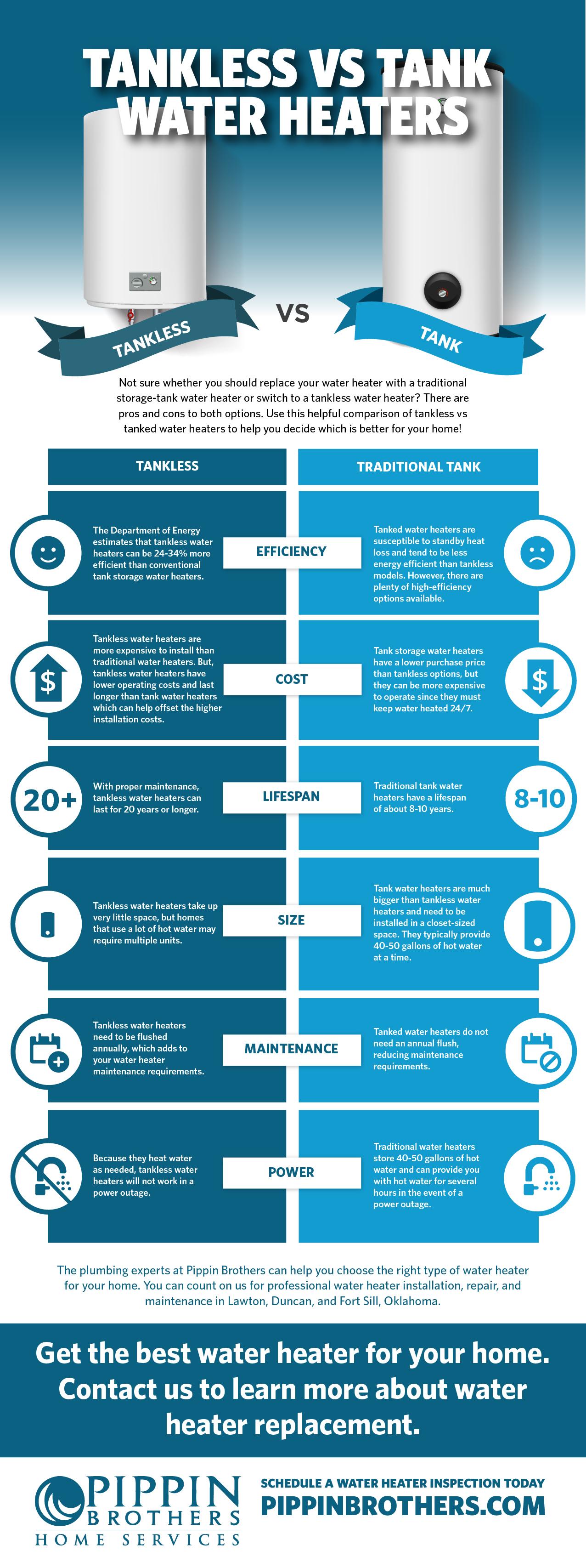
First, let's talk about the basics. Both types of heaters have the same fundamental purpose: to provide you with that glorious, steaming hot water for showers, dishwashing, and laundry. But they achieve this in very different ways. A traditional tank water heater, as the name suggests, heats and stores a large volume of water (usually 40-60 gallons) in a big insulated tank. This water is kept hot and ready for whenever you need it. Tankless water heaters, on the other hand, are the ninjas of the water heating world. They heat water on demand, only when you turn on a hot water tap. No tank, no stored water, just instant heat!
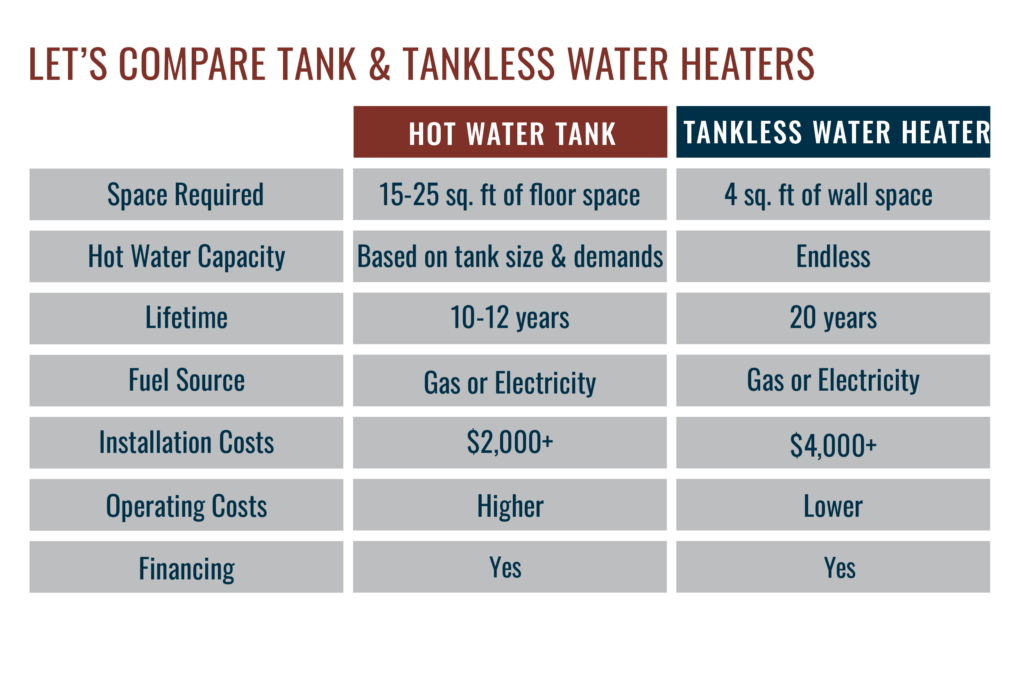
So, what are the benefits of sticking with the tried-and-true tank heater? Well, they typically have a lower upfront cost, making them a more budget-friendly option initially. Installation is usually simpler, too, especially if you're replacing an existing tank heater. They're also readily available and familiar to most plumbers. Plus, if you experience a power outage, you'll still have access to the hot water stored in the tank (until it runs out, of course!).
Now, let's shine a spotlight on the tankless champions! The biggest advantage of a tankless water heater is unlimited hot water. Seriously, no more fighting over the last drop in the shower! They heat water continuously as you need it. Secondly, they are more energy-efficient than tank heaters because they don't waste energy constantly reheating stored water. This can lead to significant savings on your energy bills over time. Tankless heaters also boast a longer lifespan than their tank counterparts, often lasting 20 years or more. And since they're much smaller, they save valuable space in your home.
However, tankless heaters aren't without their drawbacks. The initial investment is higher, and installation can be more complex, potentially requiring electrical or gas line upgrades. Also, some older homes might not have the necessary gas or electrical capacity to support a tankless system. Finally, you might experience a slight delay in hot water delivery as the unit kicks in, though this is usually brief.
Ultimately, the best choice for you depends on your individual needs and circumstances. Consider your budget, your hot water usage, the size of your home, and your long-term goals. Do you need a reliable and affordable option? A tank heater might be the way to go. Are you looking for unlimited hot water, energy savings, and a longer lifespan? Then a tankless heater might be the perfect fit. Do your research, get quotes from reputable plumbers, and choose the hot water hero that best suits your needs. Happy heating!