Ever wondered how those sleek stainless steel handrails in parks, the gleaming pipes in a brewery, or even the durable exhaust systems on some cars are put together? Chances are, a little magic called stainless steel stick welding played a role. It might sound intimidating, but understanding the basics of stainless steel stick welding rods is actually quite fascinating, and could even unlock some cool DIY projects! It’s relevant because stainless steel is everywhere, known for its corrosion resistance and strength, making it perfect for applications exposed to the elements or requiring hygiene.
So, what's the deal with these rods? Simply put, a stainless steel stick welding rod (also called an electrode) is a consumable metallic rod used in shielded metal arc welding (SMAW), also known as stick welding. The rod is coated with a flux, which melts during the welding process and creates a protective gas shield around the weld. This shield is crucial; it prevents atmospheric gases (like oxygen and nitrogen) from contaminating the molten weld pool, which would weaken the final weld. The rod itself acts as both the filler metal – the stuff that actually joins the two pieces of metal together – and the electrical conductor.
The benefits of using stainless steel stick welding are numerous. Firstly, it's relatively portable and affordable. You don't need fancy gas cylinders or complex equipment. Secondly, it's quite versatile. While there are specialized welding processes better suited to thin materials, stick welding can handle a decent range of material thicknesses. Thirdly, it offers good weld quality on stainless steel, ensuring strong and corrosion-resistant joints. Think of it as the reliable workhorse of welding processes.
Where might you encounter this in action? In education, welding students often begin with stick welding as it teaches fundamental principles. Learning to control the arc, maintain a consistent travel speed, and select the right rod for the material are invaluable skills. In daily life, it shows up in countless applications. For example, vocational agriculture classes use it to repair farm equipment made of stainless steel. Many metal artists employ stainless stick welding to create outdoor sculptures.
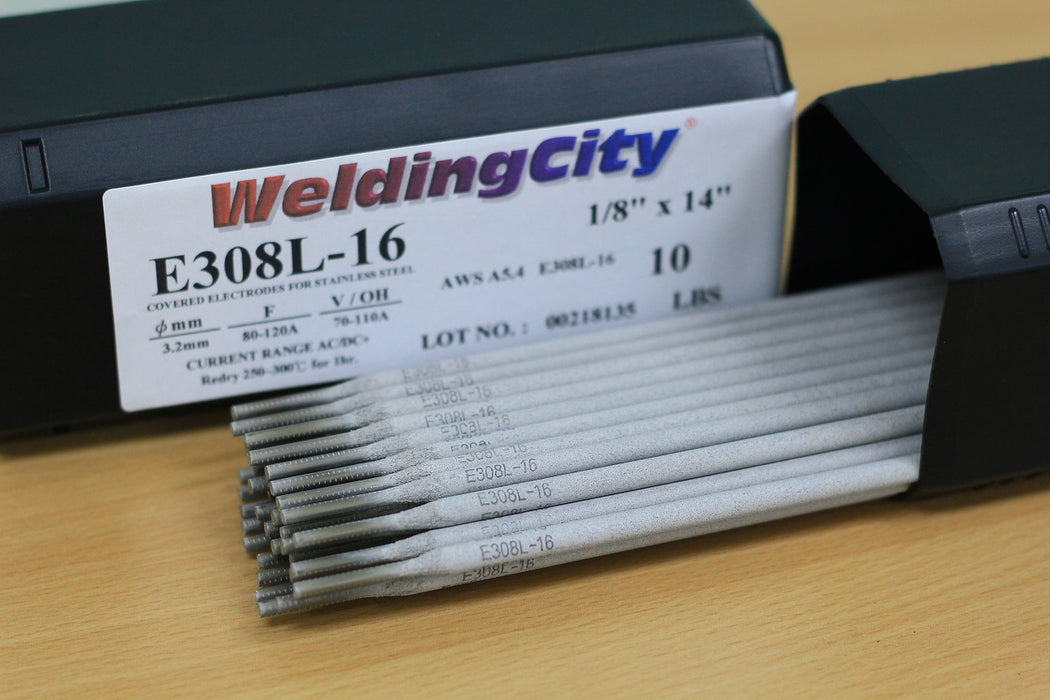
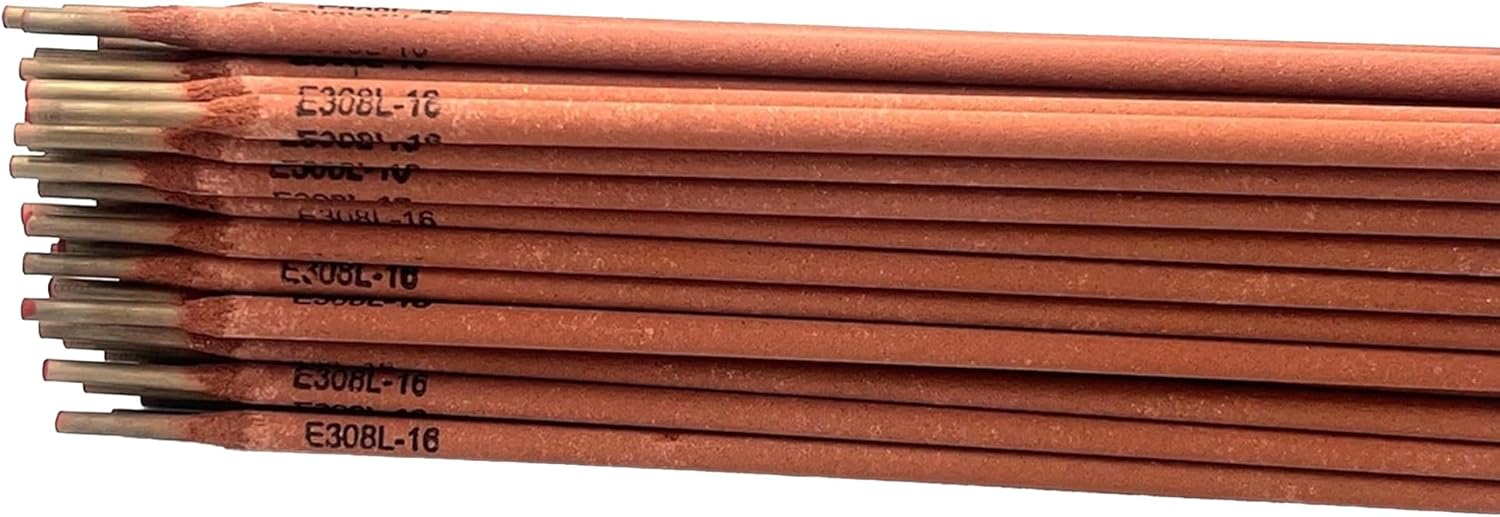
Want to explore stainless steel stick welding yourself? Start small! A great initial project could be simply joining two small pieces of scrap stainless steel together. Before you begin, safety is paramount! Always wear a welding helmet, gloves, and appropriate clothing to protect yourself from sparks, UV radiation, and heat. Practice striking an arc on a scrap piece of metal until you get the hang of it. Consider taking an introductory welding class at a local community college or trade school. Many community centers and maker spaces also offer beginner courses. When selecting rods, research the specific type of stainless steel you're welding, as different grades require different rod compositions. For example, 304 stainless steel is a common grade, and corresponding 308 or 308L rods are often used. There are loads of online resources that can help you understand the specifics of rod selection based on the base metal.