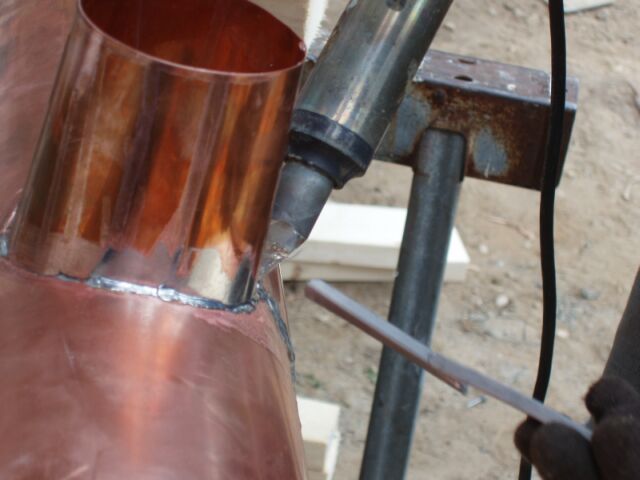
Okay, let's talk copper roofing and the magic wand that helps bring it all together: the soldering iron! You might think of soldering as something super technical, but trust me, it's a surprisingly accessible skill, and working with copper – especially on a smaller scale – can be incredibly rewarding. Plus, that satisfying glint of perfectly joined copper? Chef's kiss! This isn't just for seasoned professionals; it's something beginners, families looking for a unique DIY project, and hobbyists can definitely dive into.
So, why solder copper roofing? Well, copper is an amazing material. It's beautiful, durable, and naturally resistant to corrosion. But to create a weathertight and long-lasting roof, you need to join those copper pieces together seamlessly. That's where soldering comes in. Think of it as welding for smaller projects, using heat and solder (a metal alloy that melts at a lower temperature than copper) to create a strong, waterproof bond. Soldering ensures that water can't seep through the seams, protecting your roof (or your copper-clad birdhouse!) from the elements.
For beginners, soldering copper offers a fantastic introduction to metalworking. Imagine crafting small copper accents for your garden or repairing a leaky gutter (safely, of course!). It's a tactile skill that builds confidence. Families could collaborate on a miniature copper roof for a dollhouse or a decorative piece for the garden. It's a great way to teach kids about tools, materials, and the satisfaction of creating something together. Hobbyists might use soldering for intricate copper artwork, creating custom flashings, or even building small-scale replicas of historic copper roofs. The possibilities are really endless!
Now, let's talk variations. You can use different types of soldering irons, ranging from simple, inexpensive models to more sophisticated temperature-controlled stations. The type of solder also varies; for roofing, you'll typically want a lead-free solder specifically designed for copper. And the techniques! You'll learn about applying flux (a cleaning agent that helps the solder flow), controlling the heat, and creating strong, even seams. Think about it: you could be soldering flat seams, standing seams, or even creating decorative details using solder.
Ready to get started? Here are a few simple tips: First, safety first! Always wear eye protection and work in a well-ventilated area. Second, practice makes perfect. Start with scrap pieces of copper to get a feel for the heat and how the solder flows. Third, clean your copper thoroughly before soldering. A clean surface ensures a strong bond. Fourth, use flux! It's your best friend when soldering copper. And finally, don't be afraid to experiment and watch tutorials. There are tons of great resources online to help you along the way.
Soldering copper roofing (or smaller copper projects) isn't just about fixing things; it's about creating. It's about the satisfaction of taking raw materials and transforming them into something beautiful and functional. It's a skill that will last a lifetime, opening up a world of creative possibilities. So grab a soldering iron, some copper, and get ready to experience the joy of soldering!