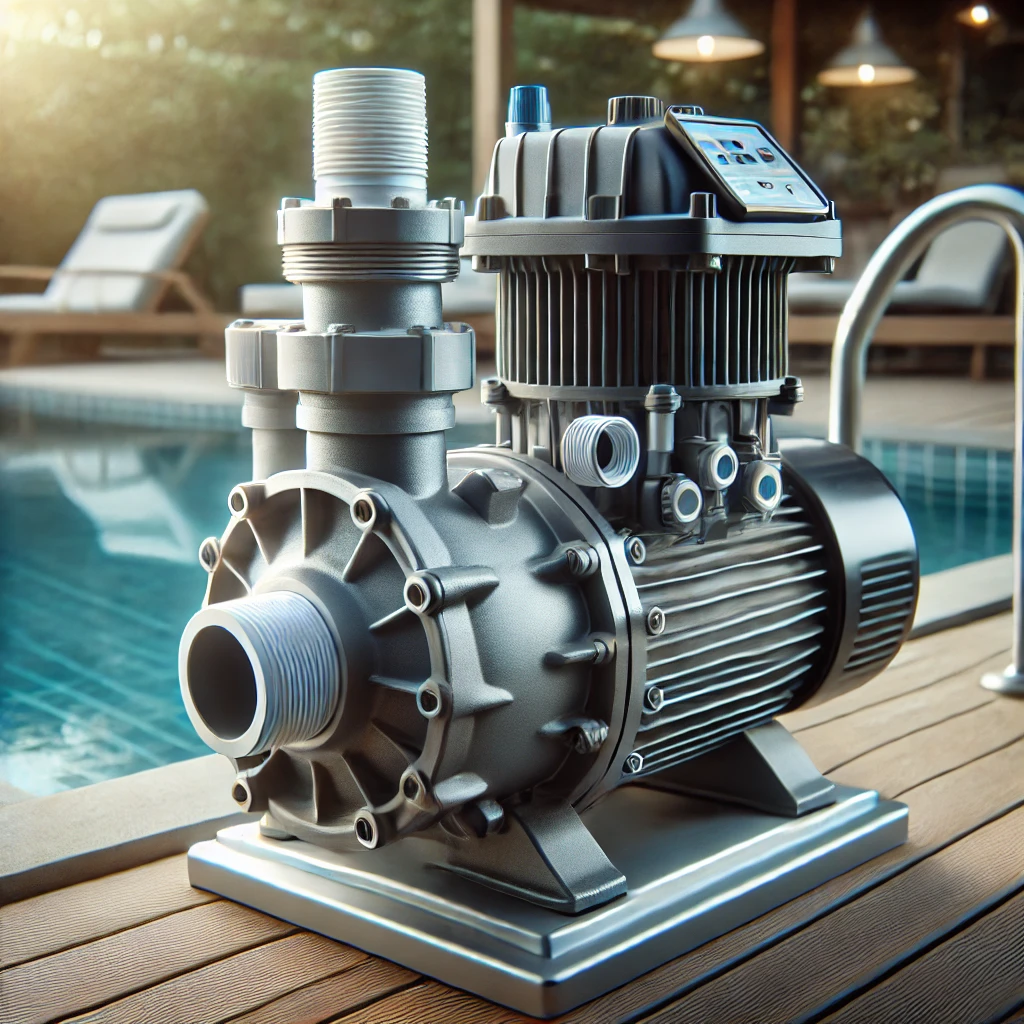
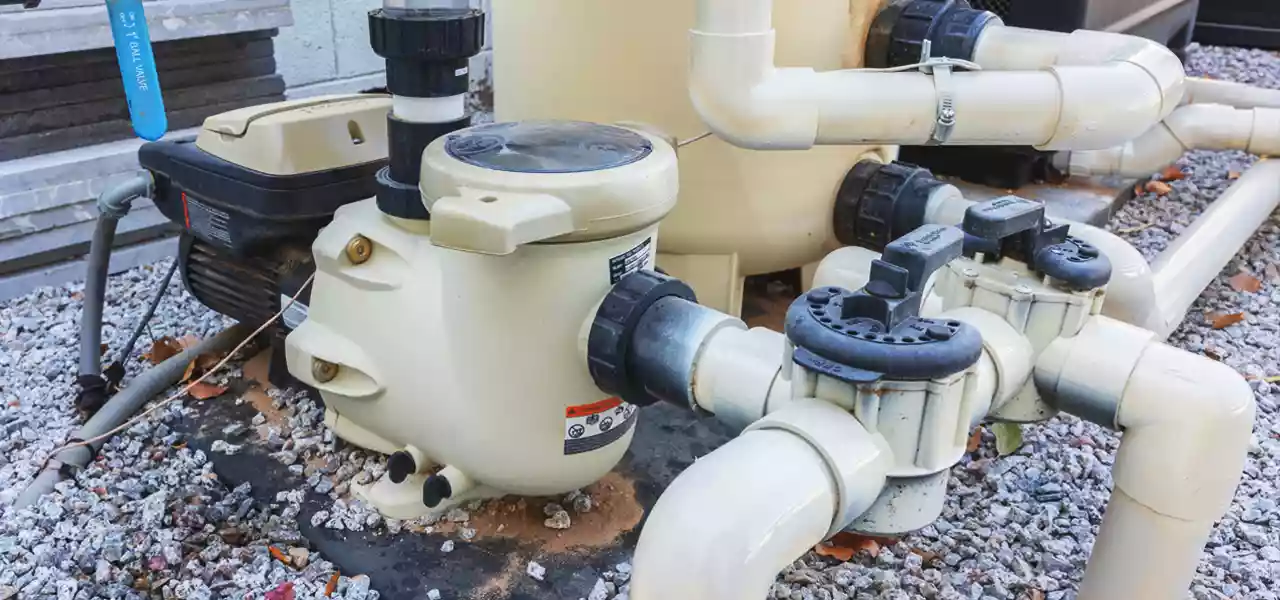
Ah, the shimmering allure of a swimming pool. A private oasis in your backyard, beckoning you to cool off on a sweltering summer day. Whether you're doing laps for exercise, hosting a lively pool party, or simply floating serenely with a refreshing drink in hand, there's no denying the joy a pool can bring. But maintaining that pristine, inviting water requires more than just the occasional chlorine tablet. It demands a silent, tireless worker: your pool pump.
The primary purpose of your pool pump is simple: circulation. Think of it as the heart of your pool's filtration system. It draws water from the pool, pushes it through the filter to remove debris like leaves, insects, and even microscopic particles, and then returns the sparkling clean water back to the pool. This constant movement prevents stagnation, which can lead to algae growth, cloudy water, and a breeding ground for unwanted bacteria. A well-functioning pool pump is essential for maintaining a healthy and enjoyable swimming environment.
You might be tempted to think, "If circulation is good, then constant circulation must be even better! Should I just run my pool pump 24/7?" That's where things get a little more nuanced. While continuous filtration does ensure the water is constantly being cleaned, it also comes with some significant drawbacks. The most obvious is the energy cost. Running a pool pump non-stop can dramatically increase your electricity bill. Secondly, it can significantly shorten the lifespan of your pump. Constant use puts unnecessary wear and tear on the motor, leading to more frequent repairs and eventual replacement.
So, what's the sweet spot? The general recommendation is to run your pool pump for at least 8 to 12 hours per day. This is typically sufficient to circulate the entire volume of your pool at least once, providing adequate filtration and preventing algae growth. However, several factors can influence the ideal runtime.
Consider these practical tips to optimize your pool pump usage:
- Pool Size: Larger pools require longer run times to ensure complete water circulation.
- Usage: If your pool is heavily used, especially during peak season, you'll need to increase the pump's runtime. After a busy pool party, for instance, running the pump for a few extra hours can help clear up any cloudiness and prevent algae blooms.
- Filter Type: Different filter types have different flow rates and filtration capabilities. Consult your filter's manual for recommended pump run times.
- Variable Speed Pumps: If you're looking for a more energy-efficient solution, consider investing in a variable speed pump. These pumps allow you to run at lower speeds for longer periods, providing better filtration and significant energy savings. They are highly recommended.
- Time of Day: Take advantage of off-peak electricity hours, usually during the night, to run your pump and save money.
- Regular Maintenance: Keep your filter clean and your pump in good working order. A clogged filter forces the pump to work harder, increasing energy consumption and potentially damaging the motor.
Ultimately, the ideal pool pump runtime is a balance between water quality, energy efficiency, and equipment longevity. By understanding the factors that influence circulation and adopting these practical tips, you can keep your pool sparkling clean and inviting without breaking the bank. Enjoy your swim!