Ever stopped to think about what really keeps us going? Not just the food we eat, but the actual energy that powers our lives, and all life around us? It’s a fascinating rabbit hole to dive into, and understanding the different forms of energy crucial for life can be surprisingly empowering. Whether you're a science newbie, a parent trying to explain the world to your kids, or just someone curious about the forces shaping our planet, there's something here for you!
So, what's the point of knowing this stuff? For beginners, it's about appreciating the intricate web of life. Understanding that everything is interconnected through energy flows allows you to see the world in a new light. For families, it’s a fantastic opportunity to explore science together! Imagine building a simple solar oven or discussing how plants use sunlight to make food. And for hobbyists, like gardeners or outdoor enthusiasts, understanding energy cycles can directly impact your practices, leading to healthier gardens or a deeper appreciation for the ecosystems you explore.
Let's break down some of the key players in the energy-for-life game:
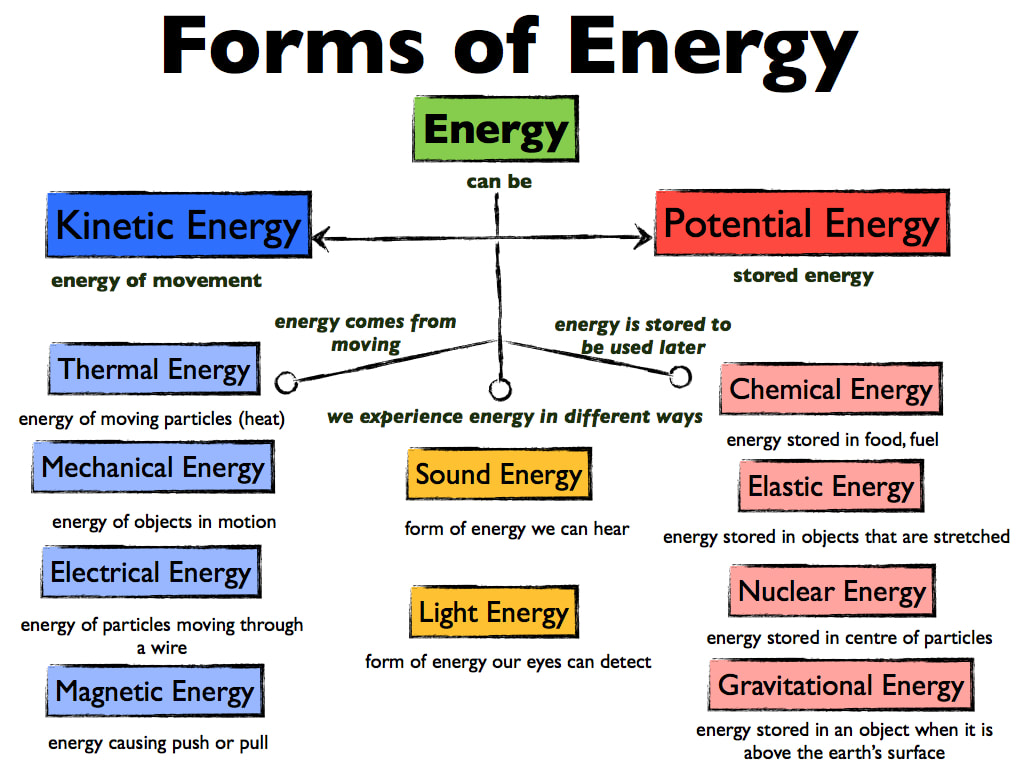
- Solar Energy (Light): This is the big one. Plants use photosynthesis to convert sunlight into chemical energy (sugars), which forms the base of most food chains. Without sunlight, life as we know it wouldn't exist. Think of it as the engine that drives almost everything.
- Chemical Energy: This is the energy stored in the bonds of molecules, like the sugars plants create or the food we eat. When we digest food, we're breaking those bonds and releasing the energy to power our bodies. It’s like fuel for our internal machines!
- Thermal Energy (Heat): While too much heat can be destructive, a certain amount is vital for maintaining stable temperatures for biological processes. Enzymes, the tiny workers inside our cells, function best within specific temperature ranges. Think of it as maintaining the right operating temperature for all the complex machinery inside living things.
- Kinetic Energy: The energy of motion! This includes everything from the movement of tiny molecules to the migration of animals. It’s essential for everything from nutrient transport to finding food and mates.
Examples abound! Consider a sunflower turning its head to follow the sun (maximizing solar energy capture). Or a bear hibernating for the winter, relying on stored chemical energy (fat) to survive. Even the simple act of breathing relies on the kinetic energy of air moving into and out of our lungs.
Want to get hands-on? Here are some simple tips:
- Grow a plant: Observe how it uses sunlight to grow. It's a miniature energy conversion factory right in your home!
- Cook with solar energy: Build a simple solar oven (plenty of DIY instructions online) and see how sunlight can cook food.
- Go for a nature walk: Pay attention to the different ways energy is being used by the plants and animals around you.
- Do a simple experiment: Test the temperature difference between a sunny and shady spot on a warm day.
Understanding the forms of energy that sustain life isn’t just about science; it's about appreciating the interconnectedness of our world and our place within it. It's about fostering a sense of wonder and responsibility towards the planet we call home. So, go forth, explore, and marvel at the amazing energy that powers everything!