Okay, picture this: I'm camping, right? Beautiful stars, crackling fire, the whole shebang. But then BAM! My phone dies. Cue the frantic search for a portable charger... which, of course, needs *electricity*. And suddenly, I'm contemplating the entire energy landscape of the modern world while roasting a marshmallow. That's when it hit me - we take energy for granted, but where does it *really* come from? Which brought me to renewables vs. non-renewables.
Let’s dive into the wild world of energy sources! We've got two main contenders: renewable and non-renewable. Think of it like this: renewables are the good guys, the ones that keep on giving. Non-renewables? Well, they’re like that last slice of pizza – delicious, but once it’s gone, it's gone. (And you're probably regretting eating it, later).
Renewable Energy: The Gift That Keeps On Giving (Mostly)
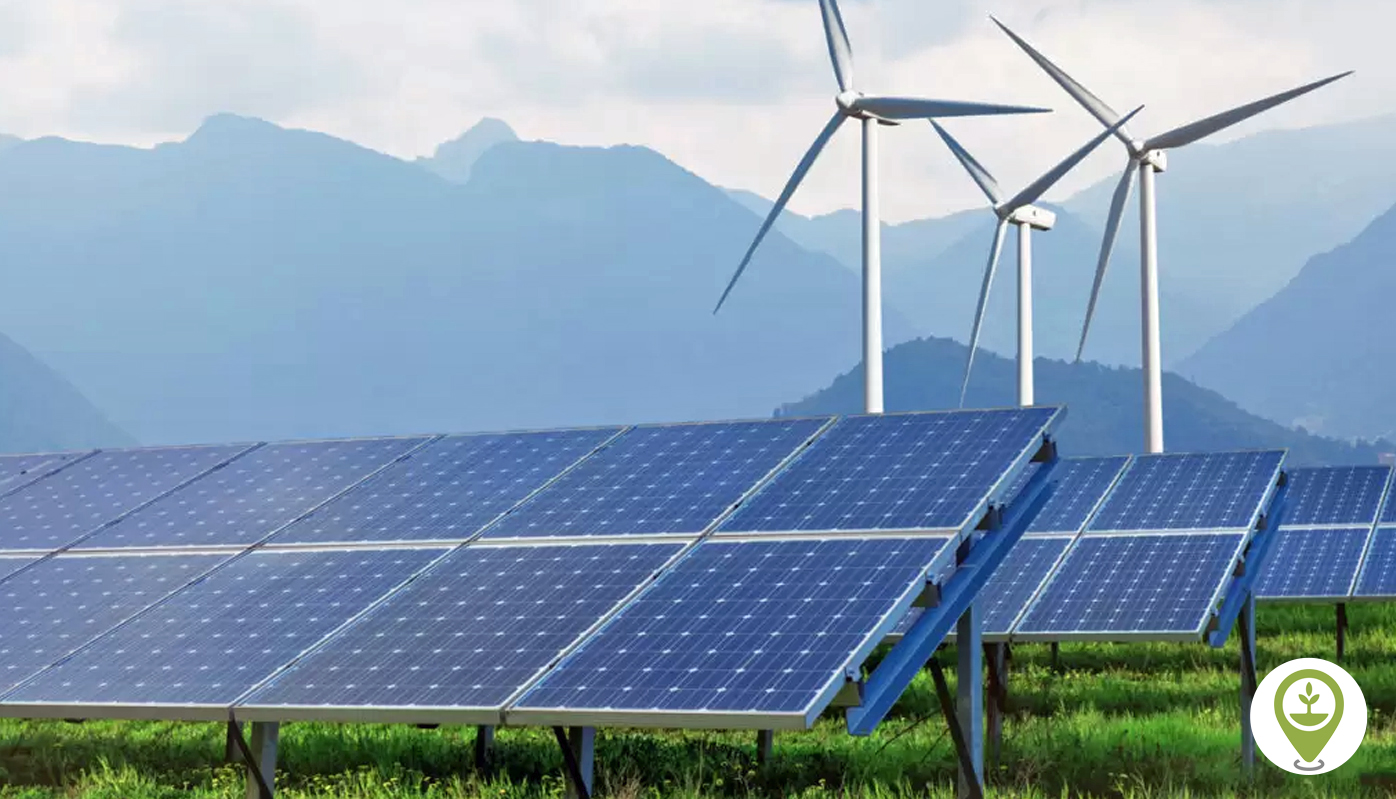
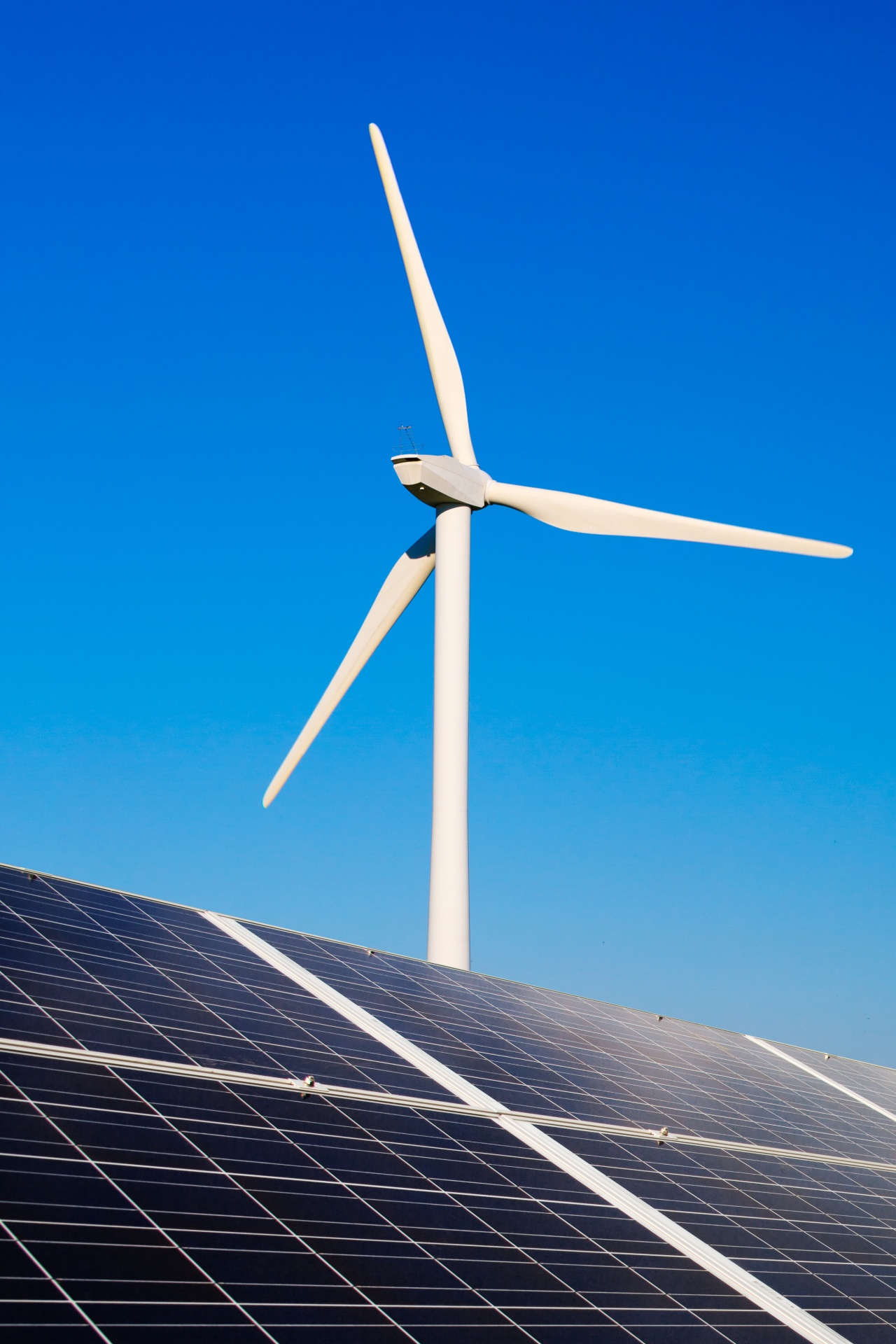
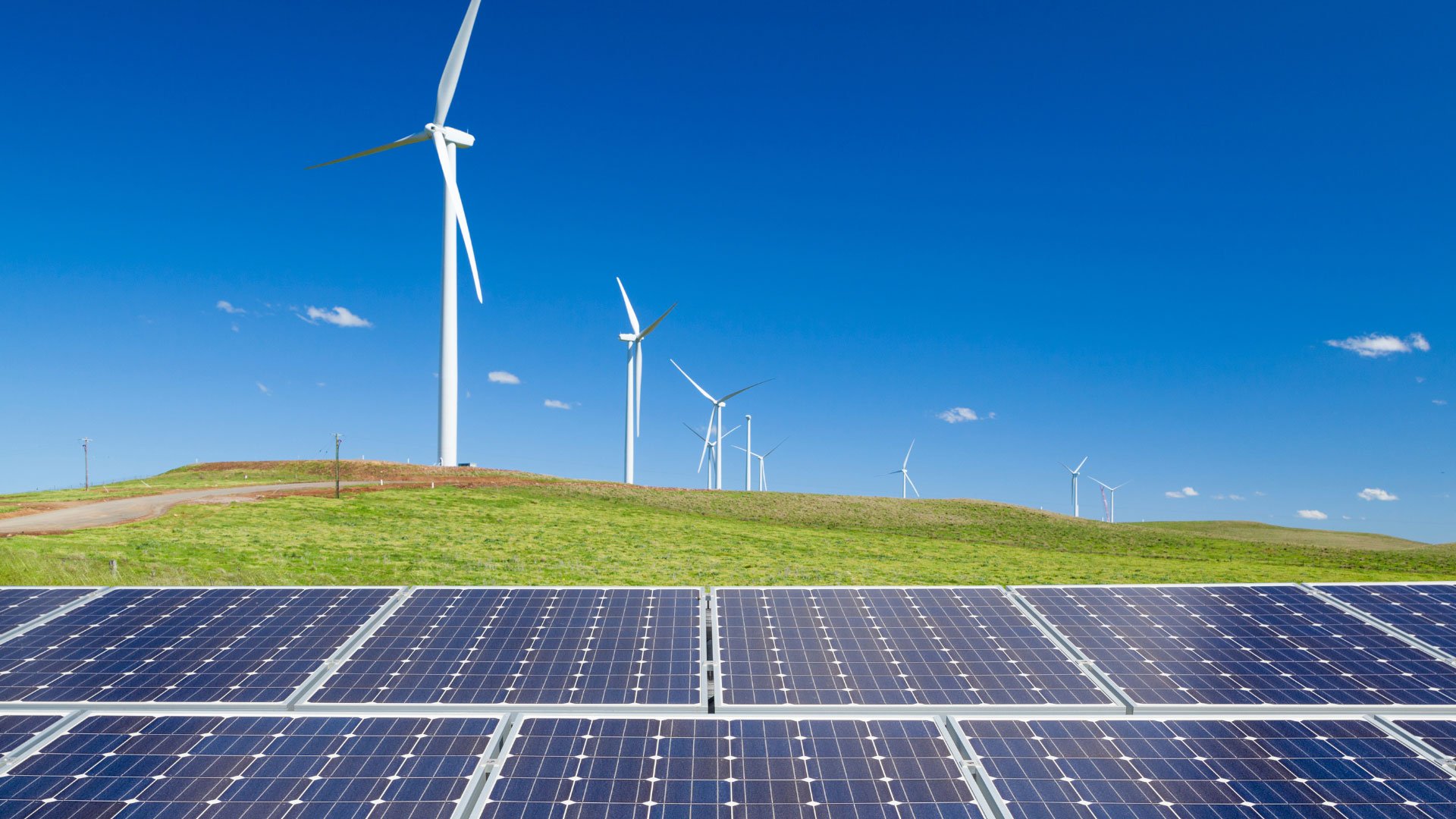
So, what exactly *are* renewables? We're talking solar power, wind energy, hydro power, geothermal, and biomass. These energy sources replenish naturally, meaning they won't run out... at least, not in our lifetime. (Hopefully!).
Advantages of Renewables:
- Sustainable: This is the big one. They're, you know, *renewable*. They replenish faster than we can use them.
- Lower Environmental Impact: Generally speaking, renewables produce far less pollution than fossil fuels. Think cleaner air, happier planets, and fewer grumpy polar bears.
- Job Creation: The renewable energy sector is booming, creating new jobs in manufacturing, installation, and maintenance. Who doesn’t want a job with a green vibe?
- Energy Independence: Countries can reduce their reliance on foreign energy sources by investing in renewables. Less international drama? Yes, please!
Disadvantages of Renewables:
- Intermittency: The sun doesn't always shine, the wind doesn't always blow, and rivers don't always flow at the same rate. This means we need energy storage solutions (like batteries) or backup power sources. (Kind of annoying, right?).
- High Upfront Costs: Building solar farms, wind turbines, and hydroelectric dams can be expensive. But hey, think of it as an investment in the future!
- Land Use: Renewable energy projects can require large areas of land, which can impact ecosystems and wildlife. There's always a trade-off, isn't there?
- Aesthetics: Let's be honest, not everyone loves the look of wind turbines dotting the landscape. It's a matter of perspective, I guess. Some people think they're majestic. Others think they look like giant metal aliens.
Non-Renewable Energy: The Legacy Fuels
Non-renewable energy sources are the fossil fuels: coal, oil, and natural gas. They were formed over millions of years from the remains of ancient plants and animals. They've powered our industrial revolution, but they're also causing some major headaches. Also, uranium is non-renewable and a key component of nuclear energy.
Advantages of Non-Renewables:
- Reliable and Abundant (For Now): Fossil fuels have been readily available and relatively cheap for a long time. They're a known quantity. (Although, prices fluctuate like crazy, right?).
- Established Infrastructure: We already have power plants, pipelines, and refineries built to process and distribute fossil fuels. It's a well-oiled machine, for better or worse.
- High Energy Density: Fossil fuels pack a lot of energy into a small volume, which makes them convenient for transportation and storage.
Disadvantages of Non-Renewables:
- Finite Supply: The biggie. Once we use them up, they're gone. Poof! No more dinosaurs to turn into oil. (Sorry!).
- Environmental Pollution: Burning fossil fuels releases greenhouse gases, which contribute to climate change. It also leads to air and water pollution, which is bad for our health and the environment.
- Resource Depletion: Extracting fossil fuels can damage ecosystems and displace communities. Mining coal can be particularly destructive.
- Geopolitical Instability: Control over fossil fuel reserves can lead to conflicts and political tensions. It's a messy business.
So, which is better? Honestly, there's no easy answer. Both renewable and non-renewable energy sources have their pros and cons. But, considering the climate crisis, and the fact that non-renewables will eventually run out, it seems like shifting towards renewables is the only real long-term solution.
The future is likely to be a mix of both, but with a growing emphasis on renewables. What do you think? Are you Team Solar or Team Coal? Let me know in the comments! (And maybe bring a portable solar charger next time we go camping... just in case.)