Alright, folks, let's talk about something that might not sound like a barrel of laughs upfront, but trust me, being prepared before disaster strikes is way more fun than scrambling when the wind and rain are howling! We're diving into emergency resources for Tropical Storm Helene, or any tropical cyclone that might be heading your way. Think of it as your superhero training manual for weather events! Why's it fun? Because knowing you're prepared gives you serious peace of mind, and that's priceless.
So, what's the point of all this preparedness talk? The purpose is simple: to keep you, your loved ones, and your property safe during a tropical cyclone. These storms can bring torrential rain, damaging winds, and flooding – not exactly a picnic. By understanding available emergency resources and making a plan, you dramatically increase your ability to weather the storm (pun intended!) and recover quickly afterward.
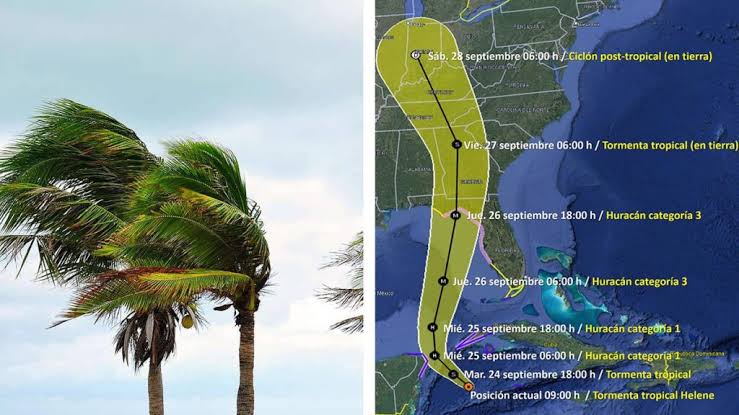
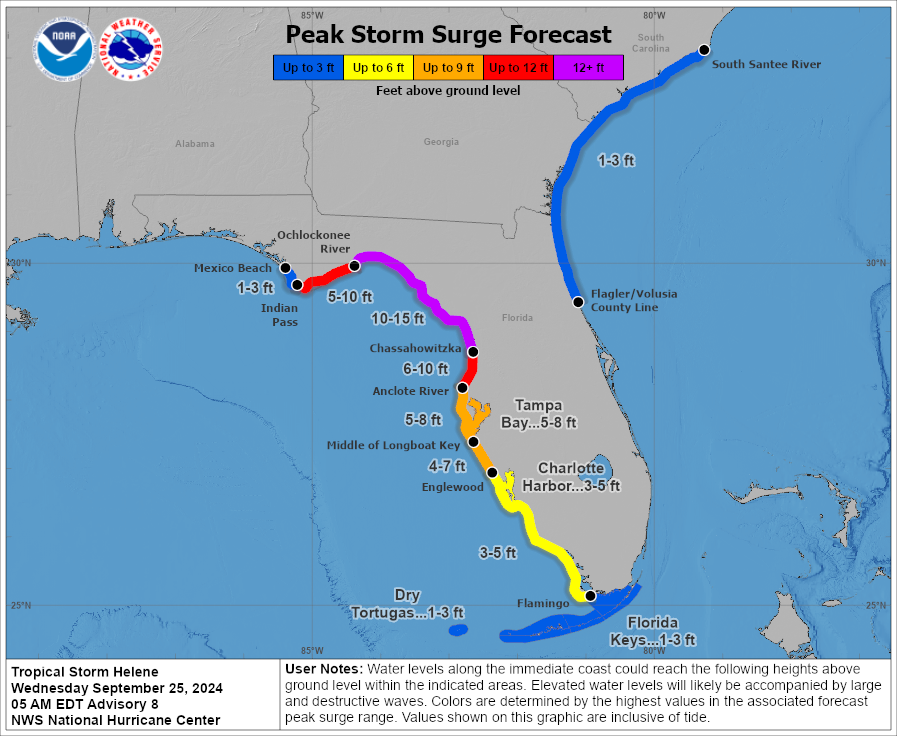
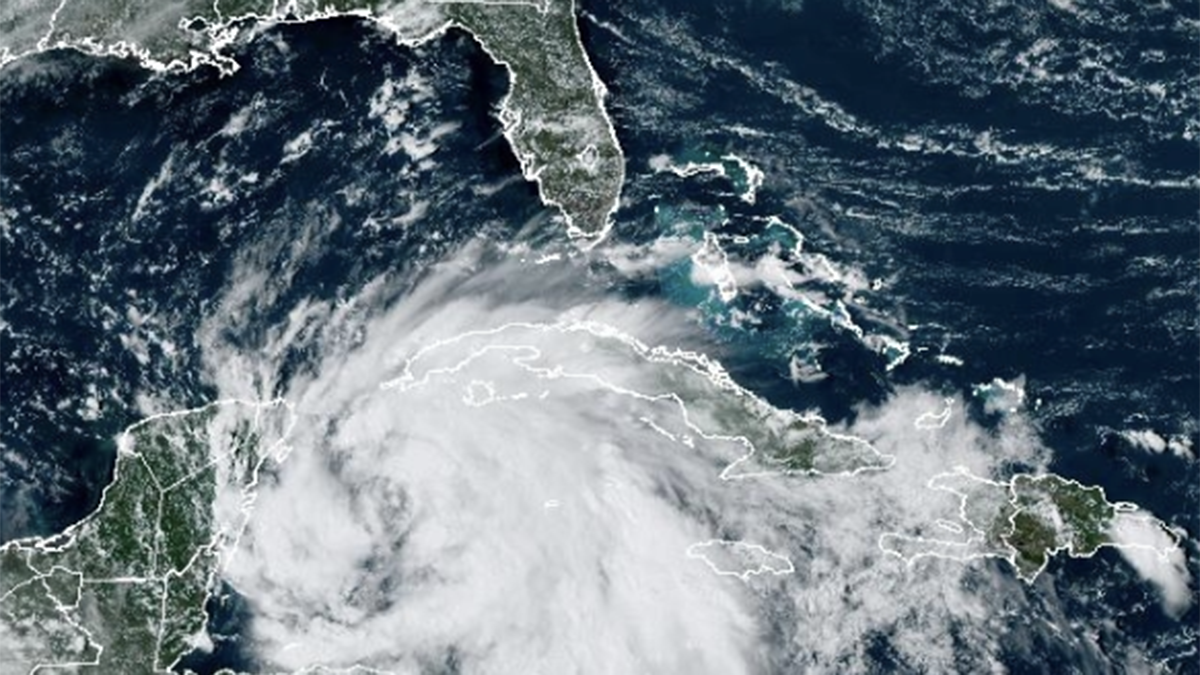
What are these amazing resources, you ask? Well, they come in many forms. First and foremost, stay informed! Your local National Weather Service (NWS) office is your best friend. They provide real-time updates, forecasts, and warnings. Sign up for alerts on your phone or computer – knowledge is power! Websites like the National Hurricane Center (NHC) are also invaluable. These services offer crucial details about the storm's track, intensity, and potential impact.
Next up, think about emergency supplies. You'll want a well-stocked emergency kit. This isn't just for hurricanes; it's a good idea to have one regardless. Include essentials like water (at least one gallon per person per day for several days), non-perishable food (canned goods, granola bars, etc.), a battery-powered or hand-crank radio, a flashlight, a first-aid kit, medications, a whistle to signal for help, and copies of important documents. Don't forget a manual can opener! This might seem basic, but you'll be incredibly grateful for it when you can't use electricity.
Beyond supplies, think about your evacuation plan. If you live in an area prone to flooding or storm surge, knowing evacuation routes and designated shelters is critical. Your local emergency management agency will have information on these locations. Familiarize yourself with these routes and practice your evacuation plan with your family. Knowing where to go and how to get there reduces stress and ensures you can evacuate safely if necessary.
Finally, remember the power of community. Check on your neighbors, especially those who may be elderly or have disabilities. Sharing information and resources can make a huge difference in helping everyone stay safe. After the storm, resources like FEMA (Federal Emergency Management Agency) and local charities can provide assistance with housing, food, and other needs. Be proactive in seeking out these resources if you've been affected.
So, there you have it! Emergency resources for Tropical Cyclone Helene (and similar storms) aren't just about surviving; they're about thriving. By staying informed, preparing a kit, having a plan, and supporting your community, you're empowering yourself to face whatever the weather throws your way. Stay safe and be prepared!