Ever wondered about materials that are tough and cushiony? It's like a superhero with a sensitive side! We're talking about materials that boast awesome tensile strength while also absorbing compressive shock. Sounds like something out of a comic book, right?
Strength Meets Squish
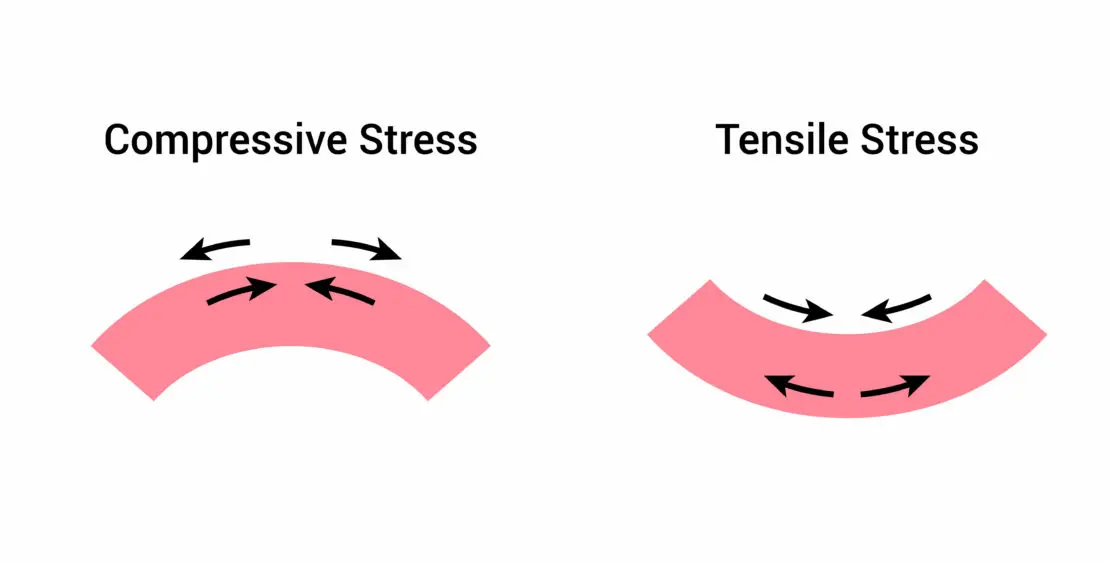
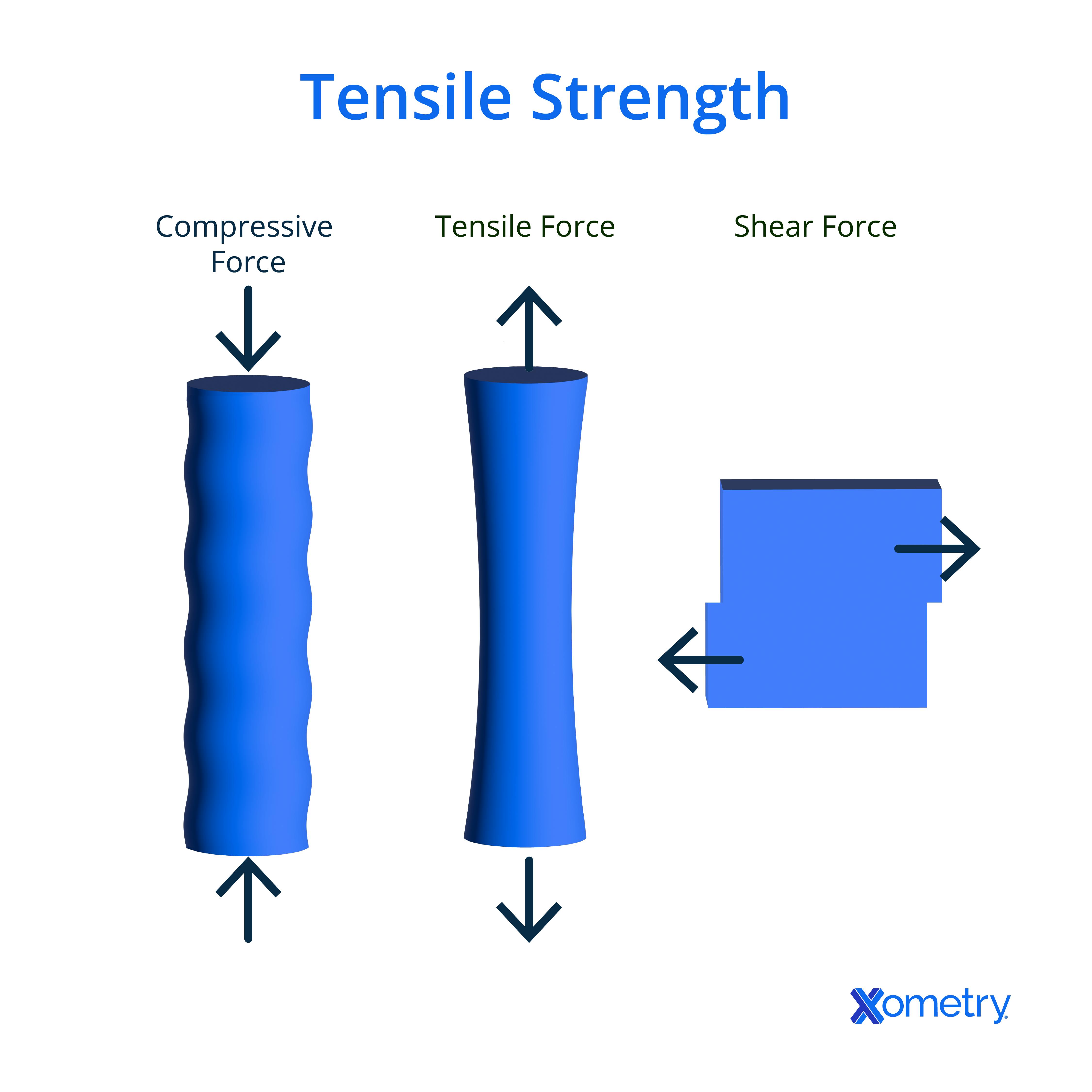
Think of tensile strength as the ability to resist being pulled apart. Imagine a tug-of-war rope. It needs tons of tensile strength to avoid snapping when everyone's pulling their hardest. Now, compressive shock is like the force when something gets squished or squeezed. Think about the impact of a hammer hitting a nail.
Normally, materials are good at one or the other. Something strong might be brittle and crack under pressure. And something squishy? Well, it probably won't hold up in a tug-of-war. That's what makes this dual-natured quality so special! It's like having your cake and eating it too.
This combination might seem like a crazy dream, but it's real! It exists in various forms, both natural and man-made. Nature's been doing it for ages!
Nature's Masterpieces
Believe it or not, your own body is a prime example! Bones have considerable tensile strength to withstand pulling forces from muscles. But they're also pretty good at absorbing compressive shock, protecting your delicate insides when you jump or land. Pretty cool, huh?
Then there's wood. Think about the trees swaying in the wind during a storm. They bend and flex, resisting being uprooted (tensile strength). But they also can withstand the impact of falling branches (compressive shock). Wood's cellular structure allows it to perform this amazing balancing act.
Even the shells of some sea creatures show off this combo. They need to be strong enough to resist predators (tensile strength) but also handle being tossed around by waves (compressive shock). Mother Nature's a clever designer!
Man-Made Marvels
Humans have been trying to replicate this natural wonder for ages. And we're getting pretty good at it! One excellent example is reinforced concrete. Concrete is strong under compression but weak under tension. So, we add steel bars (rebar) inside! The steel provides the tensile strength, while the concrete handles the compressive forces. Boom! You've got buildings and bridges that can withstand enormous forces.
Modern composite materials are also shining examples. Think about the materials used in airplanes. They need to be lightweight, strong, and able to handle the stresses of flight and landing. Composites like carbon fiber reinforced polymers are increasingly used for this. These materials blend a strong fiber (for tensile strength) with a resin matrix (to distribute force and absorb shock).
Even specialized foams and gels can do the trick. Think about the padding in sports equipment or the soles of running shoes. These materials are designed to absorb impact and protect the wearer from injury. They can deform under pressure but bounce back to their original shape.
Why Should You Care?
Well, for starters, it's just plain fascinating! The idea of a material that can be both tough and forgiving is incredibly intriguing. But it's also incredibly practical.
These materials are making our lives safer and more efficient. From protecting us in cars to building stronger buildings, they're all around us. Imagine a future with even more advanced materials with these properties. We could have lighter, stronger vehicles, more resilient infrastructure, and even better protection for athletes and soldiers.
"The possibilities are endless! These materials are key in innovation across industries. It is about finding the perfect balance." - A Materials Scientist
So, next time you see a sturdy building or a sleek sports car, take a moment to appreciate the amazing materials that make it all possible. You might just be looking at the future of engineering, a future where strength and squish live in perfect harmony!
Maybe this article has piqued your interest. Go explore! Look up "tensile strength materials" or "compressive shock absorption". You might find yourself down a fascinating rabbit hole. Who knows, you might even be inspired to become a materials scientist yourself!