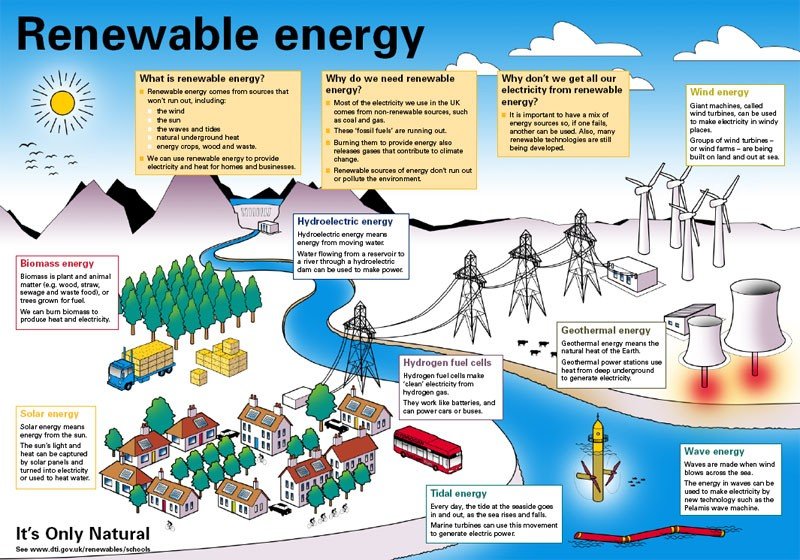
Let's face it, talking about energy can sound, well, a bit boring. But stick with me! Renewable energy – like solar, wind, and hydro – is a seriously hot topic, and understanding the pros and cons is super important for everyone. Why? Because it affects everything from the air we breathe to the prices we pay for, well, everything!
So, what’s the point of diving into this topic? For beginners, it’s about grasping the basics of where our power comes from and how we can make more sustainable choices. For families, it’s about saving money on electricity bills and teaching kids about environmental responsibility. And for hobbyists – maybe you're tinkering with a backyard solar panel – it’s about understanding the technology and its potential.
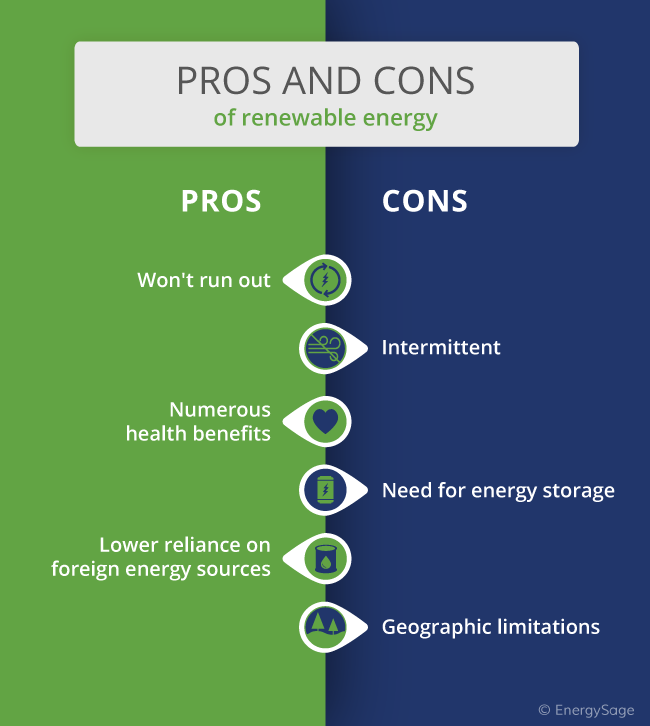
Let's start with the good stuff. The biggest pro of renewable energy is that it's, well, renewable! Unlike fossil fuels like coal and oil, which will eventually run out, sources like the sun and wind are constantly replenished. This means a more sustainable energy future. Renewable energy also produces far fewer greenhouse gas emissions than fossil fuels, which helps combat climate change. Plus, as technology improves, renewable energy is becoming increasingly cost-competitive, potentially saving you money in the long run.
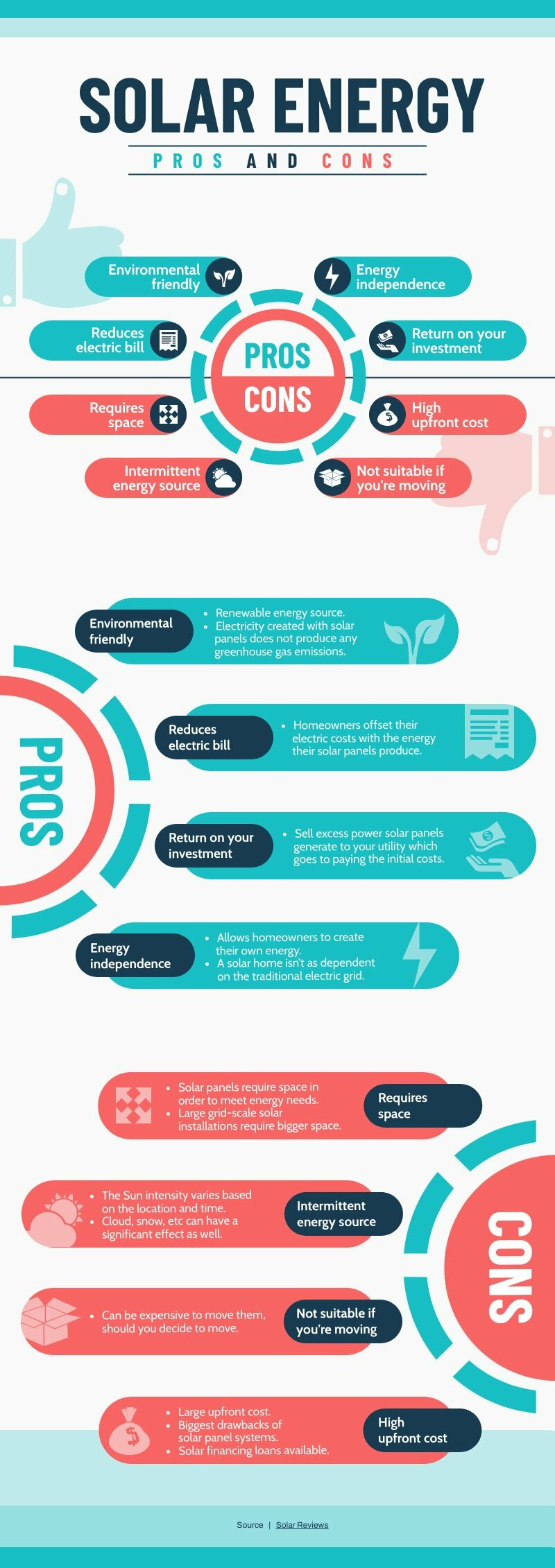
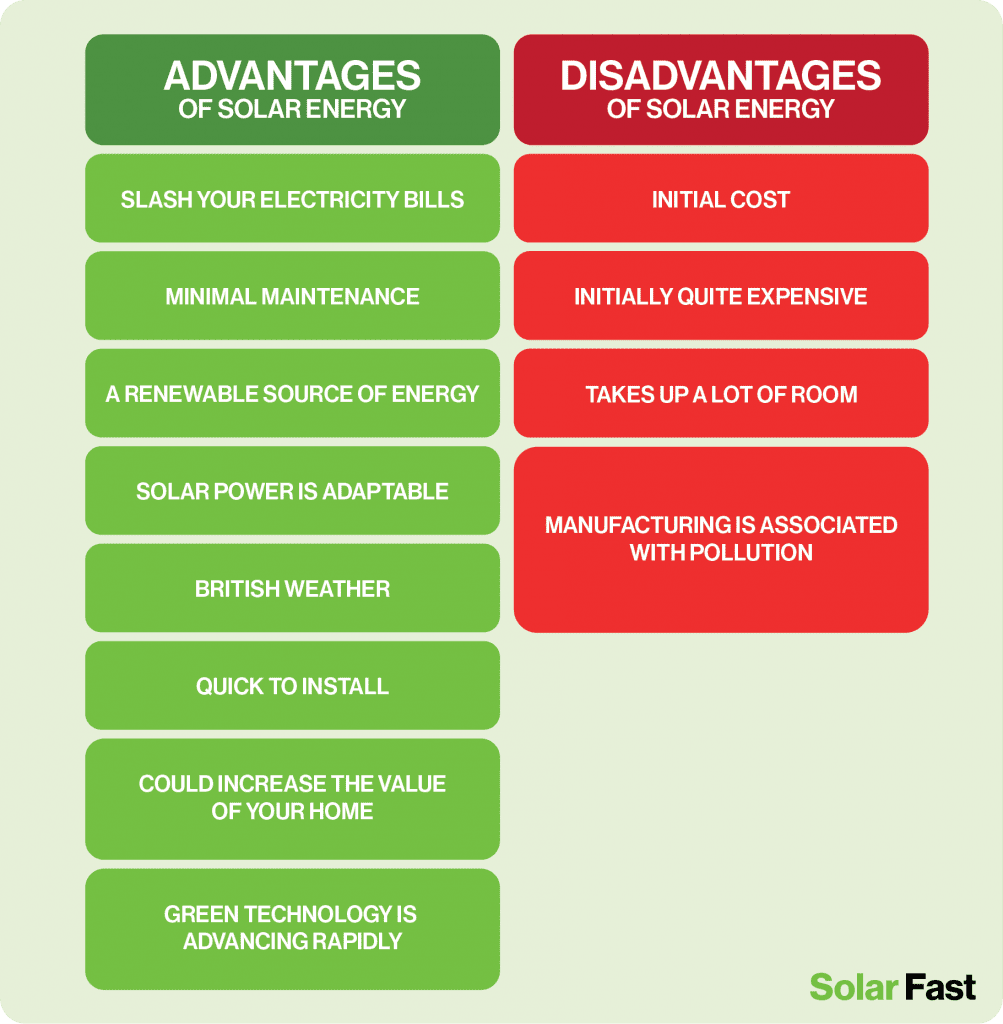
But it's not all sunshine and rainbows (pun intended!). One major con is that renewable energy sources can be intermittent. Solar power only works when the sun is shining, and wind power only works when the wind is blowing. This means we need ways to store energy, like batteries, or have backup sources of power available. Another challenge is that some renewable energy projects, like large wind farms or hydroelectric dams, can have environmental impacts on wildlife and habitats. Furthermore, setting up these systems can be expensive. The initial investment for solar panels, for instance, might be higher than sticking with traditional energy sources.
Think about solar power, for example. You could install solar panels on your roof to generate electricity. This reduces your reliance on the grid, lowers your electricity bill, and reduces your carbon footprint. But the amount of energy you generate depends on the weather and the size of your system. A variation is community solar, where you buy into a shared solar farm and receive credits on your electricity bill.
Want to get started exploring renewable energy? Here are a few simple tips: 1. Educate yourself! Read articles, watch documentaries, and learn about different renewable energy technologies. 2. Start small. Consider using energy-efficient light bulbs or appliances. 3. Explore renewable energy options in your community. Check if your local utility offers renewable energy programs or if there are community solar projects available. 4. Talk to experts. Consult with solar panel installers or energy consultants to learn about your options.
Exploring the world of renewable energy doesn't have to be a chore. It's a journey of discovery, empowering you to make informed choices that benefit both your wallet and the planet. By understanding the pros and cons, you can play an active role in shaping a cleaner, more sustainable energy future. And that's something to feel good about!